Hong Kong Activists Convicted of 'Subversion' for Mourning Tiananmen Square Massacre
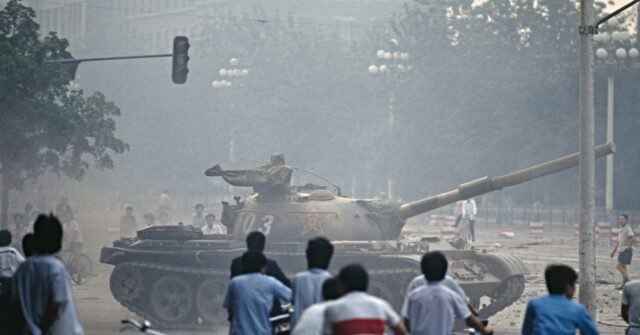
In a significant ruling, a Hong Kong court has convicted several pro-democracy activists for subversion related to their commemoration of the Tiananmen Square massacre. The verdict highlights the ongoing crackdown on dissent in the region amidst increasing political repression.
Hong Kong Activists Convicted of 'Subversion' for Mourning Tiananmen Square Massacre
In a landmark decision that underscores the deteriorating state of civil liberties in Hong Kong, a court has convicted a group of pro-democracy activists on charges of subversion. The charges stem from their participation in a vigil commemorating the Tiananmen Square massacre, a significant event in Chinese history that has been systematically suppressed by the authorities.
The activists, who were part of the Hong Kong Alliance in Support of Patriotic Democratic Movements of China, faced severe repercussions for their actions, which included organizing public gatherings and advocating for the remembrance of the tragic events of June 4, 1989. The court's ruling serves as a chilling reminder of the lengths to which the Hong Kong government is willing to go to stifle dissent and control the narrative surrounding sensitive historical events.
Background of the Tiananmen Square Massacre
The Tiananmen Square massacre, which occurred in 1989, saw the Chinese government violently suppress pro-democracy protests, leading to an unknown number of deaths. The event has remained a taboo subject in mainland China, with the government actively censoring discussions and commemorations. In Hong Kong, however, the vigil had been an annual event until recent crackdowns on dissent following the implementation of the National Security Law in 2020.
Details of the Conviction
The court found the activists guilty of subversion, a charge that has been increasingly used by authorities to target individuals and groups that challenge the government’s authority. The verdict is part of a broader strategy to dismantle the pro-democracy movement in Hong Kong, which has faced unprecedented pressure since the introduction of the National Security Law, which criminalizes acts deemed threatening to national security.
Among those convicted were prominent figures in the pro-democracy movement, who have long been vocal about their opposition to the Chinese Communist Party's policies. The prosecution argued that their actions were not merely acts of remembrance but rather attempts to incite unrest and undermine the authority of the state.
Reactions from the Community
The convictions have sparked outrage among pro-democracy supporters and human rights advocates, who view the ruling as a blatant violation of free speech and an attempt to erase historical memory. Many have expressed concerns that such legal actions will deter future activism and further entrench the culture of fear in Hong Kong.
“This verdict is a dark day for Hong Kong,” said a spokesperson for a local human rights organization. “It sends a clear message that any form of dissent will not be tolerated, and that the government will go to great lengths to silence those who dare to remember the past.”
International Response
The international community has also reacted strongly to the verdict, with several governments and human rights organizations calling for the immediate release of the activists and condemning the ongoing repression in Hong Kong. The United States, in particular, has criticized China’s actions, stating that they undermine the freedoms promised to Hong Kong under the Sino-British Joint Declaration.
As the situation in Hong Kong continues to evolve, the implications of this ruling will likely resonate beyond the region, raising critical questions about the future of democracy, human rights, and historical accountability in both Hong Kong and mainland China.
Conclusion
The conviction of these activists marks a significant escalation in the crackdown on dissent in Hong Kong, reflecting a broader trend of increasing authoritarianism in the region. As the government tightens its grip, the struggle for freedom and remembrance continues, with many activists vowing to keep the memory of the Tiananmen Square massacre alive, despite the risks involved.