Hong Kong Activist Faces Sentencing in Second National Security Case
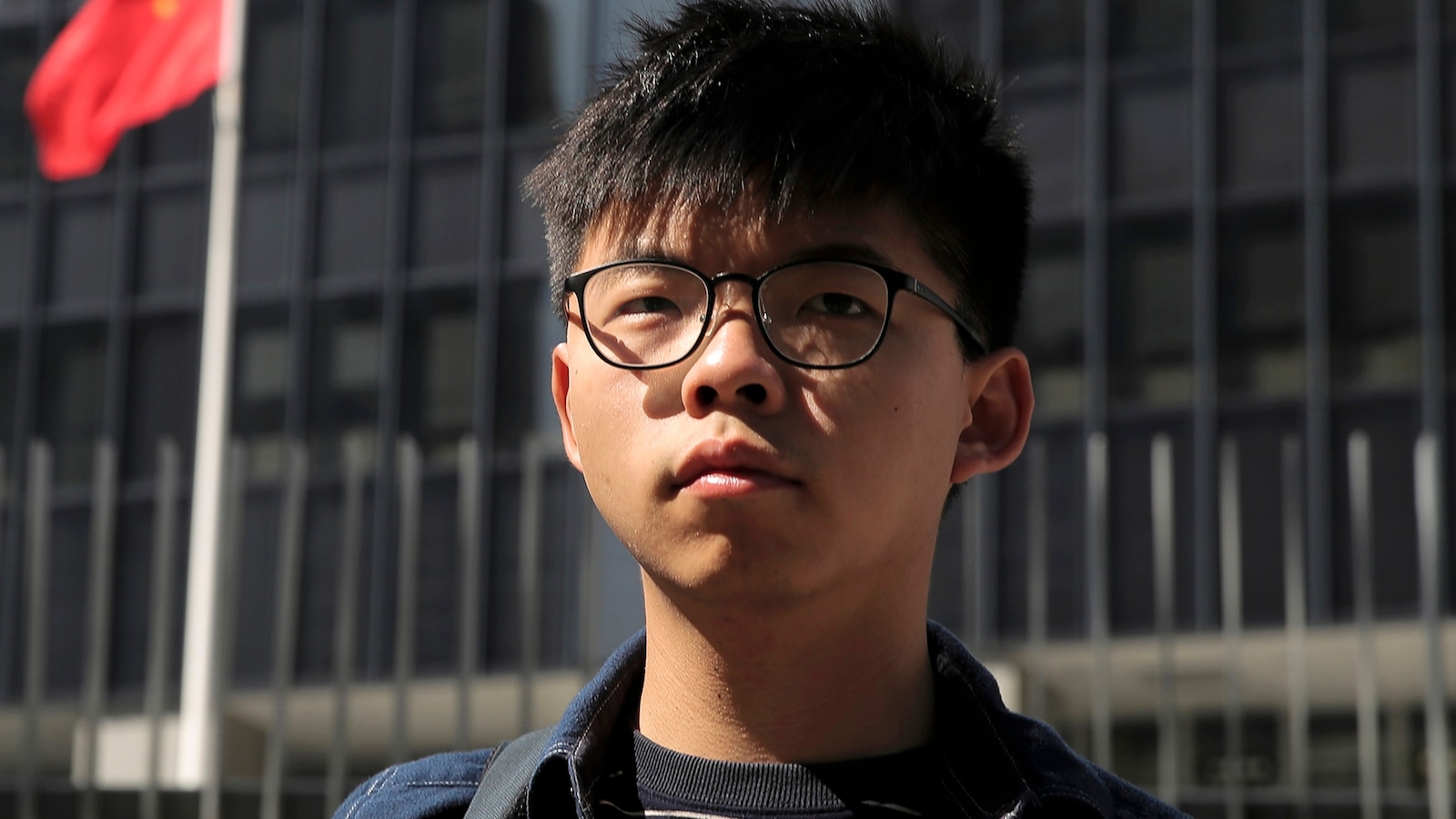
A prominent Hong Kong activist is set to be sentenced in September after being convicted in a national security case. This development highlights the ongoing crackdown on dissent in the region following the controversial national security law.
Hong Kong Activist Faces Sentencing in Second National Security Case
In a significant development for the pro-democracy movement in Hong Kong, a prominent activist is scheduled to be sentenced later this month in a case that underscores the ongoing crackdown on dissent in the region. The activist, whose identity is withheld for legal reasons, has been convicted under the controversial national security law that was imposed by Beijing in 2020.
The national security law has been widely criticized for its broad and vague provisions that have been used to stifle free speech and dissent in the semi-autonomous city. The law was introduced in response to the widespread protests that erupted in Hong Kong in 2019, which called for greater democratic freedoms and autonomy from mainland China.
According to reports, the activist was found guilty of charges related to inciting secession and collusion with foreign forces. The conviction is part of a broader trend in which numerous activists, politicians, and ordinary citizens have faced severe penalties for expressing opposition to the government or advocating for democracy.
As the sentencing date approaches, concerns are mounting about the implications for civil liberties in Hong Kong. Many observers fear that this case will set a precedent for future prosecutions of activists and dissenters, further chilling the already dwindling space for political expression in the city.
The activist's legal team has indicated plans to appeal the conviction, arguing that the national security law itself is unconstitutional and violates the rights guaranteed under the Sino-British Joint Declaration, which was supposed to ensure a high degree of autonomy for Hong Kong after its handover to China in 1997.
The international community has been closely monitoring the situation in Hong Kong, with several foreign governments expressing concern over the erosion of freedoms in the territory. The United States, the United Kingdom, and various human rights organizations have condemned the use of the national security law to suppress dissent and have called for the release of political prisoners.
In the wake of the law's implementation, many activists have fled Hong Kong, seeking refuge in other countries to continue their advocacy for democracy and human rights. Those who remain face increasing risks, as the government continues to crack down on any form of opposition.
The upcoming sentencing is expected to draw significant attention both locally and internationally, with many supporters of the activist planning to hold vigils and protests in solidarity. These events are likely to be met with a heavy police presence, as authorities have shown zero tolerance for public gatherings that could be perceived as dissent.
As Hong Kong continues to grapple with its identity and the balance between autonomy and control from Beijing, the fate of this activist will serve as a litmus test for the future of civil liberties in the city. The outcome of the sentencing could either galvanize the pro-democracy movement or further entrench the government's resolve to silence dissent.
In conclusion, the case of this activist represents not only a personal struggle but also a broader fight for the soul of Hong Kong. As the world watches, the implications of the sentencing will resonate far beyond the courtroom, impacting the lives of countless individuals who dare to speak out against oppression.