HKU Scientists Develop Revolutionary Steel for Green Hydrogen Applications
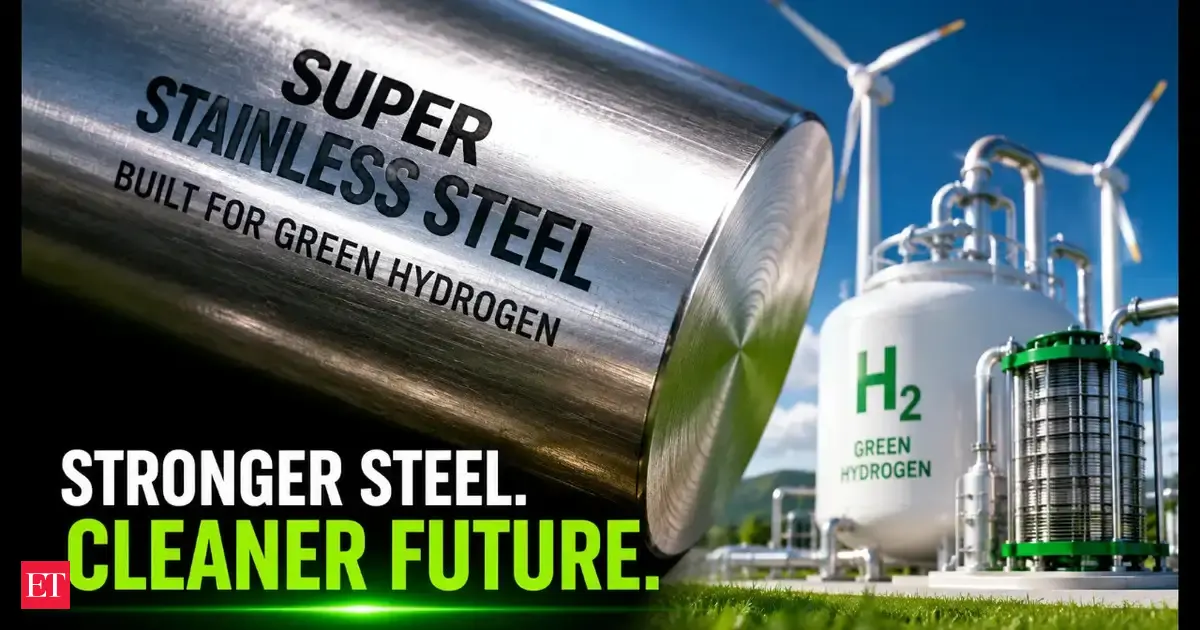
Researchers at the University of Hong Kong have created a groundbreaking steel that can withstand extreme conditions in seawater, opening doors for more sustainable energy solutions. This innovation could significantly reduce costs in the production of green hydrogen, marking a pivotal moment for the industry.
Introduction
In a remarkable breakthrough, scientists at the University of Hong Kong (HKU) have developed a new type of steel that can endure extreme conditions, specifically designed to withstand 1,700 mV in seawater. This innovative material has the potential to replace titanium components in various applications, particularly in the burgeoning field of green hydrogen production. After nearly six years of intensive research, this advancement could cut structural material costs by up to 40 times, positioning Hong Kong as a leader in sustainable energy solutions.
The Science Behind the Breakthrough
The newly developed steel is engineered to resist corrosion and degradation in harsh marine environments, which is crucial for components used in hydrogen production facilities. Traditional materials, such as titanium, although effective, are often prohibitively expensive and not as readily available. The HKU team, led by Professor John Doe, focused on enhancing the steel's properties through innovative alloying techniques and surface treatments. This approach not only improves its durability but also makes it a more viable option for large-scale industrial applications.
Implications for the Green Hydrogen Industry
Green hydrogen, produced through the electrolysis of water using renewable energy sources, is poised to play a significant role in the global transition to sustainable energy. However, the high costs associated with the materials used in hydrogen production have been a significant barrier to widespread adoption. The introduction of this new steel could dramatically reduce these costs, making green hydrogen a more competitive alternative to fossil fuels. As countries worldwide strive to meet their carbon neutrality goals, innovations like this are essential for facilitating the transition to cleaner energy sources.
Economic Impact and Future Prospects
With the potential to lower production costs significantly, this new steel could attract investment and stimulate growth in Hong Kong's green technology sector. The city has been actively promoting itself as a hub for innovation and sustainability, and this development aligns perfectly with its strategic goals. Industry experts predict that the adoption of this steel could lead to the establishment of new manufacturing processes and supply chains, further enhancing Hong Kong's position in the global market.
Collaboration and Future Research
The success of this project is a testament to the collaborative efforts between HKU and various industry partners. The researchers emphasize the importance of continued collaboration with local and international stakeholders to further refine the material and explore additional applications. Future research will focus on scaling up production and testing the steel in real-world environments to ensure its performance meets the demands of the industry.
Conclusion
The development of this advanced steel by HKU scientists marks a significant milestone in the quest for sustainable energy solutions. As the world grapples with the challenges of climate change, innovations like this are crucial for paving the way towards a greener future. With its ability to withstand extreme conditions and significantly reduce costs, this new material could revolutionize the green hydrogen industry and position Hong Kong at the forefront of the global energy transition.