HKU-Developed Eczema Product Offers Hope in Fight Against Superbugs
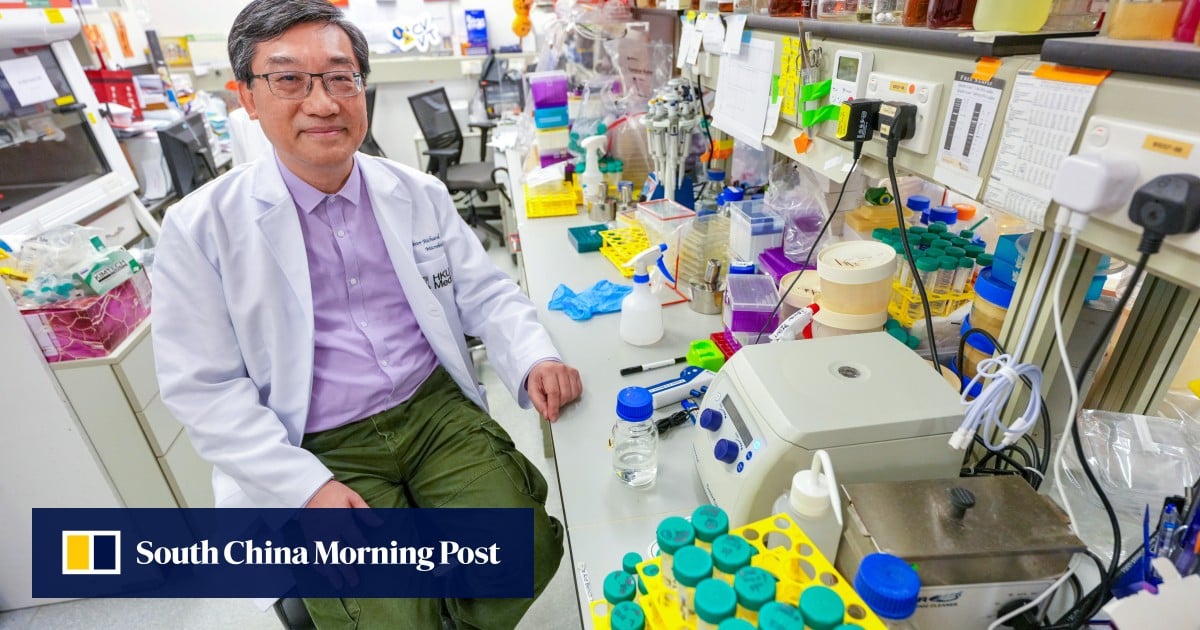
A groundbreaking eczema treatment developed by researchers at the University of Hong Kong shows promise not only in alleviating skin conditions but also in combating antibiotic-resistant superbugs. This innovative product could pave the way for new strategies in the ongoing battle against antimicrobial resistance.
Introduction to the Innovation
In a significant breakthrough, researchers at the University of Hong Kong (HKU) have developed a novel eczema treatment that could play a crucial role in the fight against antibiotic-resistant superbugs. This innovative product, which harnesses the power of natural compounds, aims to provide relief for eczema sufferers while simultaneously addressing a growing global health crisis.
The Superbug Crisis
Antimicrobial resistance (AMR) has emerged as one of the most pressing public health challenges of our time. According to the World Health Organization (WHO), AMR could lead to 10 million deaths annually by 2050 if left unchecked. Superbugs, which are bacteria that have developed resistance to multiple antibiotics, pose a significant threat to effective infection control and treatment.
HKU's Innovative Approach
The team at HKU has focused on developing a treatment that not only alleviates the symptoms of eczema but also has the potential to combat superbugs. The researchers have identified specific natural compounds that exhibit antimicrobial properties, making them effective against resistant strains of bacteria. This dual-action approach could revolutionize the way we treat skin conditions and infections.
Clinical Trials and Results
Preliminary clinical trials have shown promising results, with patients reporting significant improvements in their eczema symptoms. More importantly, laboratory tests have demonstrated that the product effectively inhibits the growth of several strains of antibiotic-resistant bacteria. These findings suggest that the product could serve as both a treatment for eczema and a preventive measure against infections.
Potential Impact on Public Health
The implications of this research extend beyond individual patient care. By addressing both eczema and the threat of superbugs, this HKU-developed product could contribute to broader public health efforts aimed at reducing the burden of antimicrobial resistance. Health experts are hopeful that such innovations will lead to more effective treatment options and improved patient outcomes.
Collaboration and Future Directions
The development of this eczema treatment is the result of collaborative efforts among researchers, dermatologists, and microbiologists at HKU. Moving forward, the team plans to conduct larger-scale trials to further validate the efficacy and safety of the product. Additionally, they are exploring partnerships with pharmaceutical companies to facilitate the product's commercialization and distribution.
Conclusion
The HKU-developed eczema treatment represents a significant advancement in the fight against both skin conditions and superbugs. As the global health community continues to grapple with the challenges posed by antimicrobial resistance, innovations like this offer a glimmer of hope. With further research and collaboration, this product could become a vital tool in safeguarding public health and improving the quality of life for millions of individuals suffering from eczema.