Growing Elderly Population in Hong Kong Urges Call for Better Support Systems
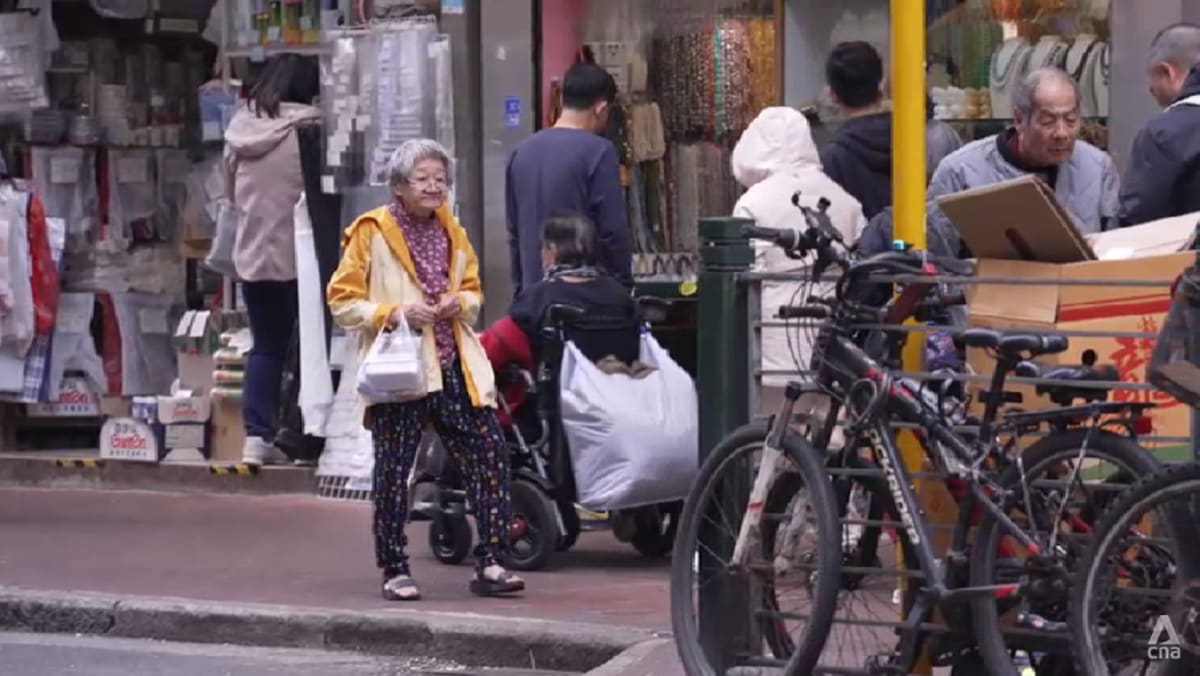
As Hong Kong's elderly population continues to rise, experts are calling for enhanced support systems to address the needs of those living alone. The increasing number of seniors without family support highlights the urgency for community initiatives and government intervention.
Introduction
Hong Kong is witnessing a significant demographic shift, with an increasing number of elderly individuals living alone. This trend has raised alarms among social workers and community leaders, who are urging the government to implement better support systems to cater to the needs of this vulnerable population.
The Growing Elderly Population
According to recent statistics, the number of elderly individuals in Hong Kong is projected to rise dramatically over the next few decades. By 2030, it is estimated that nearly one in three residents will be aged 65 or older. This demographic change poses challenges not only for the individuals themselves but also for the society at large, as it necessitates a reevaluation of existing healthcare, housing, and social support systems.
Living Alone: A Rising Trend
Currently, a significant portion of the elderly population in Hong Kong lives alone, often due to the loss of a spouse or children moving away for work or study. This situation can lead to feelings of isolation and loneliness, which are detrimental to mental and physical health. Social workers have noted that many seniors struggle with daily tasks and lack access to essential services, exacerbating their vulnerability.
Calls for Enhanced Support
In light of these challenges, community leaders and social advocates are calling for the Hong Kong government to step up its efforts in providing better support for the elderly. This includes increasing funding for community care services, expanding access to healthcare, and creating more opportunities for social engagement. Experts argue that a proactive approach is necessary to ensure that elderly residents can live with dignity and support.
Community Initiatives
Several non-governmental organizations (NGOs) are already working to address the needs of the elderly population. Initiatives such as home visits, meal delivery services, and social activities aim to combat loneliness and provide essential support. These programs not only help seniors maintain their independence but also foster a sense of community and belonging.
Government Response
In response to the growing concerns, the Hong Kong government has announced plans to allocate more resources to elderly care. However, many advocates believe that the measures proposed are still insufficient. They argue that a comprehensive strategy is needed, one that includes input from the elderly themselves to ensure that their voices are heard in the decision-making process.
Conclusion
The increasing number of elderly individuals living alone in Hong Kong highlights a pressing social issue that requires immediate attention. As the city grapples with its aging population, it is crucial for both the government and the community to work together to create a supportive environment for seniors. By enhancing support systems and fostering community engagement, Hong Kong can ensure that its elderly residents live fulfilling and dignified lives.