Government Budget Reveal: A Strategic Shift Towards Economic Matchmaking
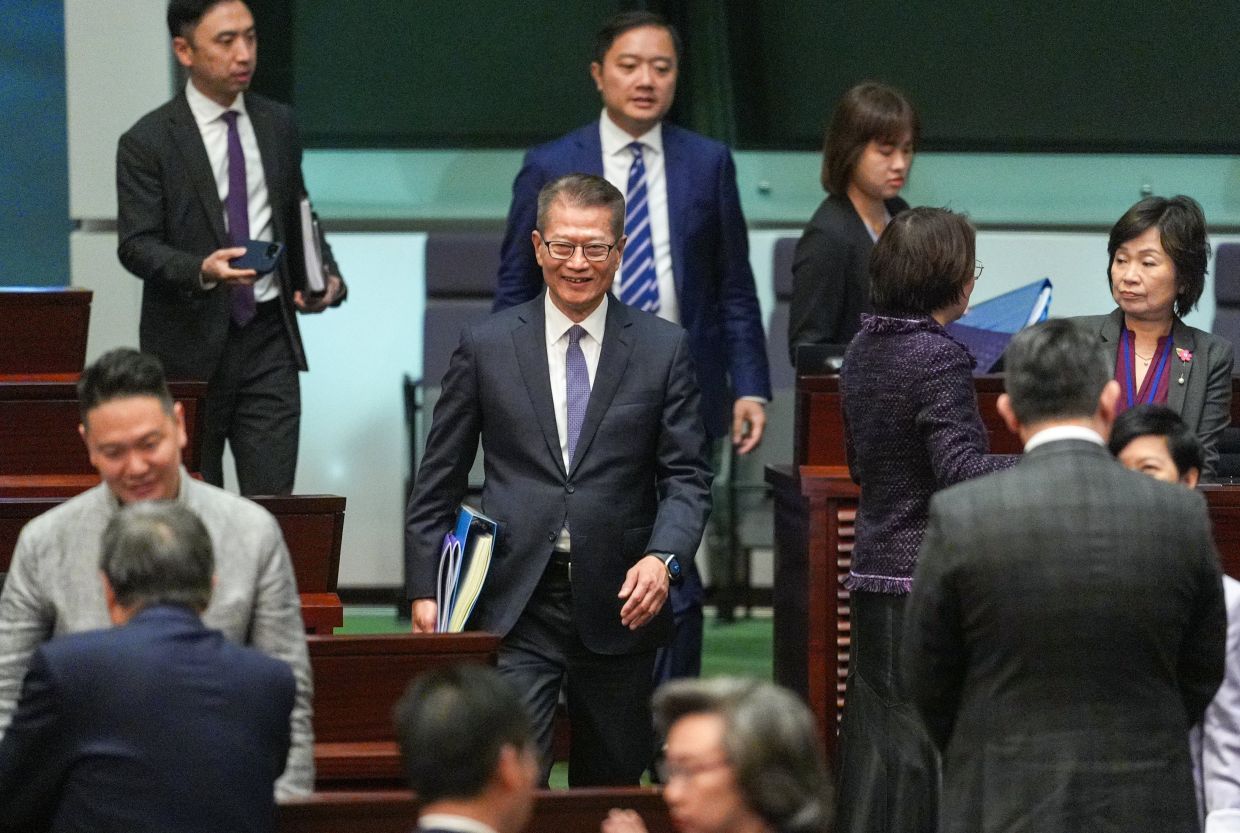
The latest government budget outlines a strategic approach to economic management, positioning the state as a key player in shaping market dynamics. This shift aims to foster growth and innovation while addressing pressing economic challenges.
Introduction
The recent unveiling of the government budget has marked a significant turning point in economic policy, with officials adopting a more proactive role in shaping the economic landscape. Dubbed as a 'matchmaker' for the economy, the government is set to implement measures that not only stimulate growth but also align various sectors towards a cohesive economic strategy.
Key Highlights of the Budget
In the budget announcement, the government emphasized its commitment to fostering innovation and supporting small and medium enterprises (SMEs). A substantial portion of the budget is allocated to technology and digital transformation initiatives, reflecting a recognition of the need for modernization in an increasingly competitive global market.
Additionally, the government has introduced tax incentives aimed at encouraging private sector investment in key industries, including green technology and renewable energy. These measures are designed to not only boost economic activity but also address environmental concerns, aligning economic growth with sustainability goals.
Government as a Matchmaker
The concept of the government acting as a 'matchmaker' stems from its new approach to economic management. By taking a more hands-on role, the government aims to facilitate partnerships between businesses, educational institutions, and research organizations. This collaborative framework is intended to drive innovation and ensure that the workforce is equipped with the necessary skills to thrive in a rapidly changing economy.
One of the standout initiatives is the establishment of innovation hubs, which will serve as incubators for startups and emerging technologies. These hubs will provide resources, mentorship, and access to funding, thereby creating a nurturing environment for budding entrepreneurs. The government hopes that by fostering such ecosystems, it can stimulate job creation and enhance the overall economic landscape.
Addressing Economic Challenges
The budget also addresses pressing economic challenges, such as rising unemployment rates and income inequality. By prioritizing job creation and skills development, the government aims to provide pathways for individuals to enter the workforce and contribute to economic growth.
Furthermore, the budget outlines plans for targeted support for sectors hardest hit by the pandemic, including tourism and hospitality. By providing financial assistance and incentives for recovery, the government seeks to revitalize these industries and restore consumer confidence.
Public Response and Future Outlook
The public response to the budget has been mixed, with some praising the government's proactive stance while others express concerns about the feasibility of the proposed initiatives. Critics argue that while the intentions are commendable, the execution will be crucial in determining the success of these measures.
Looking ahead, the government's commitment to economic matchmaking could redefine the relationship between the state and the market. By positioning itself as a facilitator of growth rather than a mere regulator, the government is setting the stage for a more dynamic and resilient economy.
Conclusion
As the government embarks on this ambitious journey of economic matchmaking, the focus will be on collaboration, innovation, and sustainability. The success of these initiatives will depend on the government's ability to engage with various stakeholders and adapt to the evolving economic landscape. Only time will tell if this strategic shift will yield the desired outcomes, but the budget reveals a clear intent to reshape the future of the economy.