Global Stock Markets Plummet as West Asia Conflict Escalates
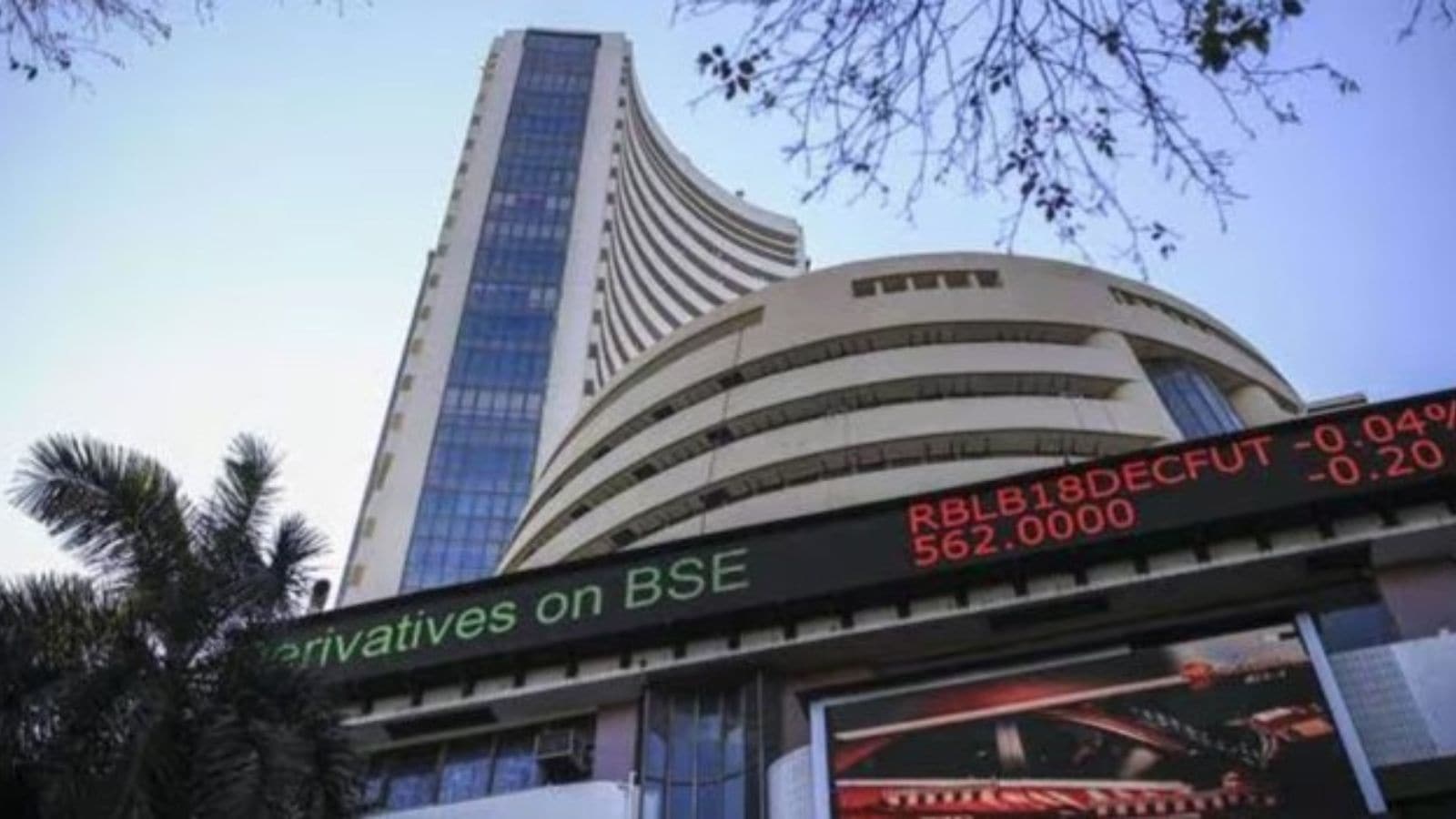
Global stock markets have experienced a significant downturn, with a 1% drop at the opening of trading as the conflict in West Asia enters its fifth week. Investors are increasingly concerned about the economic implications of the ongoing war, prompting a wave of sell-offs across major indices.
Market Overview
Global stock markets opened lower today, with major indices falling by approximately 1% as the conflict in West Asia intensifies, now entering its fifth week. Investors are reacting to the rising geopolitical tensions and the potential economic fallout, leading to a wave of sell-offs across various sectors.
Investor Sentiment Deteriorates
The ongoing war in West Asia has raised significant concerns among investors regarding stability in the region and its impact on global oil prices. As the conflict escalates, fears of supply disruptions have led to increased volatility in energy markets, further exacerbating investor anxiety. Analysts suggest that the uncertainty surrounding the situation is causing many to adopt a risk-averse stance, prompting a retreat from equities.
Sector-Specific Impacts
Energy stocks have been particularly affected as crude oil prices surged in response to the conflict. While some investors may find opportunities in the energy sector, the overall sentiment remains bearish as many are wary of the long-term implications of sustained high oil prices on global economic growth. Additionally, sectors such as travel and leisure have also suffered, as heightened tensions typically lead to reduced consumer spending and travel restrictions.
Global Indices Reflect Concerns
In Asia, major stock indices opened lower, with Japan's Nikkei 225 and Hong Kong's Hang Seng Index both experiencing declines. The downward trend continued in European markets, where futures indicated a negative opening. Wall Street is also expected to follow suit, with futures pointing to a lower open as investors brace for another day of market turbulence.
Expert Opinions
Market analysts are divided on the potential recovery of stock markets in the short term. Some experts believe that the current sell-off could present buying opportunities, particularly in sectors that have been oversold. However, others caution that the geopolitical risks associated with the West Asia conflict could persist, keeping markets on edge. “Until there is a clear resolution or de-escalation of tensions, we could see continued volatility,” noted one financial analyst.
Long-Term Economic Implications
The conflict's impact on global supply chains and inflationary pressures is another area of concern for economists. As countries grapple with rising costs, the potential for a slowdown in economic growth looms large. Central banks, particularly in the United States and Europe, may need to reconsider their monetary policies in response to these developments, which could further influence market dynamics.
Conclusion
As the situation in West Asia continues to unfold, the implications for global markets remain uncertain. Investors are advised to stay informed and consider the potential risks associated with their portfolios. The coming weeks will be critical in determining whether markets can stabilize or if further declines are on the horizon. With geopolitical tensions at an all-time high, the focus will remain on how these events shape economic forecasts and investor behavior in the months to come.