Global Law Enforcement's Use of Webloc Raises Privacy Concerns
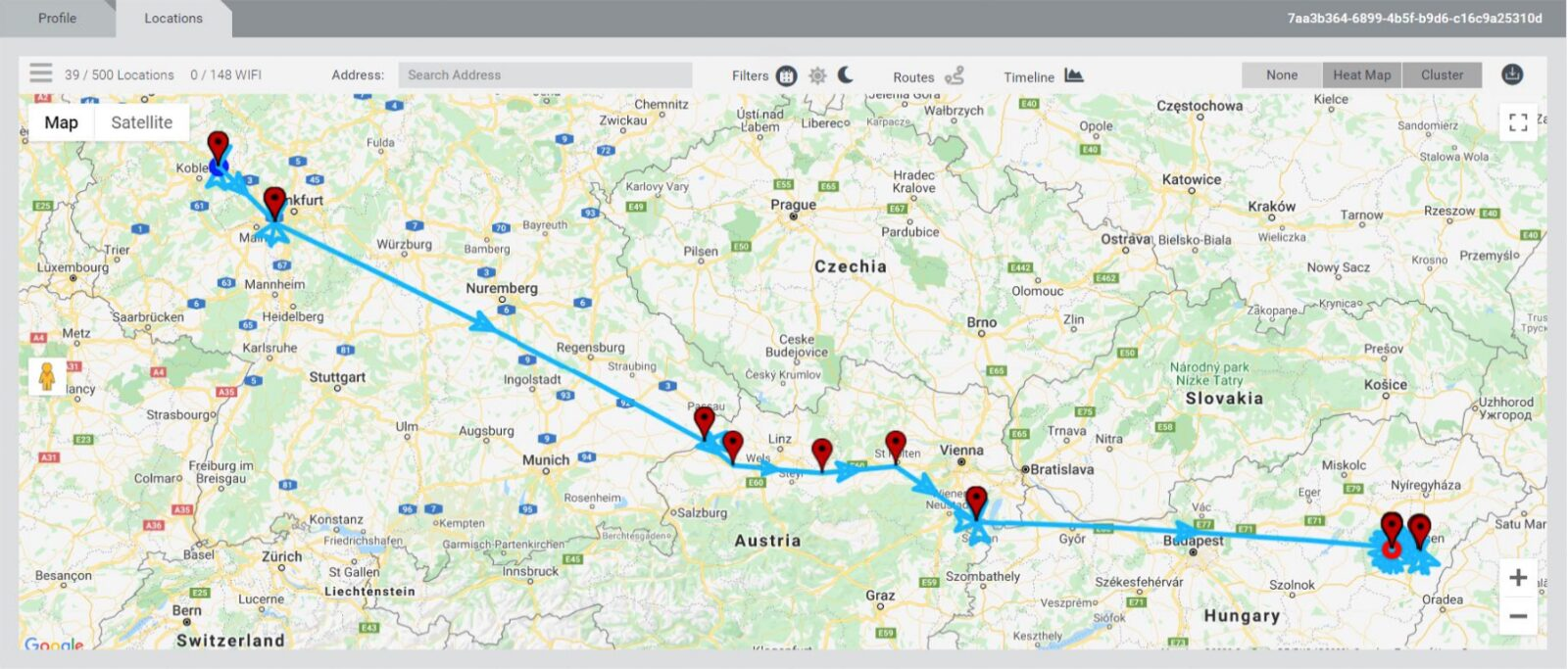
A recent report reveals that Webloc has tracked over 500 million devices worldwide for law enforcement purposes. The implications for privacy and surveillance are significant, sparking debate among privacy advocates and legal experts.
Introduction
In a startling revelation, a report from Citizen Lab has uncovered that Webloc, a data tracking company, has monitored over 500 million devices globally for law enforcement agencies. This extensive surveillance raises pressing questions about privacy, consent, and the ethical implications of such practices.
The Scale of Webloc's Tracking
Webloc's tracking capabilities have been described as unprecedented, with the company reportedly providing law enforcement agencies access to vast amounts of data on individuals' locations and online activities. This data can be instrumental in criminal investigations, but the sheer scale of tracking poses significant risks to personal privacy. The report highlights how this data can be used not only for legitimate law enforcement purposes but also for potential overreach and abuse.
Privacy Concerns
Privacy advocates are sounding the alarm over the implications of such widespread surveillance. The ability to track millions of devices raises fundamental questions about individual rights and the balance between security and privacy. Critics argue that the lack of transparency surrounding how this data is collected and used is deeply troubling. Many users are unaware that their movements and online behavior are being monitored, often without their explicit consent.
The Legal Landscape
The legal framework governing digital surveillance varies significantly across countries, complicating the issue further. In some jurisdictions, stringent laws protect personal data and privacy rights, while in others, surveillance practices may be more permissive. The report from Citizen Lab emphasizes the need for a cohesive international approach to privacy laws, especially as technology continues to evolve and surveillance capabilities expand.
Calls for Regulation
In light of these findings, there are growing calls for stricter regulations governing the use of tracking technologies by law enforcement. Advocates argue that without robust oversight, the potential for abuse is high. They urge lawmakers to establish clear guidelines on how data can be collected, stored, and used, as well as to ensure that individuals have the right to know when they are being tracked.
The Role of Technology Companies
Technology companies also have a critical role to play in addressing these concerns. As providers of the platforms and tools that enable tracking, they must prioritize user privacy and implement measures to protect personal data. Transparency in data practices and user consent should be at the forefront of their policies. Many tech companies are already facing scrutiny over their data collection practices, and this report may further intensify the pressure for reform.
Conclusion
The findings from Citizen Lab regarding Webloc's tracking of 500 million devices serve as a wake-up call for individuals, lawmakers, and technology companies alike. As the line between security and privacy continues to blur, it is crucial to engage in a broader conversation about the ethical implications of surveillance and the need for comprehensive regulations to protect individual rights in the digital age. The balance between safety and privacy will be a defining issue in the years to come, and proactive measures must be taken to ensure that technology serves the public good without compromising fundamental freedoms.