Geopolitical Missteps: The West's Role in China's Ascendancy
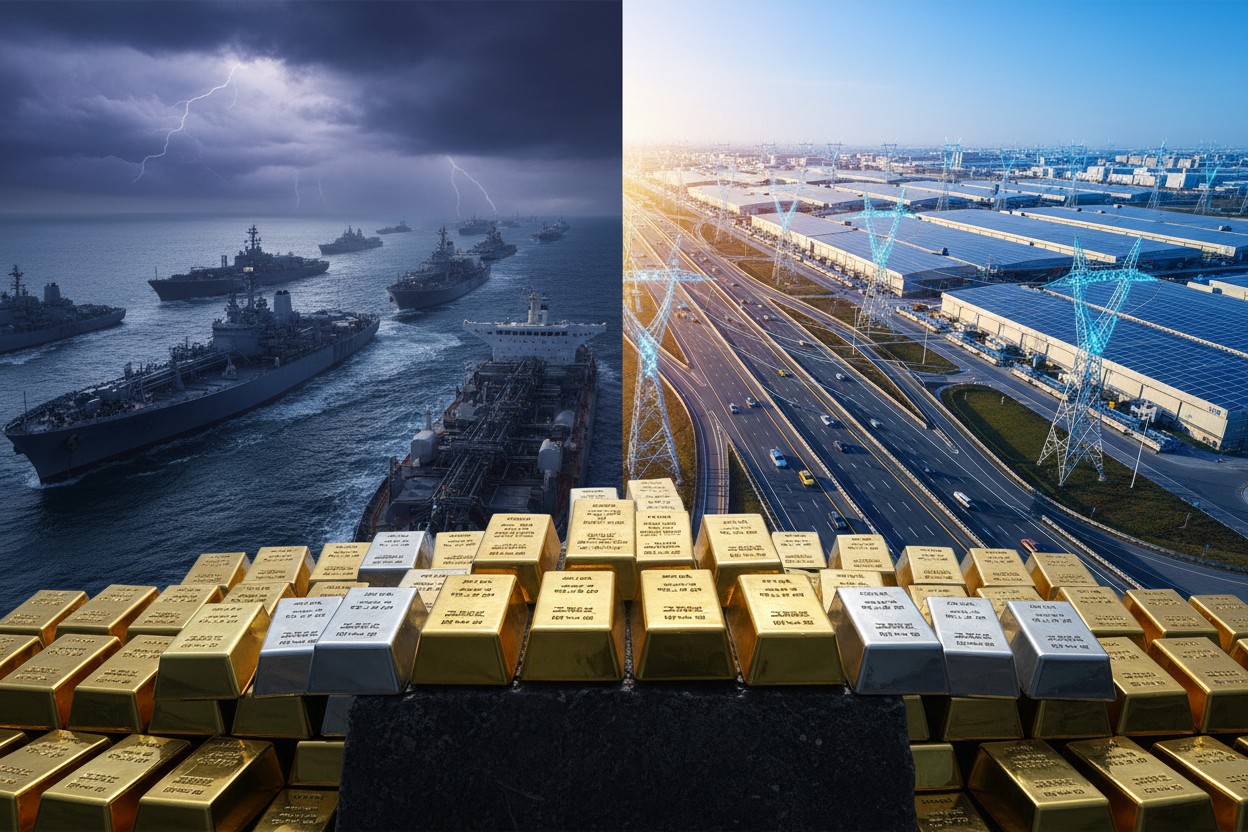
The West's geopolitical blunders are inadvertently paving the way for China's rise on the global stage. This report explores how these miscalculations are reshaping international relations and empowering China.
Introduction
In recent years, the geopolitical landscape has undergone significant transformations, with China emerging as a formidable global power. Analysts argue that the West's missteps and strategic blunders have inadvertently accelerated China's rise, reshaping the dynamics of international relations.
Understanding China's Ascendancy
China's ascent can be attributed to a combination of its economic prowess, strategic initiatives, and the West's failure to effectively counter its influence. As the world's second-largest economy, China has leveraged its economic strength to expand its global reach through initiatives like the Belt and Road Initiative (BRI), which aims to enhance trade and infrastructure connectivity across Asia, Europe, and Africa.
The Role of Western Geopolitical Strategies
Western countries, particularly the United States, have historically viewed China through a lens of suspicion and competition. However, this perspective has led to a series of geopolitical blunders. For instance, the U.S.-China trade war, initiated under the Trump administration, aimed to curb China's economic growth but instead galvanized Chinese nationalism and innovation. Rather than weakening China, these measures have often united the country in its pursuit of self-reliance and technological advancement.
Miscalculations in Diplomacy
Diplomatic strategies employed by Western nations have also contributed to China's rise. The West's focus on promoting democratic values and human rights has often backfired, alienating potential allies in the region. For example, the U.S. support for Taiwan and its stance on Hong Kong have strained relations with Beijing, pushing China to adopt a more assertive foreign policy.
China's Strategic Partnerships
In response to perceived threats from the West, China has sought to strengthen its ties with other nations. The formation of strategic partnerships with countries like Russia, Iran, and various nations in Africa and Latin America has bolstered China's position on the global stage. These alliances not only provide China with economic opportunities but also create a counterbalance to Western influence.
Technological Advancements and Innovation
China's focus on technological innovation has been a key driver of its rise. The government's investment in research and development, coupled with a robust manufacturing sector, has positioned China as a leader in various technological fields, including artificial intelligence and telecommunications. The West's inability to effectively compete in these areas has further solidified China's status as a global powerhouse.
Conclusion: A New World Order?
The West's geopolitical blunders have not only accelerated China's rise but have also contributed to a shifting world order. As China continues to assert its influence, the need for a reevaluation of Western strategies becomes increasingly evident. Understanding the complexities of this evolving landscape is crucial for policymakers aiming to navigate the challenges posed by a rising China.
Looking Ahead
As the international community grapples with the implications of China's ascent, it is essential to foster dialogue and cooperation rather than confrontation. The future of global stability may hinge on the ability of Western nations to adapt their strategies and engage constructively with China, recognizing the interconnectedness of today's world.