Former Hong Kong Media Tycoon Sentenced to Decades in Prison
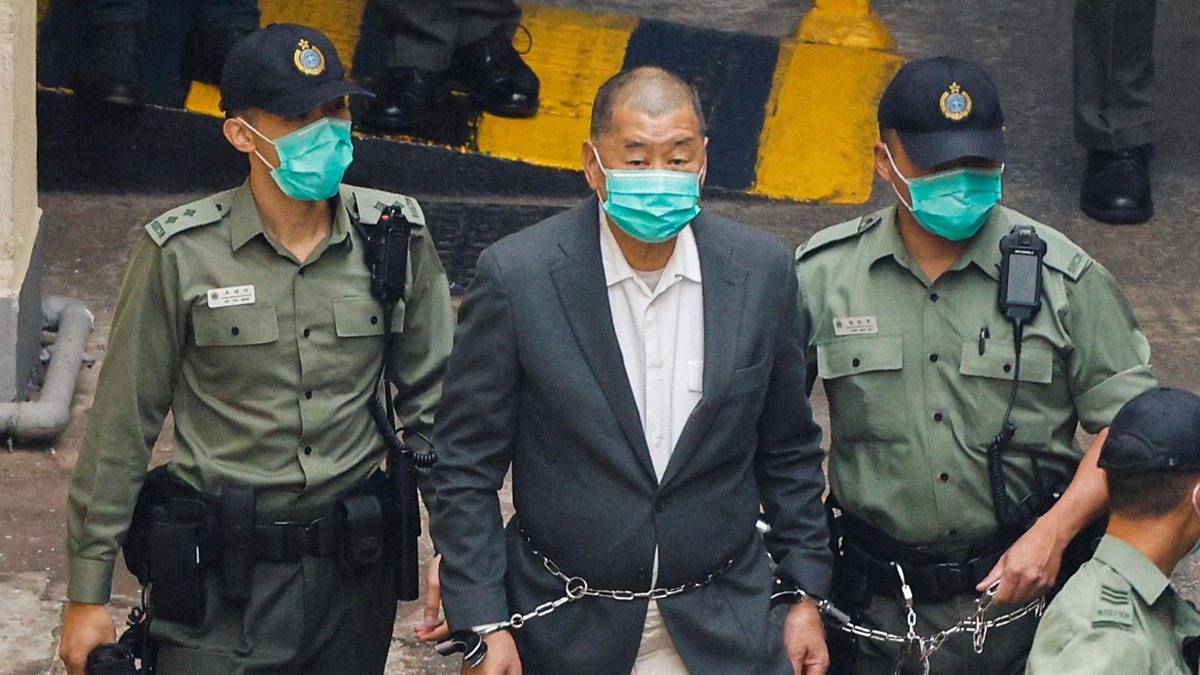
A prominent media figure in Hong Kong has been sentenced to 11 years in prison for his role in a high-profile corruption case. The sentencing marks a significant moment in the ongoing scrutiny of media freedom and governance in the region.
Introduction
In a landmark ruling that underscores the ongoing tensions surrounding media freedom in Hong Kong, former media tycoon Jimmy Lai has been sentenced to 11 years in prison for corruption and collusion with foreign forces. Lai, the founder of the now-defunct Apple Daily newspaper, has been a vocal critic of the Chinese government and a prominent figure in the pro-democracy movement.
The Sentencing
The sentencing took place on [insert date], with the judge highlighting the severity of Lai's actions and their implications for national security. Prosecutors argued that Lai's activities not only undermined the stability of Hong Kong but also posed a direct threat to the sovereignty of China. Lai was found guilty of soliciting foreign interference in Hong Kong's affairs, a charge that has been increasingly used by authorities to stifle dissent.
Background on Jimmy Lai
Jimmy Lai, a self-made billionaire, founded Apple Daily in 1997, which quickly became known for its fearless reporting and criticism of the government. Under Lai’s leadership, the newspaper gained a reputation for its investigative journalism, often exposing corruption and abuse of power. However, as Beijing tightened its grip on Hong Kong, Lai became a target for authorities, culminating in his arrest in 2020 under the controversial National Security Law.
Impact on Media Freedom
The sentencing of Lai has sent shockwaves through the media landscape in Hong Kong, raising concerns about the future of press freedom in the region. Many journalists and media organizations fear that this ruling sets a dangerous precedent, effectively criminalizing dissenting voices and independent journalism. In the wake of Lai's arrest and the subsequent closure of Apple Daily in June 2021, numerous other media outlets have faced increased pressure, leading to self-censorship and a chilling effect on reporting.
International Reactions
The international community has reacted strongly to Lai's sentencing, with numerous human rights organizations condemning the ruling as politically motivated. The United States, in particular, has criticized the Hong Kong government and called for Lai's immediate release, emphasizing the importance of free speech and a free press as fundamental human rights. The European Union has also expressed concern, urging Hong Kong authorities to uphold their commitments to media freedom.
Future Outlook
As the dust settles on this high-profile case, the implications for Hong Kong's media landscape remain uncertain. Observers note that the ruling could lead to further crackdowns on journalists and media organizations that dare to challenge the government. With the National Security Law continuing to be wielded against dissenters, many fear that the vibrant press that once characterized Hong Kong is fading into a distant memory.
Conclusion
Jimmy Lai's sentencing is not just a personal tragedy for the media tycoon but a significant blow to the principles of democracy and freedom of expression in Hong Kong. As the region continues to navigate its complex relationship with Beijing, the future of independent journalism hangs in the balance, leaving many to wonder what lies ahead for the once-thriving media hub.