Former Hong Kong Journalist Leader Sentenced to Prison for Obstructing Police
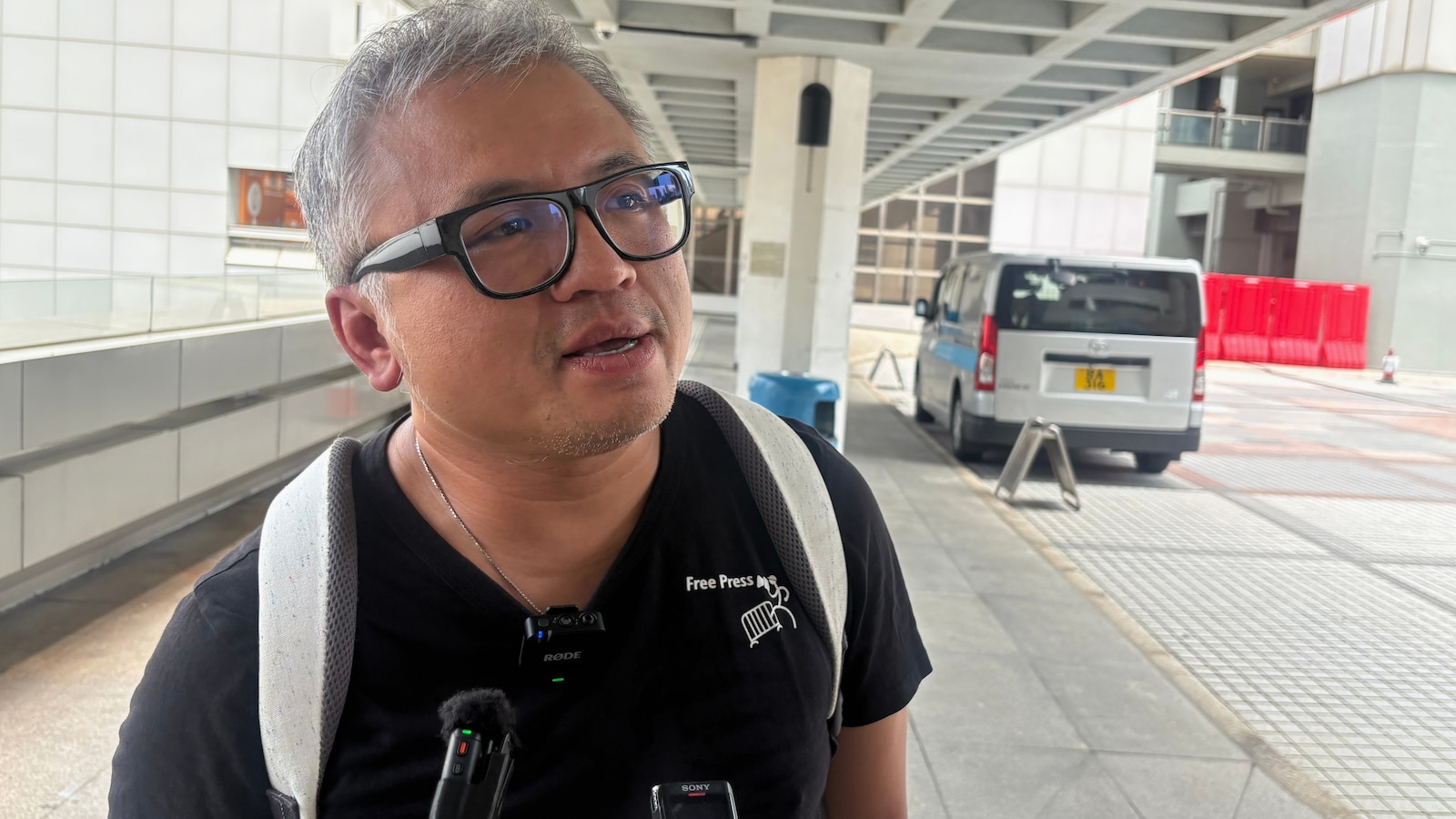
Ronson Chan, the former leader of a prominent journalist group in Hong Kong, has been sentenced to prison after being convicted of obstructing police officers. This case highlights ongoing tensions between media professionals and law enforcement in the region.
Introduction
In a significant legal development, Ronson Chan, the former leader of the Hong Kong Journalists Association (HKJA), has been sentenced to prison following his conviction for obstructing police officers during a public event. This case has drawn attention to the precarious state of press freedom in Hong Kong, where journalists often find themselves at odds with law enforcement amid increasing governmental scrutiny.
Details of the Case
Chan was sentenced to a total of 20 days in prison after being found guilty of obstructing police officers during a protest in 2021. The incident occurred when Chan attempted to report on a police operation, which the authorities claimed interfered with their duties. The conviction has sparked outrage among media advocates, who argue that it sets a dangerous precedent for press freedom in the region.
Reactions from the Media Community
The sentencing has been met with widespread condemnation from various journalist organizations and human rights groups. The HKJA issued a statement expressing deep concern over the implications of Chan's conviction, stating that it undermines the role of journalists in holding power to account. They emphasized that the ability to report freely is essential for a healthy democracy and that such actions against journalists could lead to self-censorship among media professionals.
Government's Stance
The Hong Kong government has defended the police's actions, asserting that law enforcement must be able to operate without interference. Officials have argued that the rule of law must be upheld, and those who obstruct police operations will face consequences. This stance, however, has been criticized for potentially stifling journalistic endeavors and limiting the public's right to information.
International Implications
The case has garnered international attention, with calls from various global organizations for the Hong Kong government to respect press freedoms. The Committee to Protect Journalists (CPJ) and Reporters Without Borders (RSF) have both condemned the conviction, urging authorities to drop charges against journalists and to create an environment where the media can operate freely. The situation in Hong Kong is increasingly viewed as a litmus test for press freedoms in the region, particularly in light of China's broader crackdown on dissent.
Broader Context of Press Freedom in Hong Kong
Since the implementation of the National Security Law in 2020, many journalists in Hong Kong have faced increasing challenges, including arrests, intimidation, and legal actions. The law has been criticized for its vague definitions and broad scope, which many believe are used to suppress dissent and limit press freedoms. Chan's case is just one of many that highlight the precarious position of journalists in Hong Kong, where the media landscape has changed dramatically in recent years.
Conclusion
Ronson Chan's conviction and subsequent sentencing serve as a stark reminder of the ongoing struggles faced by journalists in Hong Kong. As the media community rallies around Chan, the case underscores the urgent need for protections for press freedom in the region. With tensions between the government and media continuing to escalate, the future of journalism in Hong Kong remains uncertain, raising critical questions about the role of the press in a democratic society.