Final Arguments Presented in Trial of Former Tiananmen Vigil Organizers
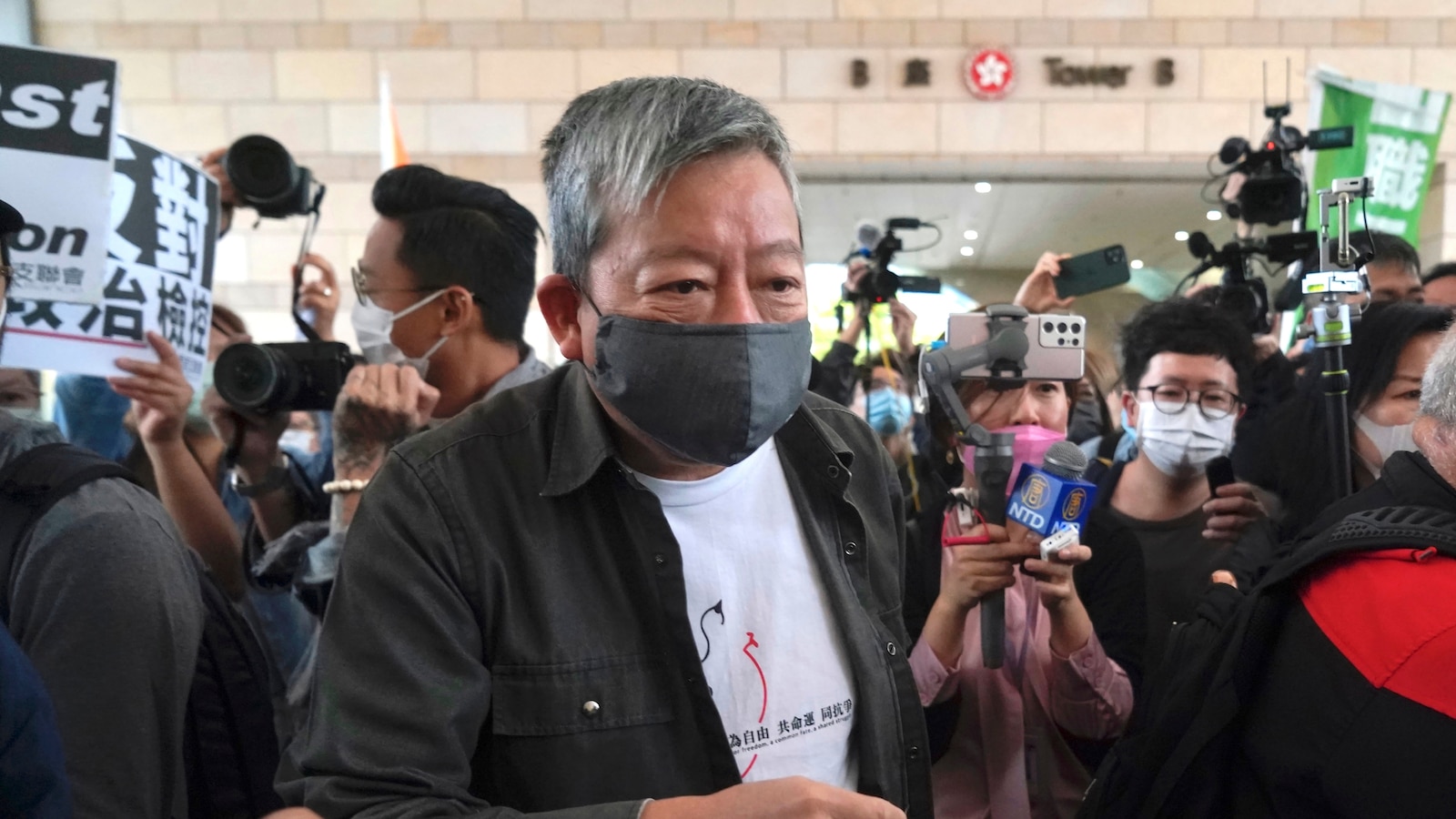
A Hong Kong court has heard the final arguments in the trial of key figures behind the city's annual Tiananmen Square vigil. The trial has drawn international attention amid ongoing concerns over freedom of expression in the region.
Final Arguments Presented in Trial of Former Tiananmen Vigil Organizers
Hong Kong's High Court has recently concluded the final arguments in the trial of several prominent figures who were instrumental in organizing the city's annual Tiananmen Square vigil. This event, which has been a symbol of remembrance for the 1989 protests in Beijing, has faced increasing scrutiny and suppression from authorities in recent years.
The trial includes high-profile activists such as Chow Hang-tung, a lawyer and prominent pro-democracy advocate, who has been a vocal critic of the Chinese government's stance on the Tiananmen Square massacre. The defendants are charged with inciting others to participate in an unauthorized assembly, following the government's ban on the vigil in 2020, citing public health concerns due to the COVID-19 pandemic.
During the final arguments, the prosecution argued that the defendants had deliberately flouted the law and incited the public to gather in defiance of the ban. They asserted that the vigil was not only a political statement but also a breach of public order, which warranted legal action. The prosecution emphasized the need to uphold the rule of law in Hong Kong, stating that allowing such gatherings could lead to a breakdown of public safety.
In contrast, the defense team contended that the vigil was a peaceful expression of free speech and an essential aspect of Hong Kong's cultural and historical identity. They argued that the right to assemble and commemorate the Tiananmen Square protests is protected under the Basic Law, Hong Kong's mini-constitution. The defense also highlighted the significance of the vigil as a platform for mourning and remembrance, not just for the victims of the 1989 protests but for the ongoing struggle for democracy in Hong Kong.
As the trial unfolded, it became a focal point for discussions about the erosion of civil liberties in Hong Kong. Many observers noted that the prosecution's actions reflect a broader trend of tightening control over dissent in the city, particularly following the implementation of the National Security Law in 2020. This law has been widely criticized for stifling free expression and curbing political opposition.
The trial has garnered significant media attention, with numerous international human rights organizations calling for the charges against the defendants to be dropped. Amnesty International and Human Rights Watch have both issued statements condemning the trial as a politically motivated attempt to silence dissenting voices in Hong Kong.
Supporters of the defendants gathered outside the courthouse during the trial, holding placards and chanting slogans in support of free speech and democracy. Many expressed their solidarity with the organizers, emphasizing the importance of remembering the Tiananmen Square events and standing up against oppression.
As the court prepares to deliver its verdict, the implications of this trial extend beyond the individuals involved. It serves as a litmus test for the future of civil liberties in Hong Kong and the extent to which the city can maintain its unique identity amid increasing pressure from the mainland Chinese government. The outcome will likely resonate within the broader pro-democracy movement, which has faced significant challenges in recent years.
In conclusion, the trial of the former Tiananmen vigil organizers underscores the ongoing struggle for freedom of expression in Hong Kong. As the world watches closely, the verdict will not only impact the lives of those on trial but may also set a precedent for the future of political activism in the region.