Final Arguments Heard in Hong Kong Court for Tiananmen Vigil Organizers
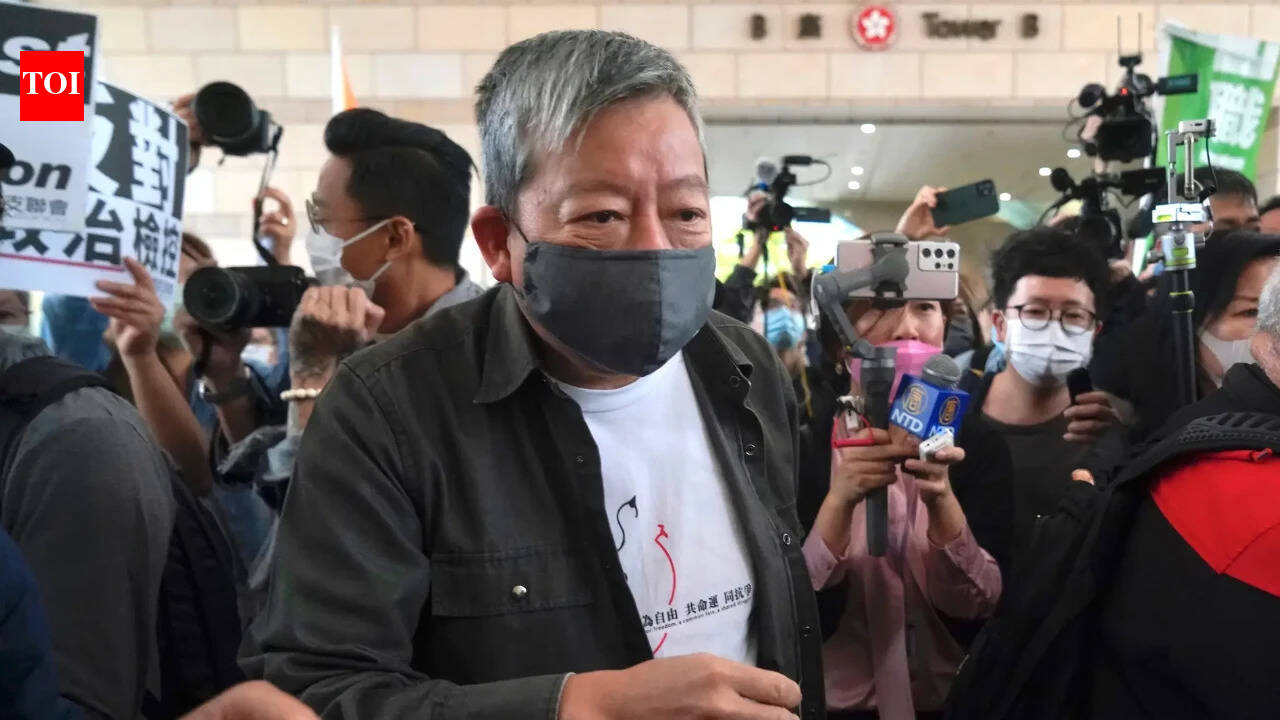
The Hong Kong court has concluded the final arguments in the trial of prominent organizers of the Tiananmen vigil, with a verdict expected in July. The case has drawn significant attention amid growing concerns over the suppression of dissent in the city.
Final Arguments Heard in Hong Kong Court for Tiananmen Vigil Organizers
Hong Kong's judiciary has reached a pivotal moment as it hears the final arguments in the trial of key figures behind the city's annual Tiananmen vigil. This trial has become emblematic of the broader tensions surrounding freedom of expression and political dissent in Hong Kong, particularly following the imposition of the National Security Law in 2020.
The vigil, held annually on June 4, commemorates the 1989 Tiananmen Square massacre, where hundreds, if not thousands, of pro-democracy demonstrators were killed by the Chinese government. For over three decades, the event has served as a powerful symbol of resistance against authoritarianism, drawing thousands of participants each year. However, the vigil was banned in 2020 and 2021, with authorities citing public health concerns due to the COVID-19 pandemic, a move widely viewed as an attempt to quash dissent.
In the current trial, the defendants include prominent activists such as Lee Cheuk-yan, the former chairman of the Hong Kong Alliance in Support of Patriotic Democratic Movements of China, and other key figures who played significant roles in organizing the vigil. They face charges of inciting and participating in an unauthorized assembly, which could result in severe penalties, including imprisonment.
During the final arguments, the defense team emphasized the importance of the vigil as a means of preserving historical memory and advocating for democracy. They argued that the assembly was peaceful and aimed at fostering public discourse on human rights and political freedoms, which are enshrined in Hong Kong's Basic Law.
On the other hand, the prosecution maintained that the vigil was unlawful and posed a threat to public order. They argued that the defendants had repeatedly defied police bans and had incited others to participate in illegal activities. The prosecution's stance reflects the growing intolerance for dissent in Hong Kong, particularly as the government continues to crack down on any form of opposition.
The trial has attracted considerable media attention and public interest, with many viewing it as a litmus test for the future of civil liberties in Hong Kong. As the city grapples with its identity in the wake of increasing mainland influence, the outcome of this case could have far-reaching implications for activists and ordinary citizens alike.
International observers have expressed concern over the trial, noting that it highlights the erosion of freedoms in Hong Kong since the enactment of the National Security Law. Human rights organizations have condemned the charges against the vigil organizers, labeling them as politically motivated and a violation of the right to peaceful assembly.
As the court prepares to deliver its verdict in July, the case remains a focal point for discussions about the future of democracy and human rights in Hong Kong. Many activists and supporters of the Tiananmen vigil are anxiously awaiting the outcome, which could either embolden dissent or further suppress it in a city that has long been a beacon of freedom in Asia.
In conclusion, the trial of the Tiananmen vigil organizers is not just a legal proceeding; it is a reflection of the ongoing struggle for democracy in Hong Kong. As the world watches closely, the verdict will likely resonate far beyond the courtroom, influencing the trajectory of civil rights in the region for years to come.