Father of Hong Kong Activist Sentenced to 8 Months in Jail Under National Security Law
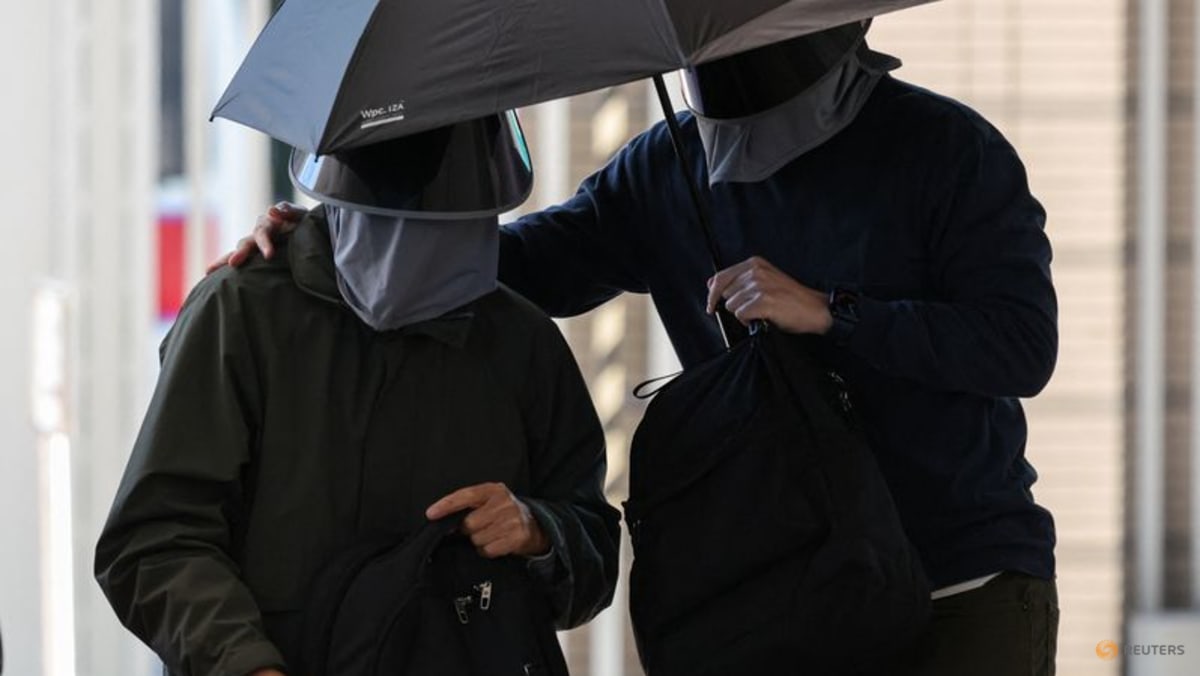
The father of prominent Hong Kong activist, who has been a vocal critic of the government, has been sentenced to eight months in prison under the controversial national security law. This case highlights the ongoing crackdown on dissent in the region and raises concerns over the future of civil liberties in Hong Kong.
Background of the Case
In a significant ruling that underscores the tightening grip of the Hong Kong government on dissent, the father of a well-known pro-democracy activist was sentenced to eight months in prison under the national security law. The sentencing of this individual, who has been a vocal advocate for democratic reforms, is seen as part of a broader campaign to suppress opposition voices in the city.
The Sentencing
The court found the father guilty of charges related to inciting hatred against the government and promoting secessionist sentiments. The national security law, which was imposed by Beijing in June 2020, has been criticized for its vague definitions and broad application, allowing authorities to target a wide range of activities and expressions deemed threatening to national security.
Reactions from Activists and Human Rights Groups
The sentencing has drawn sharp condemnation from human rights advocates and pro-democracy supporters, who argue that it exemplifies the erosion of freedoms in Hong Kong. Many activists have expressed concerns that the law is being used as a tool to silence dissent and stifle political opposition. “This is a clear message from the government that any form of dissent will not be tolerated,” said a spokesperson for a local human rights organization.
Broader Implications for Civil Liberties
The case has raised alarms about the future of civil liberties in Hong Kong, a city that was once celebrated for its vibrant civil society and freedoms. Critics argue that the national security law has created a chilling effect, deterring individuals from expressing their views for fear of reprisals. The international community has also expressed concern over the implications of the law, with several countries calling for its repeal.
Government's Justification
In defense of the national security law, Hong Kong authorities have stated that it is necessary to restore stability and order following the widespread protests that erupted in 2019. They argue that the law is aimed at safeguarding national security and preventing acts of terrorism and subversion. However, many remain skeptical of these claims, viewing the law as a means to consolidate power and eliminate political opposition.
Future of Activism in Hong Kong
The sentencing of the activist’s father raises critical questions about the future of activism in Hong Kong. With increasing restrictions on freedom of expression and assembly, many are left wondering how the pro-democracy movement can continue to operate under such oppressive conditions. Some activists have begun to explore alternative methods of advocacy, including international outreach and digital campaigns, to circumvent the limitations imposed by the government.
Conclusion
The eight-month prison sentence handed down to the father of the Hong Kong activist serves as a stark reminder of the ongoing struggles faced by those advocating for democracy and human rights in the region. As the government continues to enforce the national security law, the resilience of the pro-democracy movement will be tested, and the future of civil liberties in Hong Kong hangs in the balance.