Exploring the Waterfront: A Cultural Perspective on New York and Hong Kong
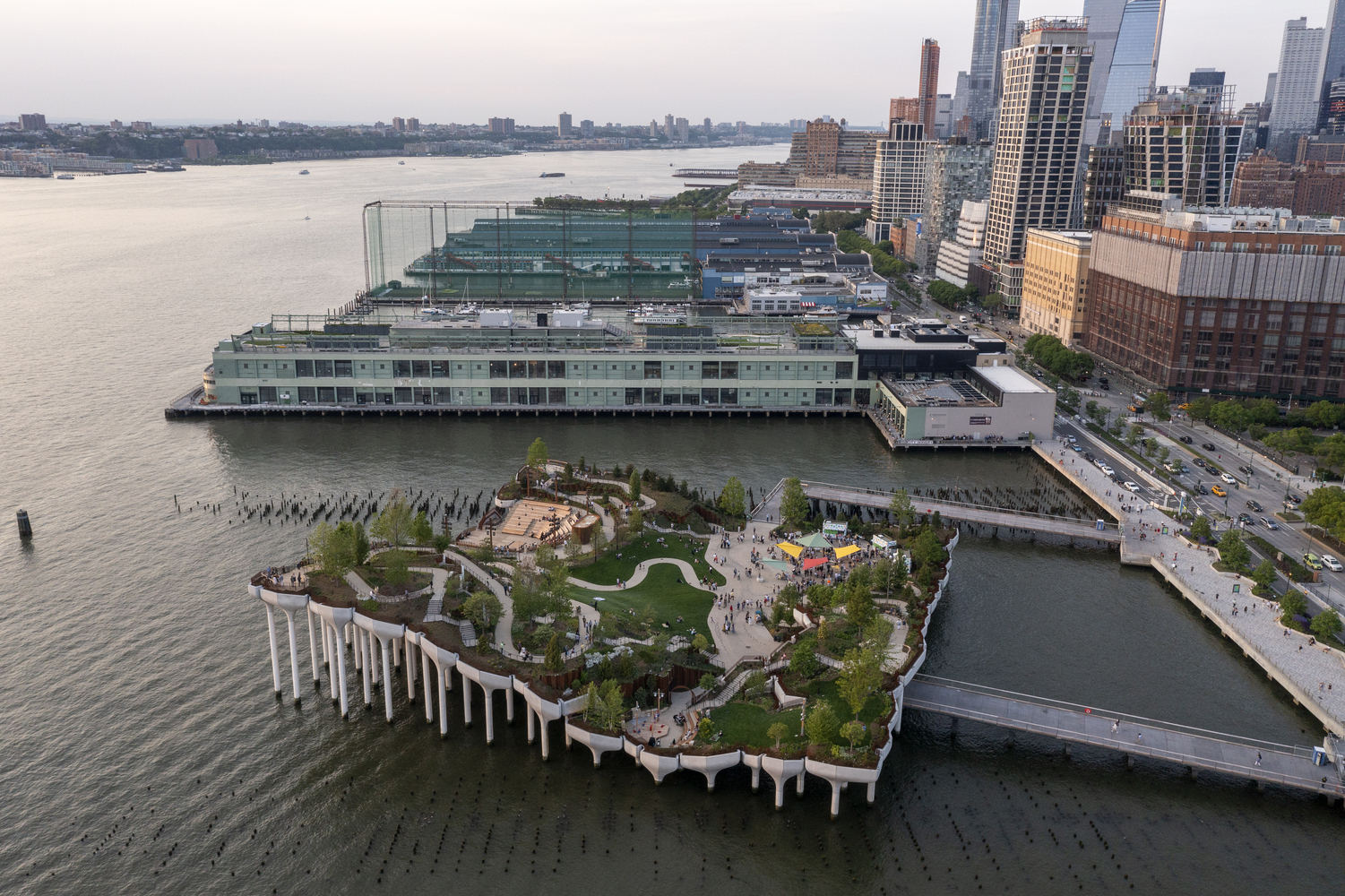
This report delves into the contrasting waterfront developments of New York and Hong Kong, highlighting their cultural implications. By examining the architectural and urban planning decisions, we uncover how these cities reflect their unique identities and values.
Introduction
The waterfronts of New York and Hong Kong serve not only as beautiful vistas but also as cultural touchstones that reflect the identity and values of their respective cities. As urban planners and architects continue to shape these landscapes, the contrasting approaches taken by each city reveal much about their historical contexts, societal needs, and future aspirations.
New York's Emphasis on Public Space
New York City has long been celebrated for its commitment to public space. The revitalization of the waterfront, particularly in areas like the High Line and Hudson River Park, has transformed once-neglected industrial zones into vibrant community hubs. These spaces prioritize accessibility and inclusivity, encouraging a diverse range of activities and interactions among residents and visitors alike.
The High Line, an elevated park built on a former railway line, exemplifies this ethos. It not only provides green space in a densely populated urban environment but also serves as a canvas for public art, fostering a sense of community and cultural engagement. The design encourages people to explore and interact with their surroundings, making the waterfront a dynamic part of New York's cultural landscape.
Hong Kong's Unique Urban Challenges
In contrast, Hong Kong's waterfront development is shaped by its unique geographical and socio-political context. The city is characterized by its dramatic skyline and limited land availability, resulting in a focus on high-density development. Projects like the Central Waterfront Promenade aim to create public spaces amidst the urban density, but they often grapple with the challenges of balancing commercial interests with the need for leisure and recreation.
Hong Kong's waterfronts are not just places of leisure; they are also critical economic zones. The integration of commercial spaces with public areas reflects a pragmatic approach to urban planning, where economic viability often takes precedence. However, this can lead to tensions between the desire for open, accessible spaces and the pressures of real estate development.
Cultural Reflections in Urban Design
The differences in waterfront development between New York and Hong Kong highlight broader cultural reflections. New York's approach is rooted in a democratic ideal of public space, where the waterfront is seen as a communal asset that belongs to all. In contrast, Hong Kong's waterfront is often viewed through the lens of economic utility, reflecting a culture that prioritizes efficiency and commercial success.
These contrasting philosophies are evident in the design choices and the types of activities that each waterfront promotes. New York's waterfronts encourage leisurely strolls, picnics, and cultural events, while Hong Kong's spaces often feature bustling markets, commercial activities, and high-end dining options.
Looking Ahead: Future Developments
As both cities continue to evolve, the future of their waterfronts will be shaped by ongoing debates about urban development, sustainability, and community engagement. In New York, initiatives like the East Side Coastal Resiliency Project aim to enhance flood protection while creating new public spaces. Meanwhile, Hong Kong is exploring ways to integrate green infrastructure into its urban fabric, seeking to balance commercial development with environmental sustainability.
Ultimately, the waterfronts of New York and Hong Kong are more than just picturesque landscapes; they are cultural narratives that reflect the values and priorities of their cities. As urban planners and architects navigate the complexities of waterfront development, they must consider not only the physical space but also the cultural implications of their designs.
Conclusion
In examining the waterfronts of New York and Hong Kong, we gain insight into how urban environments can shape cultural identities. By understanding the different approaches taken by these two iconic cities, we can appreciate the diverse ways in which waterfronts can serve as vital cultural and social spaces.