Exploring the Architectural Legacy of Tao Ho: A Modernist Vision for Hong Kong
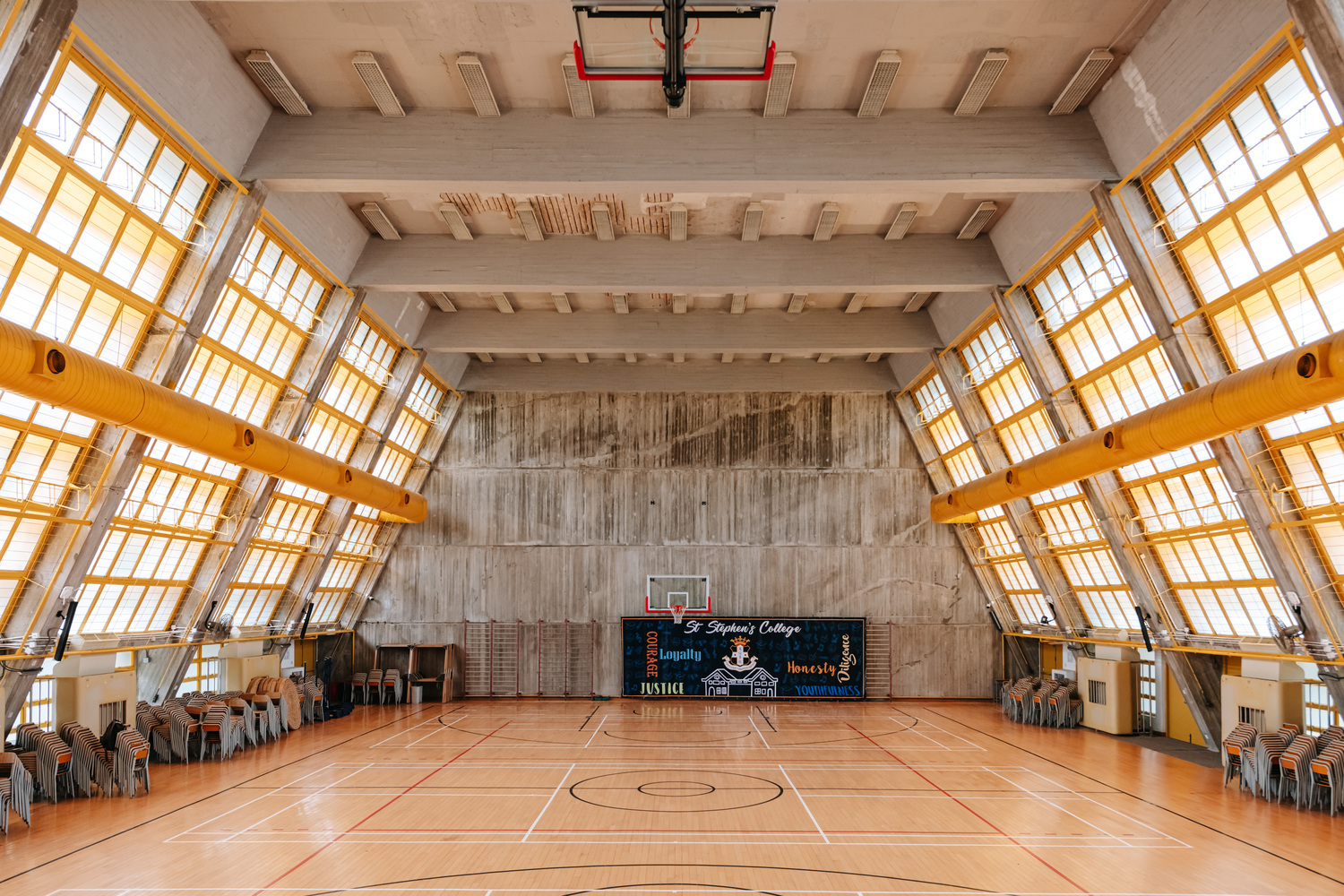
Tao Ho, a prominent figure in Hong Kong's architectural landscape, has made significant contributions to the city's modernism. This report delves into his work and its impact on local culture and identity.
The Architectural Vision of Tao Ho
In the vibrant urban tapestry of Hong Kong, few figures have left as indelible a mark as architect Tao Ho. Known for his innovative approach and commitment to local modernism, Ho's work not only reshaped the skyline of Hong Kong but also redefined the cultural identity of the city. As we explore his contributions, it becomes evident how his vision continues to influence contemporary architecture and urban planning in the region.
A Pioneer of Local Modernism
Tao Ho's career spans several decades, during which he has been a pivotal force in promoting modernist architecture that resonates with Hong Kong's unique cultural context. His designs often reflect a deep understanding of the local environment, blending functionality with aesthetic appeal. Ho's philosophy emphasizes the importance of integrating architecture with the surrounding landscape, a principle that has guided many of his projects.
Key Projects and Contributions
Among his most notable works is the Hong Kong Arts Centre, completed in 1977, which serves as a hub for the arts and culture in the city. The building's design is characterized by its dynamic form and use of natural light, creating an inviting space for creativity and expression. Ho's ability to harmonize modern architectural techniques with traditional elements is evident in this project, making it a landmark in Hong Kong's cultural scene.
Another significant project is the Hong Kong Museum of Art, which showcases Ho's commitment to enhancing public spaces through thoughtful design. The museum not only houses a vast collection of art but also serves as a venue for cultural exchange and community engagement. Ho's vision for the museum reflects his belief in architecture as a catalyst for social interaction and cultural dialogue.
Impact on Hong Kong’s Urban Landscape
Ho's influence extends beyond individual buildings; he has played a crucial role in shaping the architectural discourse in Hong Kong. His advocacy for local modernism has inspired a new generation of architects to explore designs that are contextually relevant and culturally resonant. This shift towards a more localized approach is essential in a city that grapples with rapid urbanization and globalization.
Preserving Cultural Identity through Architecture
In an age where many cities face the threat of losing their unique identities due to homogenization, Ho's work stands as a testament to the power of architecture in preserving cultural heritage. His designs often incorporate elements of traditional Chinese architecture, reinterpreted through a modern lens. This blending of old and new not only honors the past but also paves the way for a future that respects local traditions while embracing innovation.
Challenges and Future Directions
Despite his successes, Ho acknowledges the challenges that lie ahead for architects in Hong Kong. The pressures of real estate development and the demand for high-density living often clash with the ideals of thoughtful, context-sensitive design. However, Ho remains optimistic, urging architects and urban planners to advocate for sustainable practices that prioritize the well-being of residents and the preservation of cultural landmarks.
Conclusion: A Lasting Legacy
Tao Ho's contributions to Hong Kong's architectural landscape are profound and far-reaching. His commitment to local modernism not only enriches the city's aesthetic but also fosters a sense of community and cultural pride. As Hong Kong continues to evolve, Ho's legacy serves as a guiding light for future generations of architects, reminding them of the importance of creating spaces that reflect the unique identity of their surroundings.