Exploring Hong Kong's Elevated Networks: A Blend of Climate Resilience and Urban Commerce
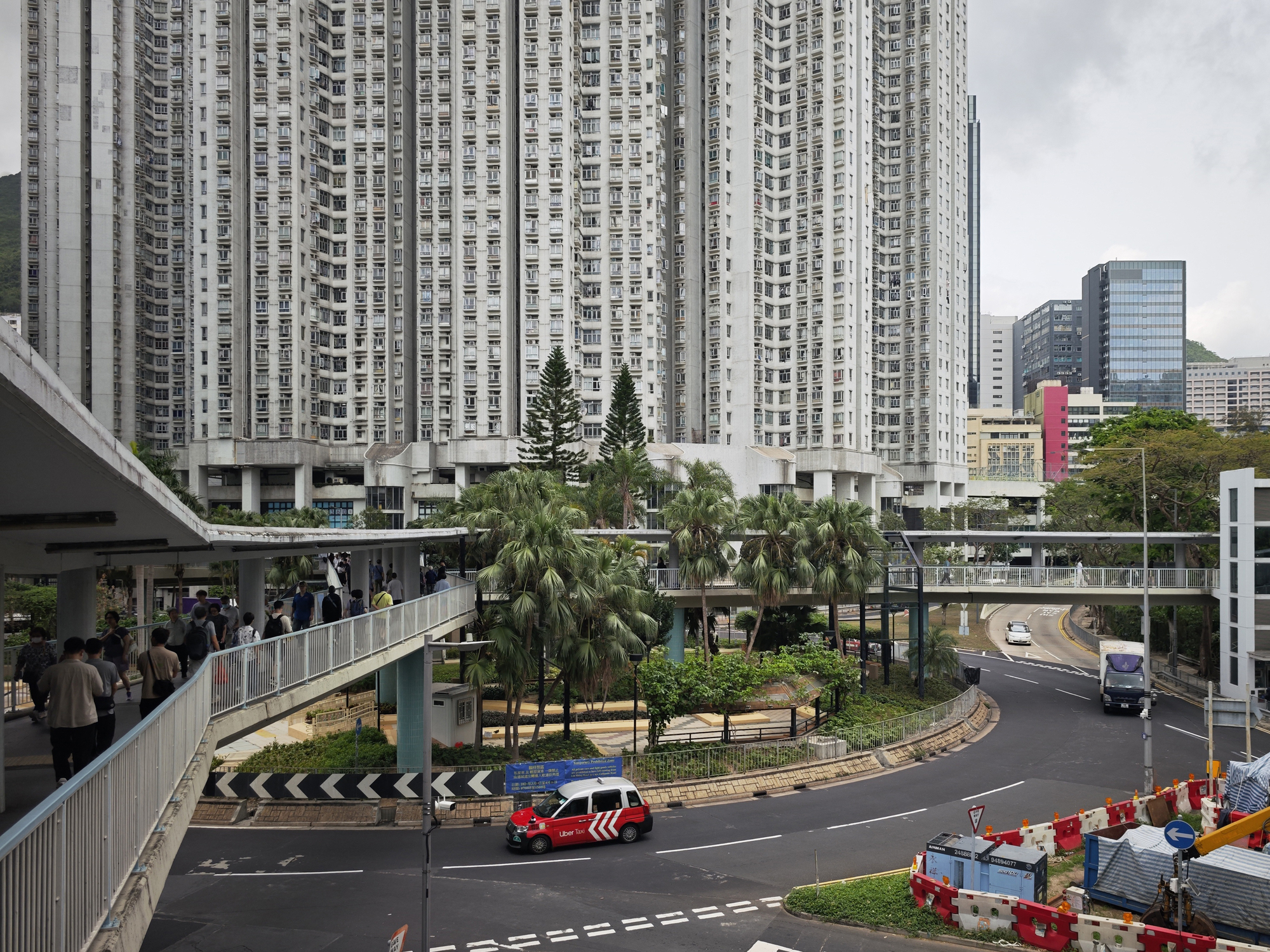
Hong Kong's elevated networks are not just architectural marvels but also vital components in the city's response to climate change. This report delves into how these structures are reshaping urban life and commerce in the bustling metropolis.
Introduction
Hong Kong, a city renowned for its stunning skyline and vibrant urban life, is undergoing a transformation that intertwines climate resilience with commercial innovation. Elevated networks, which include walkways, bridges, and skyways, are becoming increasingly significant in addressing the challenges posed by climate change while enhancing the urban experience.
The Rise of Elevated Networks
Historically, Hong Kong has faced numerous environmental challenges, including heavy rainfall and rising sea levels. In response, urban planners and architects have turned to elevated networks as a solution to mitigate flooding and improve accessibility. These structures not only provide safe passage during inclement weather but also connect various parts of the city, facilitating seamless movement for residents and tourists alike.
Climate Resilience Through Design
As climate change continues to pose threats globally, cities are rethinking their infrastructure. In Hong Kong, the design of elevated networks incorporates sustainable practices. For instance, many of these structures are equipped with drainage systems that channel rainwater away from streets, reducing the risk of flooding. Additionally, the use of green materials and energy-efficient technologies in construction minimizes the carbon footprint of these projects.
Commercial Opportunities
Beyond their environmental benefits, elevated networks serve as commercial arteries for the city. They host a variety of businesses, from cafes to retail shops, creating vibrant spaces that attract foot traffic. The integration of commercial establishments within these networks not only boosts local economies but also enhances the overall urban experience, making it more enjoyable for residents and visitors.
Community Engagement and Urban Life
Elevated networks are designed with community engagement in mind. They often feature public art installations, green spaces, and areas for social interaction, fostering a sense of community among residents. This emphasis on public space encourages a healthier lifestyle, as people are more likely to walk or cycle along these elevated paths rather than relying solely on vehicles.
Challenges and Future Directions
Despite the advantages, the development of elevated networks is not without challenges. Concerns about maintenance, safety, and the potential for overcrowding must be addressed to ensure these structures remain effective and enjoyable for all users. Furthermore, as urban areas continue to expand, planners must consider how to integrate these networks into future developments without compromising their original purpose.
Conclusion
Hong Kong's elevated networks represent a forward-thinking approach to urban planning, blending climate resilience with commercial vitality. As the city navigates the complexities of climate change and urbanization, these structures will play a crucial role in shaping a sustainable and vibrant future. By prioritizing both environmental sustainability and community engagement, Hong Kong sets a precedent for other cities facing similar challenges worldwide.