Errors in Tai Po Blaze Hearing Transcript Spark Transparency Concerns
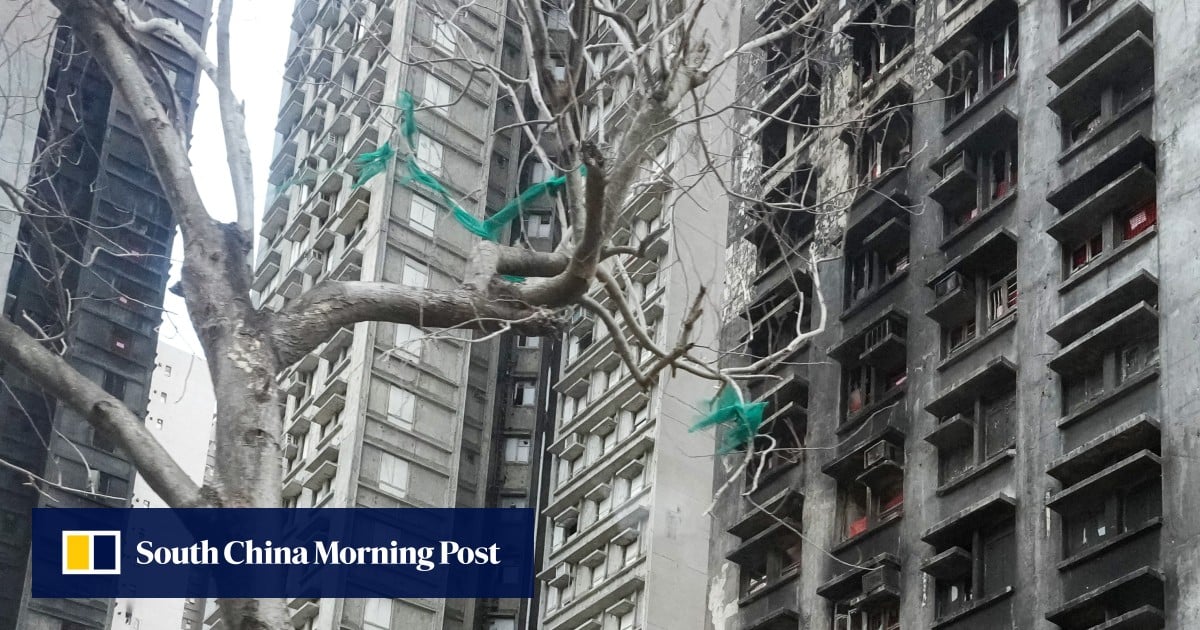
Recent discrepancies in the transcript of the Tai Po fire hearing have raised significant concerns regarding transparency and accountability in Hong Kong's judicial processes. Stakeholders are calling for a thorough investigation to ensure the integrity of future proceedings.
Introduction
In a troubling turn of events, errors in the transcript of the Tai Po blaze hearing have ignited serious concerns about transparency and accountability within Hong Kong's legal system. The hearing, which focused on a devastating fire that claimed multiple lives, has come under scrutiny as discrepancies in the official records have emerged, prompting calls for a comprehensive review of the judicial process.
Background of the Tai Po Blaze
The Tai Po fire, which occurred in early 2023, resulted in a tragic loss of life and significant property damage, sending shockwaves through the community. The incident prompted an immediate investigation, leading to a public hearing aimed at uncovering the causes and preventing future tragedies. However, the subsequent hearing has now been overshadowed by issues surrounding the accuracy of its transcript.
Concerns Over Transcript Errors
According to reports, several key statements made during the hearing were misrepresented or omitted entirely in the official transcript. Stakeholders, including victims' families and community advocates, have expressed their outrage over these errors, arguing that they undermine the integrity of the judicial process and hinder the pursuit of justice. The discrepancies have raised questions about how such errors could occur and what measures are in place to ensure accuracy in legal documentation.
Calls for Transparency and Accountability
In light of these revelations, various advocacy groups and legal experts are calling for increased transparency in the judicial system. They argue that accurate record-keeping is essential for maintaining public trust and ensuring that justice is served. "If the public cannot rely on the accuracy of transcripts, how can they trust the outcomes of hearings?" questioned a representative from a local victims' advocacy group. The sentiment is echoed by legal professionals who stress the importance of accountability in the judicial process.
Government Response
The Hong Kong government has yet to issue a formal response regarding the errors in the hearing transcript. However, sources indicate that officials are aware of the growing concerns and may consider implementing measures to enhance the accuracy of legal documentation. This could include revising procedures for transcription and increasing oversight during hearings to prevent similar issues in the future.
Impact on Victims and Families
The families of the victims from the Tai Po blaze are particularly affected by the errors in the hearing transcript. Many have expressed feelings of frustration and helplessness, fearing that the inaccuracies could impact the outcome of the investigation and the pursuit of justice for their loved ones. "We just want the truth to come out, and we deserve to have a clear record of what happened that night," stated one family member, highlighting the emotional toll that the situation has taken.
Looking Ahead
The Tai Po blaze hearing serves as a critical reminder of the importance of transparency and accuracy in the judicial process. As the community grapples with the aftermath of the tragedy, stakeholders are urging the government and legal authorities to take immediate action to address the concerns raised by the errors in the transcript. The hope is that by rectifying these issues, the Hong Kong judicial system can regain the trust of its citizens and ensure that justice is served for all.
Conclusion
As the investigation into the Tai Po blaze continues, the need for transparency and accountability in Hong Kong's legal system has never been more pressing. The errors in the hearing transcript are not just a clerical issue; they represent a broader challenge that could undermine public confidence in the judiciary. Moving forward, it is imperative that the authorities take decisive steps to ensure the integrity of legal proceedings, allowing victims and their families to find the justice they deserve.