Dollar-Yuan Surpasses Hong Kong Dollar as Most-Traded Currency Pair
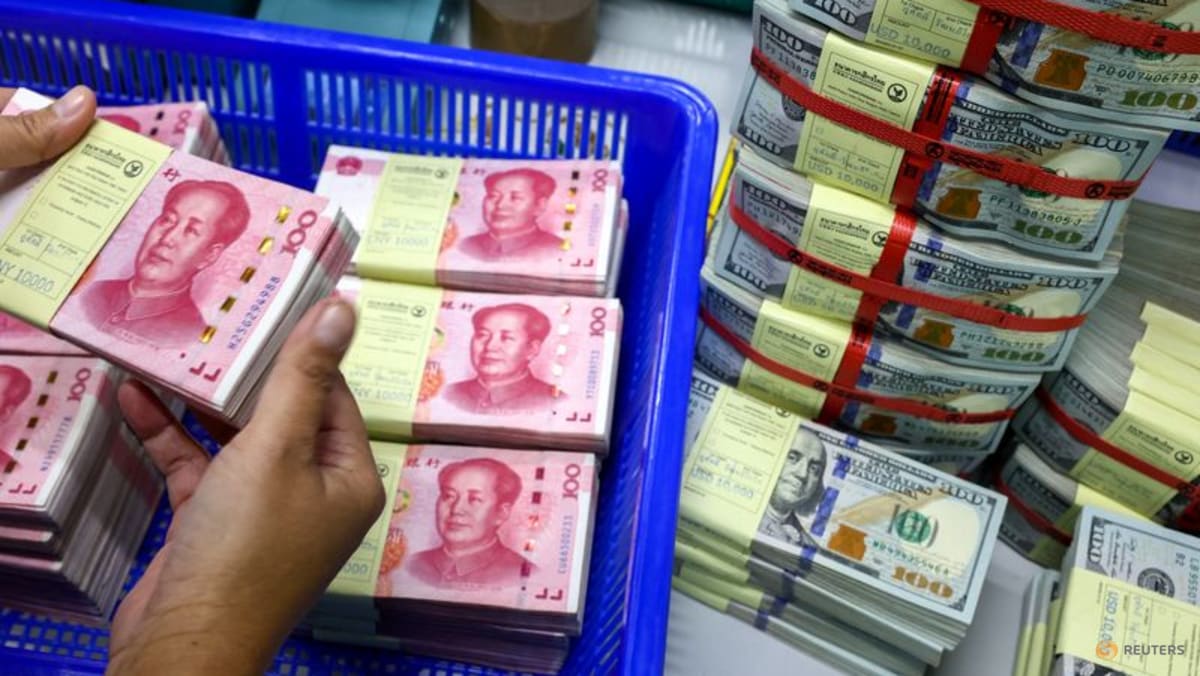
For the first time, the dollar-yuan currency pair has overtaken the Hong Kong dollar, marking a significant shift in trading dynamics in the region. This development highlights the increasing influence of the Chinese yuan in global financial markets.
Introduction
In a landmark shift for the financial landscape of Hong Kong, the dollar-yuan currency pair has officially become the most-traded currency pair in the region. This unprecedented development comes as the yuan continues to gain traction in global markets, reflecting China’s growing economic clout and the increasing internationalization of its currency.
Background on Currency Trading in Hong Kong
Hong Kong has long been a pivotal hub for currency trading, with the Hong Kong dollar historically dominating the market. However, recent trends indicate a significant transformation in trading patterns, spurred by various factors including geopolitical tensions, trade dynamics, and the strategic initiatives undertaken by the Chinese government to promote the yuan.
Factors Driving the Shift
The shift from the Hong Kong dollar to the dollar-yuan pair can be attributed to several key factors:
- Increased Global Demand for Yuan: As China’s economy continues to expand, there has been a corresponding increase in global demand for the yuan. This demand is fueled by China’s robust trade relationships and its efforts to position the yuan as a viable alternative to the US dollar.
- Geopolitical Considerations: Ongoing tensions between the US and China have led many countries to reconsider their reliance on the US dollar. The yuan’s appeal as a stable currency has grown, particularly among nations looking to diversify their reserves.
- Financial Reforms in China: The Chinese government has implemented various reforms aimed at liberalizing its financial markets and making the yuan more accessible to international investors. These reforms have contributed to the yuan’s increasing acceptance in global trade and finance.
Implications for Hong Kong’s Financial Sector
The emergence of the dollar-yuan as the leading currency pair in Hong Kong carries significant implications for the region’s financial sector. Financial institutions in Hong Kong may need to adapt their strategies to accommodate the growing prominence of the yuan. This could involve enhancing trading platforms, increasing liquidity provisions, and offering more yuan-denominated financial products.
Market Reactions
Market analysts have expressed mixed reactions to this development. Some view it as a positive sign of the yuan’s strengthening position in global finance, while others caution that it may pose challenges for the Hong Kong dollar, which has traditionally been seen as a stable currency in the region. The transition may also lead to increased volatility in the currency markets as investors adjust to the new dynamics.
The Future of Currency Trading in Hong Kong
As the dollar-yuan currency pair takes center stage, the future of currency trading in Hong Kong appears poised for transformation. Financial experts predict that the trend will continue, with the yuan likely to play an increasingly vital role in the region’s economic landscape. This shift may also encourage further integration of Hong Kong’s financial markets with mainland China’s, potentially leading to new opportunities for investors and businesses alike.
Conclusion
The transition of the dollar-yuan currency pair to the forefront of trading in Hong Kong marks a significant milestone in the evolution of global finance. As the yuan continues to gain prominence, stakeholders in the financial sector must remain vigilant and adaptable to navigate the changing landscape. The implications of this shift will undoubtedly resonate throughout the region and beyond, shaping the future of currency trading in Hong Kong and the broader Asia-Pacific region.