Dollar Weighs Down as Markets React to Trump’s Delay in Iran Strikes
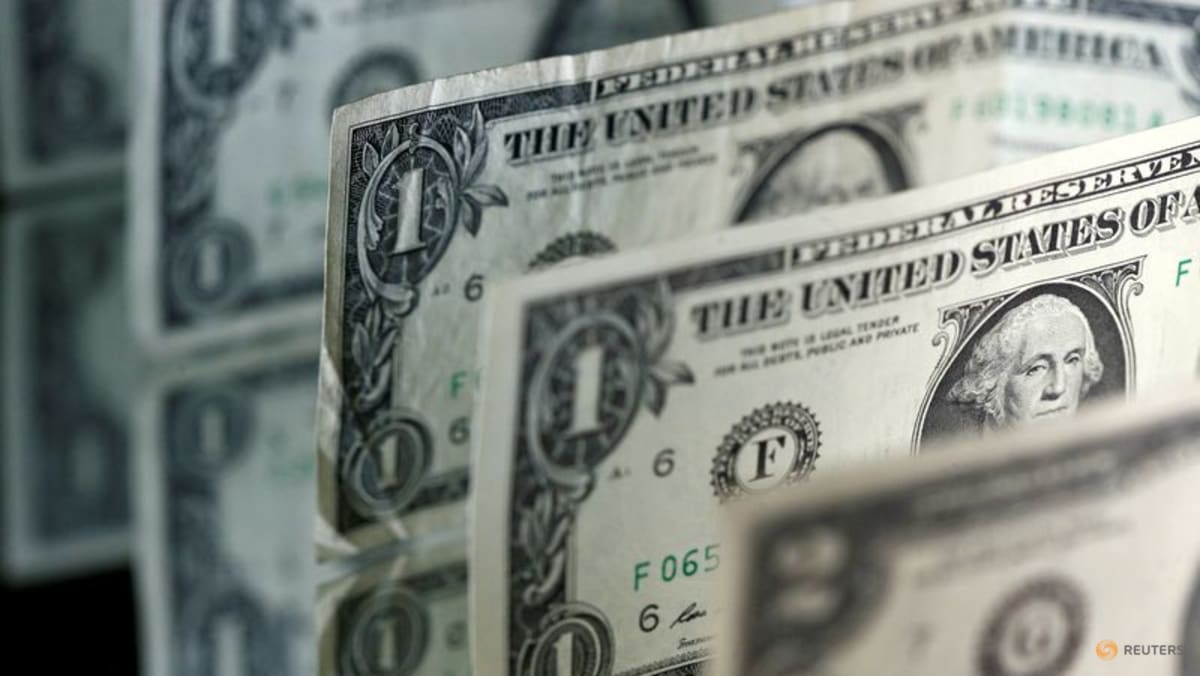
The U.S. dollar faced losses as global markets reacted to President Trump's unexpected delay in military strikes against Iran. Investors are now closely monitoring geopolitical tensions and their potential impact on the economy.
Dollar Faces Pressure Amid Geopolitical Uncertainty
The U.S. dollar experienced a notable decline on Monday as global markets reacted to President Donald Trump's decision to delay military strikes against Iran. This unexpected move has left investors grappling with uncertainties surrounding geopolitical tensions and their potential ramifications on the economy.
Market Reactions to Trump's Decision
Following the announcement, the dollar index, which measures the currency against a basket of six major currencies, fell by 0.3%. The decline reflects a broader market sentiment that is cautious amid rising tensions in the Middle East. Investors are weighing the implications of Trump's delay in military action, which has led to a complex interplay of risk and opportunity in the financial markets.
Geopolitical Tensions and Economic Implications
The backdrop to this market reaction is the escalating conflict between the United States and Iran. Following the U.S. drone strike that killed Iranian General Qassem Soleimani, tensions have surged, prompting fears of a potential military confrontation. Trump's decision to hold off on strikes has created a momentary reprieve, but uncertainty remains as to how this situation will evolve.
Investor Sentiment and Safe-Haven Assets
In light of the geopolitical uncertainty, investors have turned to safe-haven assets such as gold and the Japanese yen. Gold prices surged to a seven-year high, reflecting a flight to safety amid fears of escalating conflict. Meanwhile, the yen strengthened against the dollar, further indicating a shift in investor sentiment towards more stable currencies.
Federal Reserve's Role in Currency Fluctuations
The Federal Reserve's monetary policy also plays a crucial role in the dollar's performance. Analysts are closely monitoring the Fed's stance on interest rates, especially in light of the recent geopolitical developments. A dovish stance from the Fed could further weaken the dollar, while a more hawkish approach might bolster it. The interplay between domestic monetary policy and international tensions will be pivotal in shaping the dollar's trajectory in the coming weeks.
Global Economic Outlook
As markets digest the implications of Trump's delay in military action, economists are also considering the broader economic outlook. The potential for increased volatility in oil prices, driven by Middle Eastern tensions, could have far-reaching effects on global inflation and economic growth. Investors are advised to remain vigilant as the situation develops, with many expecting continued fluctuations in currency markets.
Conclusion: A Cautious Approach
In conclusion, the U.S. dollar's recent decline underscores the profound impact of geopolitical events on financial markets. As investors navigate through the uncertainty surrounding U.S.-Iran relations, a cautious approach is warranted. The interplay between military decisions, investor sentiment, and monetary policy will continue to shape the economic landscape in the months ahead.