Dollar Strengthens Amid Rising Oil Prices and Fed Rate Hike Speculations
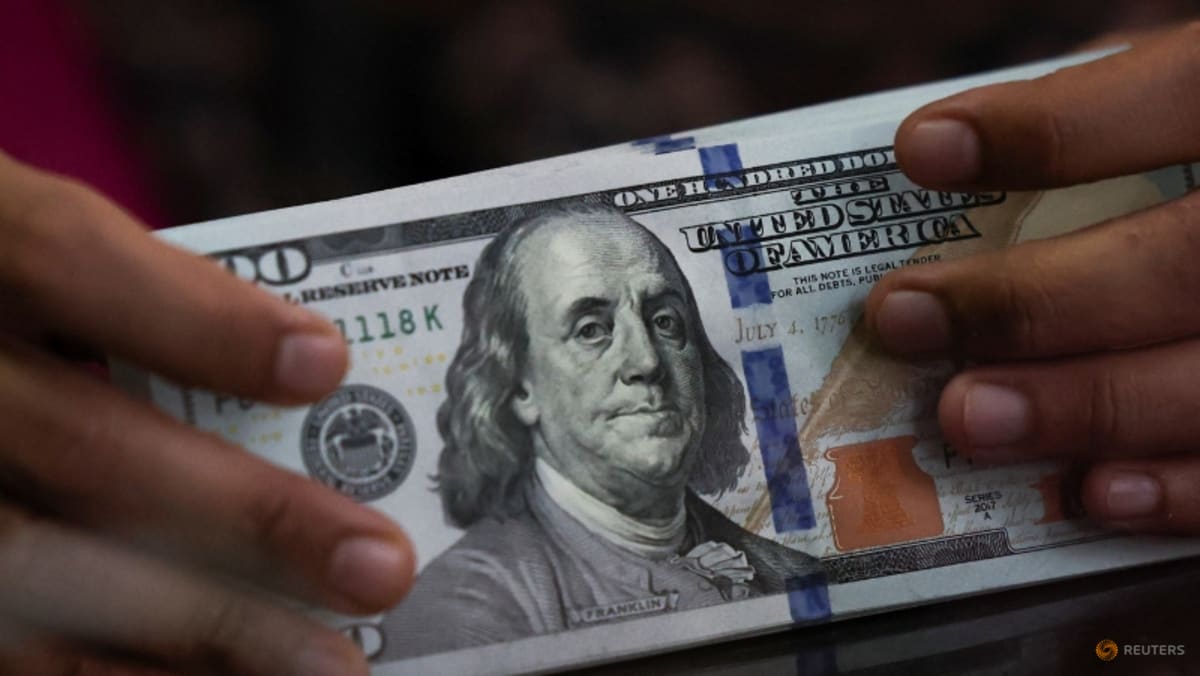
The US dollar reaches a near two-week high as surging oil prices lead to increased yields and heightened expectations for Federal Reserve interest rate hikes. Market analysts are closely monitoring these developments as they could have significant implications for global economic stability.
Dollar Near Two-Week High
The US dollar surged to a near two-week high on Wednesday, buoyed by rising oil prices that have driven up yields and increased speculation regarding potential interest rate hikes by the Federal Reserve. The currency's strength reflects a complex interplay of market factors that could signal shifts in economic policy and investor sentiment.
Oil Prices on the Rise
Oil prices have been on an upward trajectory, with Brent crude climbing above $90 a barrel for the first time in over a year. This surge is attributed to various factors, including geopolitical tensions, supply chain disruptions, and production cuts by major oil-producing nations. As energy costs rise, concerns about inflation have resurfaced, prompting investors to reassess their portfolios.
Impact on Yields and Fed Policy
As oil prices increase, so too do Treasury yields, with the yield on the benchmark 10-year Treasury note rising to its highest level in several months. This increase in yields typically signals a tightening of monetary policy, as higher rates are often employed to combat inflation. Market analysts are now predicting that the Federal Reserve may be compelled to raise interest rates more aggressively than previously anticipated, particularly if inflation continues to rise in tandem with energy costs.
Market Reactions
The dollar's appreciation against other currencies is a reflection of these changing dynamics. The euro and the British pound have both weakened against the dollar, as investors flock to the perceived safety of the US currency amid uncertainty in global markets. In addition, emerging market currencies are also feeling the pressure, as higher US rates could lead to capital outflows from these economies.
Global Economic Implications
The implications of a stronger dollar and rising oil prices extend beyond the US borders. Countries that rely heavily on oil imports may face increased costs, potentially leading to higher inflation rates and slower economic growth. Conversely, oil-exporting nations may benefit from increased revenues, which could bolster their economies in the short term.
Investor Sentiment and Future Outlook
Investor sentiment remains cautious as market participants weigh the potential for further rate hikes against the backdrop of rising energy costs. Many analysts believe that the Federal Reserve's next moves will be critical in shaping the economic landscape for the remainder of the year. As such, upcoming economic data releases and Fed communications will be closely scrutinized for indications of future policy directions.
Conclusion
In conclusion, the dollar's rise to a near two-week high, driven by surging oil prices and expectations of Federal Reserve interest rate hikes, underscores the interconnectedness of global financial markets. As stakeholders navigate these developments, the potential for volatility remains high, making it imperative for investors and policymakers alike to stay informed and responsive to changing economic conditions.