Dollar Reaches Two-Week High Amid Oil Price Surge and Fed Rate Hike Speculations
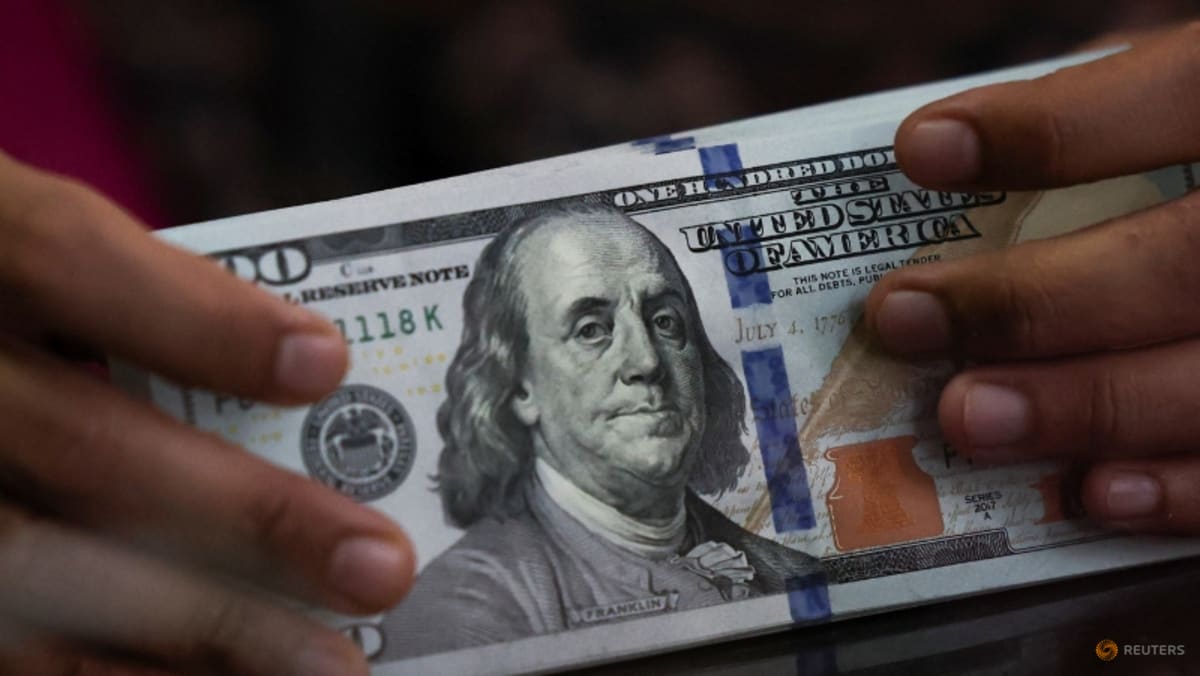
The U.S. dollar has climbed to a near two-week high as rising oil prices contribute to increased yields and speculation surrounding Federal Reserve interest rate hikes. Analysts suggest that these economic factors may significantly influence global markets in the coming weeks.
Dollar Strengthens as Oil Prices Surge
The U.S. dollar has reached a near two-week high, buoyed by a surge in oil prices that has led to increased yields on government bonds and heightened speculation regarding potential interest rate hikes by the Federal Reserve. This upward momentum in the dollar reflects broader market reactions to fluctuating energy prices and economic indicators that are shaping the financial landscape.
Impact of Rising Oil Prices
Oil prices have seen a significant increase, driven by supply constraints and geopolitical tensions in key oil-producing regions. As crude oil prices rise, concerns about inflation have resurfaced, prompting investors to reassess their positions in the currency markets. The surge in oil prices has not only impacted the energy sector but has also contributed to a broader increase in inflationary pressures, which could influence the Federal Reserve's monetary policy decisions.
Market Reactions and Federal Reserve Speculations
In response to the rising oil prices, U.S. Treasury yields have also climbed, reflecting investor expectations of tighter monetary policy. The yield on the benchmark 10-year Treasury note has risen, indicating that investors are preparing for potential interest rate hikes. Market analysts suggest that the Federal Reserve may be compelled to respond to these inflationary pressures by adjusting interest rates, which could further strengthen the dollar.
Global Economic Implications
The strengthening of the dollar has significant implications for global trade and investment. A stronger dollar can make U.S. exports more expensive for foreign buyers, potentially impacting the competitiveness of American goods in international markets. Conversely, it can make imports cheaper, affecting domestic producers. As the dollar gains strength, emerging markets may also face challenges, as a stronger dollar can lead to capital outflows and increased debt servicing costs for countries with dollar-denominated debt.
Investor Sentiment and Future Outlook
Investor sentiment remains cautiously optimistic, with many analysts closely monitoring the interplay between oil prices, inflation, and Federal Reserve policy. The market is bracing for potential volatility as economic data releases and geopolitical developments unfold. The upcoming Federal Open Market Committee (FOMC) meeting will be a crucial event, as investors seek clarity on the Fed's stance regarding interest rates in light of the current economic environment.
Conclusion
As the dollar approaches a two-week high amidst rising oil prices and speculation about Federal Reserve rate hikes, market participants are keenly aware of the potential implications for both the U.S. and global economies. The interplay between energy prices, inflation, and monetary policy will continue to shape financial markets, making it essential for investors to stay informed and adapt to the evolving economic landscape.