Dollar Reaches 13-Month High Amid Rate Hike Speculations and Stock Market Turmoil
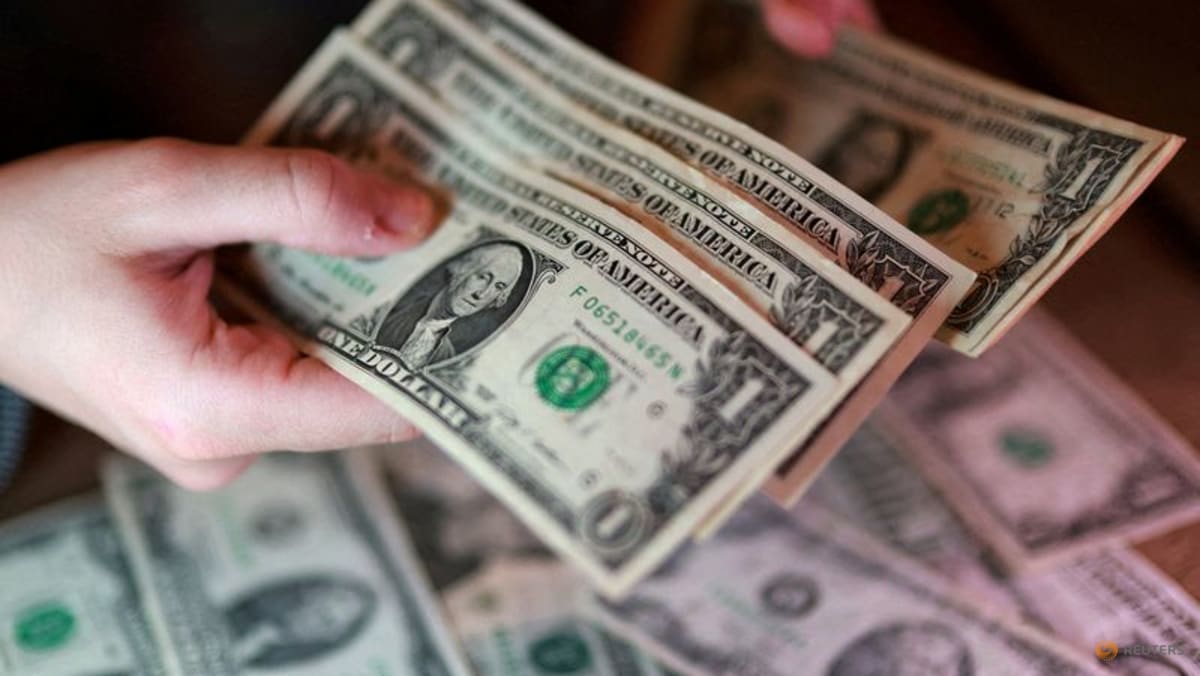
The US dollar has surged to a 13-month high, driven by expectations of interest rate hikes and a downturn in the stock market. This shift reflects changing investor sentiments and market dynamics amid economic uncertainties.
Dollar Strengthens as Investors Seek Safe Haven
The US dollar has climbed to a 13-month high, buoyed by increasing expectations of interest rate hikes and a significant downturn in global stock markets. As investors grapple with economic uncertainties, the dollar's ascent signals a shift in market dynamics, with many seeking refuge in the world's primary reserve currency.
Rate Hike Bets Fuel Demand
Market analysts point to the Federal Reserve's potential tightening of monetary policy as a key driver behind the dollar's strength. Recent comments from Fed officials have indicated a willingness to raise interest rates to combat persistent inflation, prompting traders to adjust their positions accordingly. This shift in sentiment has led to a spike in demand for the dollar, as higher interest rates typically enhance the currency's appeal to investors.
Stock Market Turmoil Contributes to Dollar's Rise
Simultaneously, a rout in global stock markets has further propelled the dollar's value. Major indices have experienced significant declines, with concerns over economic growth and corporate earnings weighing heavily on investor confidence. As equities falter, many investors are reallocating their assets towards safer havens, with the dollar emerging as a preferred choice.
Global Economic Landscape Influences Currency Movements
The dollar's rise is not occurring in isolation; it is part of a broader trend influenced by various global economic factors. The ongoing geopolitical tensions, supply chain disruptions, and fluctuating commodity prices have all contributed to a climate of uncertainty. In this context, the dollar's strength reflects a flight to safety, as investors seek to mitigate risks associated with more volatile assets.
Comparative Performance Against Other Currencies
Against a basket of major currencies, the dollar has shown remarkable resilience. The euro and the British pound have both weakened against the dollar, with the European Central Bank and the Bank of England facing their own challenges in navigating inflationary pressures. As the dollar strengthens, it poses additional challenges for international trade, particularly for countries reliant on exports.
Implications for Global Trade and Investment
The dollar's ascent has significant implications for global trade and investment. A stronger dollar makes US exports more expensive for foreign buyers, potentially impacting the competitiveness of American goods in the global marketplace. Conversely, it could also lead to lower import costs for US consumers, affecting domestic inflation rates.
Market Outlook and Future Projections
Looking ahead, analysts remain divided on the sustainability of the dollar's strength. While some predict that the dollar will continue to gain traction as the Fed moves towards a more hawkish stance, others caution that external factors, such as geopolitical developments and economic data releases, could introduce volatility into the currency markets.
Conclusion
As the dollar reaches its highest level in over a year, market participants are closely monitoring the interplay between interest rate expectations and stock market performance. The current economic landscape presents both challenges and opportunities, and how these factors evolve will ultimately determine the dollar's trajectory in the coming months.