Dollar Nears One-Week High Amid Gulf Tensions
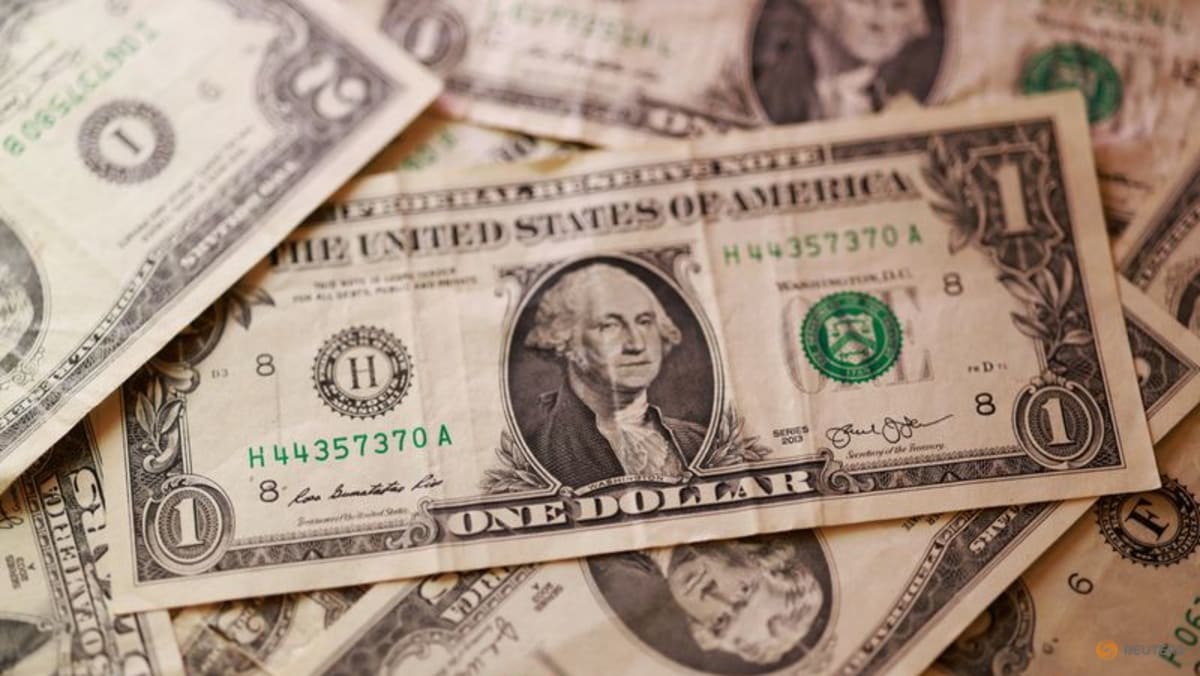
The U.S. dollar is approaching a one-week high as global markets react to rising tensions in the Gulf region. Analysts suggest that the geopolitical climate is influencing investor sentiment and currency fluctuations.
Dollar Strengthens as Markets React to Geopolitical Uncertainty
The U.S. dollar is nearing a one-week high as financial markets grapple with escalating tensions in the Gulf region. Investors are closely monitoring developments that could impact global trade and economic stability, leading to a surge in demand for the safe-haven currency.
Market Reactions to Gulf Tensions
Recent events in the Gulf have heightened concerns among investors, prompting a flight to safety. The dollar index, which measures the currency against a basket of others, has shown resilience, climbing to levels not seen since the previous week. Analysts attribute this increase to a combination of geopolitical risks and economic data that suggests a mixed outlook for growth.
Geopolitical Climate Influences Currency Markets
The tensions in the Gulf have been exacerbated by a series of incidents involving military maneuvers and diplomatic disputes. As these events unfold, traders are adjusting their positions, leading to fluctuations in currency values. The dollar's strength is viewed as a reflection of its status as a safe-haven asset during times of uncertainty.
Impact on Global Trade
The implications of a stronger dollar extend beyond currency markets; they also affect global trade dynamics. A robust dollar can make U.S. exports more expensive for foreign buyers, potentially impacting the trade balance. Conversely, it can reduce the cost of imports, which may benefit consumers but could hurt domestic producers.
Investor Sentiment and Economic Indicators
Investor sentiment has been cautious as market participants weigh the potential economic fallout from the ongoing tensions. Recent economic indicators, including employment figures and manufacturing data, have shown signs of resilience in the U.S. economy. However, the uncertainty surrounding international relations continues to cloud the outlook.
Federal Reserve's Role in Currency Fluctuations
The Federal Reserve's monetary policy decisions also play a crucial role in shaping the dollar's trajectory. With inflation concerns lingering, the central bank's approach to interest rates will be closely watched. Any signals of tightening monetary policy could further bolster the dollar's position in the global currency market.
Looking Ahead: What to Expect
As the situation in the Gulf evolves, market participants will remain vigilant, monitoring news and developments that could influence currency movements. Analysts predict that the dollar may continue to experience volatility in the short term, with potential implications for global trade and economic growth.
Conclusion
In conclusion, the U.S. dollar's approach to a one-week high amidst Gulf tensions highlights the intricate relationship between geopolitical events and financial markets. Investors are advised to stay informed and prepared for potential fluctuations as the situation develops.