Dollar Faces Losses Amid Market Uncertainty Over Trump Administration's Delay in Iran Strikes
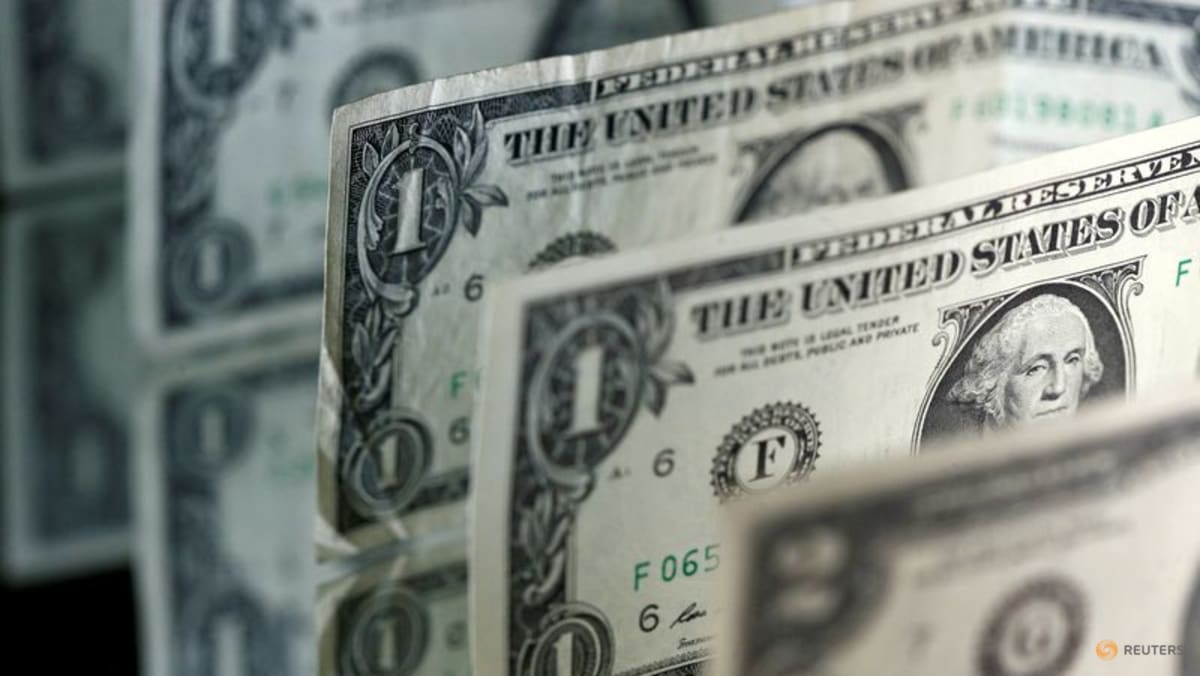
The dollar is experiencing losses as markets react to the Trump administration's delay in military action against Iran. Investors are weighing the implications of this decision on global stability and economic forecasts.
Market Reactions to U.S. Foreign Policy
The financial markets are currently in a state of flux as the U.S. dollar faces losses attributed to the Trump administration's recent decision to delay military strikes against Iran. This unexpected move has raised concerns among investors regarding the potential ramifications for global stability and economic outlook.
Dollar's Performance in the Global Market
As of the latest trading sessions, the dollar index, which measures the currency against a basket of other major currencies, has shown signs of weakness. Analysts attribute this decline to a combination of factors, including geopolitical tensions in the Middle East and the uncertainty surrounding U.S. foreign policy. The delay in military action has led to a cautious approach among traders, who are now reassessing their positions in light of the evolving situation.
Investor Sentiment and Economic Implications
Investor sentiment has been notably affected by the announcement, with many turning to safer assets such as gold and government bonds. The uncertainty surrounding the U.S. approach to Iran has prompted fears of a prolonged period of instability in the region, which could have far-reaching effects on oil prices and global trade. Market analysts suggest that a sustained decline in the dollar could lead to increased inflationary pressures domestically, as imported goods become more expensive.
Geopolitical Context
The backdrop of this market reaction is the ongoing tension between the U.S. and Iran, which has escalated in recent months. The Trump administration has faced criticism for its handling of foreign relations, particularly in the context of military engagements. The decision to delay strikes was reportedly influenced by a desire to avoid further escalation and to explore diplomatic avenues, although this has not assuaged market fears.
Impact on Global Currencies
In response to the dollar's decline, several other currencies have gained strength. The euro and the Japanese yen, for instance, have seen an uptick as investors seek refuge from the volatility associated with the U.S. dollar. Currency experts are closely monitoring these trends, as shifts in currency values can significantly impact international trade and investment flows.
Future Outlook
Looking ahead, market analysts are urging caution as the situation continues to develop. The potential for further military action or diplomatic negotiations could influence market dynamics in the coming weeks. Investors are advised to stay informed about geopolitical developments and to consider diversifying their portfolios to mitigate risks associated with currency fluctuations.
Conclusion
The current state of the dollar amidst the backdrop of U.S.-Iran relations highlights the intricate connections between foreign policy and economic stability. As markets react to the Trump administration's decisions, the implications for both domestic and global economies remain to be seen. Stakeholders will need to remain vigilant as they navigate this complex landscape.