Dollar Eases Amid Hopes for Swift Resolution to Iran Conflict
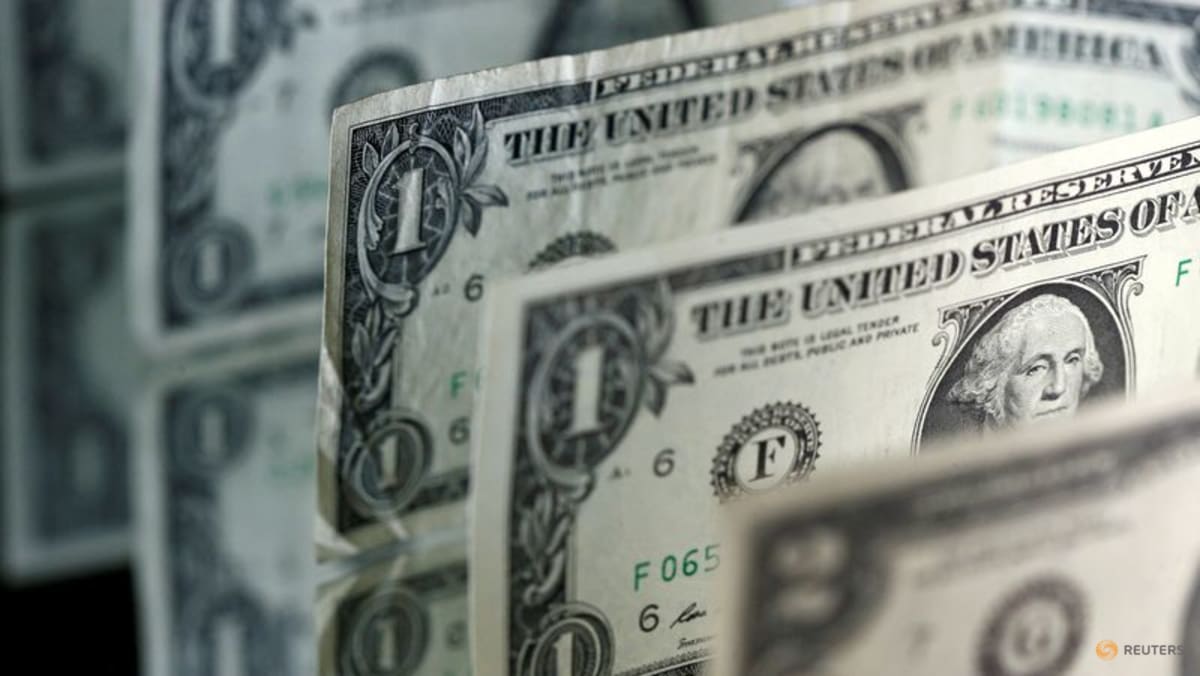
The U.S. dollar has seen a decrease in value as global markets react to optimistic projections regarding the resolution of the ongoing conflict in Iran. This shift comes alongside fluctuating oil prices, which have also been influenced by the geopolitical climate.
Dollar Eases Amid Hopes for Swift Resolution to Iran Conflict
The U.S. dollar has recently experienced a decline as traders express optimism over a potential quick resolution to the ongoing conflict in Iran. This easing of the dollar is largely attributed to movements in the oil market, which have seen fluctuations in response to geopolitical developments.
As tensions in the Middle East continue to affect global markets, investors are closely monitoring the situation in Iran. The conflict, which has drawn international attention, has raised concerns regarding oil supply disruptions. However, recent reports suggest that diplomatic efforts may lead to a swift end to hostilities, prompting a more favorable outlook among traders.
Market Reactions
In the wake of these developments, the dollar index, which measures the currency against a basket of others, has shown signs of easing. Analysts note that the decline is partly due to a shift in investor sentiment, as the prospect of a resolution could stabilize oil prices and reduce inflationary pressures globally.
Oil prices have been volatile, with fluctuations reflecting the uncertainty surrounding the conflict. As fears of supply shortages recede, crude oil prices have seen a slight decrease, further contributing to the dollar's decline. The market is reacting to the idea that a peaceful resolution could restore stability to oil supplies, which have been a major concern for global economies.
Global Economic Implications
The implications of a stabilized oil market are significant for the global economy. Lower oil prices can lead to reduced transportation and production costs, which may, in turn, ease inflationary pressures. Economists suggest that a swift resolution to the Iran conflict could bolster economic growth in various regions, particularly in oil-dependent economies.
Furthermore, a weaker dollar may have mixed effects on the U.S. economy. While it can benefit exporters by making U.S. goods cheaper for foreign buyers, it can also increase the cost of imports, potentially leading to higher prices for consumers. As such, the Federal Reserve will need to navigate these complexities as it considers future monetary policy adjustments.
Looking Ahead
As the situation in Iran continues to evolve, market participants remain vigilant. The potential for a diplomatic resolution could reshape the landscape for both the dollar and oil prices. Investors are advised to stay informed about developments and consider the broader implications of geopolitical events on their portfolios.
In conclusion, the easing of the dollar amidst hopes for a swift end to the Iran conflict highlights the interconnectedness of global markets. As traders react to the changing dynamics, the outlook for both the dollar and oil prices will depend heavily on the progress of diplomatic efforts in the region.