Dollar Declines as Oil Shock Fuels Central Banks' Hawkish Stance
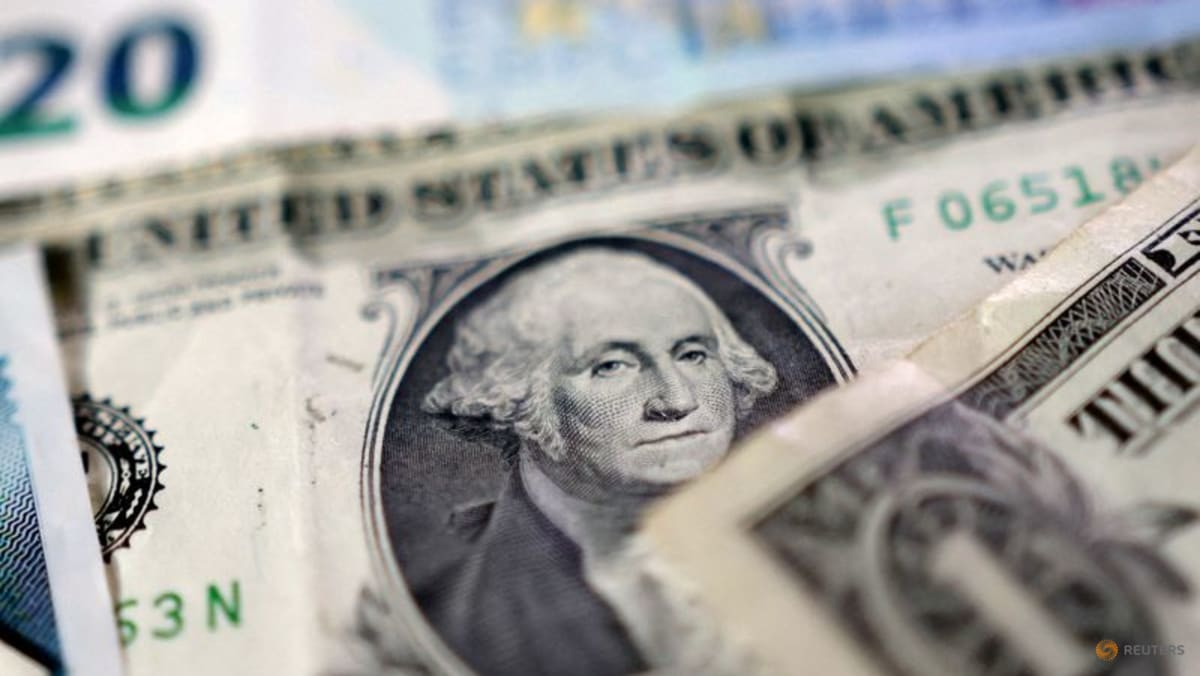
The dollar has fallen against major currencies as central banks adopt a more aggressive monetary policy in response to rising oil prices. This shift comes amid concerns over inflation and economic stability globally.
The Dollar's Downward Trend
The U.S. dollar has experienced a notable decline against major currencies, driven primarily by a recent surge in oil prices that has prompted central banks worldwide to adopt a more hawkish monetary policy. As inflationary pressures mount, particularly in oil-dependent economies, the response from central banks has been swift and decisive, leading to speculation about the future trajectory of interest rates and currency valuations.
Oil Prices Surge
In recent weeks, oil prices have surged due to a combination of geopolitical tensions and supply chain disruptions. The ongoing conflict in the Middle East, coupled with production cuts from OPEC+, has led to a significant tightening of oil supplies. This has not only affected the price of crude oil but has also raised concerns about inflation, prompting central banks to reconsider their monetary policies.
Central Banks Respond
As oil prices continue to rise, central banks, particularly in developed economies, are facing mounting pressure to act. The Federal Reserve, the European Central Bank, and the Bank of England have all indicated a shift towards more aggressive interest rate hikes in response to inflationary pressures. Analysts predict that this hawkish stance could lead to a more volatile economic environment, impacting everything from consumer spending to investment strategies.
Impact on the Dollar
The dollar's decline can be attributed to several factors, including the shift in monetary policy and the increasing attractiveness of other currencies. As central banks raise interest rates, investors are likely to seek higher returns in other markets, leading to a decrease in demand for the dollar. This trend has been reflected in recent trading sessions, with the dollar index falling against a basket of major currencies.
Global Economic Implications
The implications of a weaker dollar extend beyond currency markets. A declining dollar can lead to higher import costs, further exacerbating inflationary pressures. For countries reliant on oil imports, the combination of rising oil prices and a weaker dollar could create a perfect storm, leading to economic instability and potential recessionary conditions.
Market Reactions
Financial markets have reacted swiftly to these developments. Stock markets have shown signs of volatility, with investors weighing the potential impacts of rising interest rates and inflation. Commodities, particularly oil, have seen price fluctuations as traders react to geopolitical news and supply concerns. The uncertainty in the markets has led to increased demand for safe-haven assets such as gold and government bonds.
Looking Ahead
As central banks navigate this challenging economic landscape, the future of the dollar remains uncertain. Analysts suggest that the dollar may continue to weaken if inflation persists and central banks are forced to implement more aggressive monetary policies. Investors are advised to stay vigilant, as the interplay between oil prices, inflation, and interest rates will likely shape the economic outlook in the coming months.
Conclusion
The recent oil shock has not only toppled the dollar but has also reignited discussions about the role of central banks in managing inflation and economic stability. As we move forward, the actions taken by these institutions will be crucial in determining the trajectory of global economies and currency markets.