Disney's Strategic Commitment to China Amidst Market Challenges
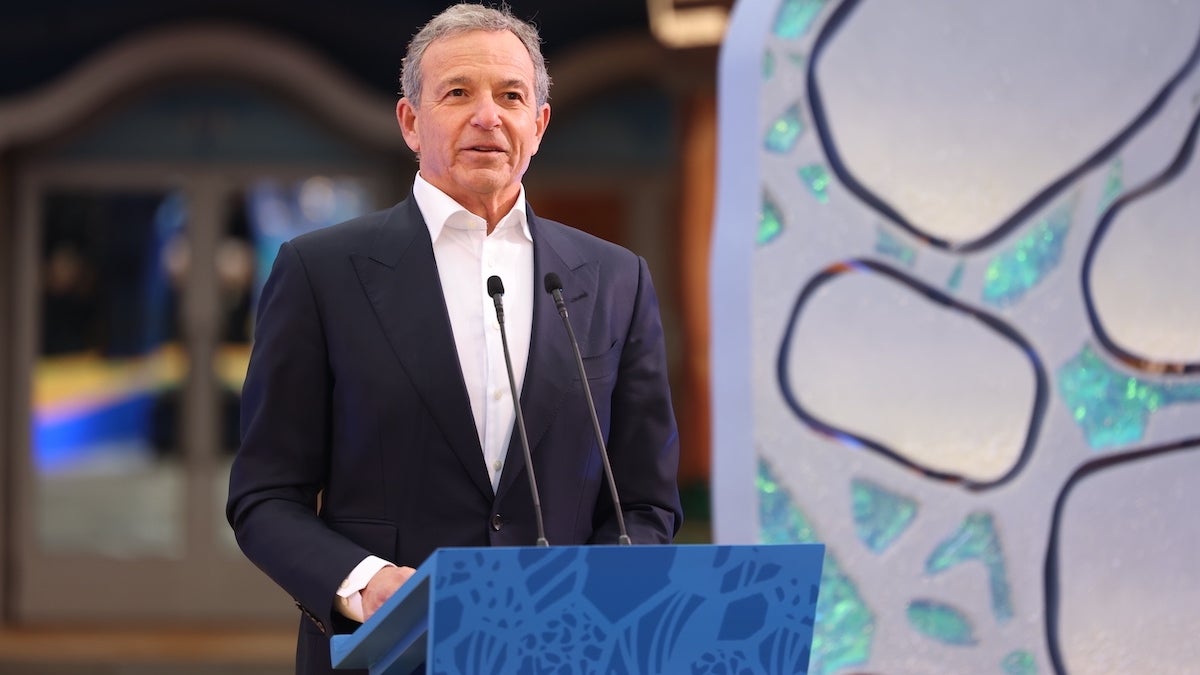
Disney's CEO Bob Iger reaffirms the company's commitment to investing in China, highlighting the importance of the Chinese market for the entertainment giant. This decision comes as Disney navigates various challenges, including competition and regulatory hurdles.
Disney's Strategic Commitment to China Amidst Market Challenges
In a recent statement, Disney CEO Bob Iger emphasized the company's ongoing commitment to investing in China, despite the myriad challenges the entertainment giant faces in the region. Iger's remarks come at a time when the Chinese market presents both significant opportunities and obstacles for global businesses, particularly in the entertainment sector.
During a conference call with investors, Iger outlined Disney's strategy to deepen its engagement with Chinese audiences, recognizing the country's vast potential as a market for films, theme parks, and merchandise. "China remains a critical market for us, and we are committed to investing in its growth," Iger stated, underscoring the importance of local partnerships and cultural resonance in Disney's approach.
Challenges in the Chinese Market
Despite the optimism, Disney's journey in China has not been without its challenges. The company has faced increased competition from local entertainment firms, which have rapidly gained market share and developed content that resonates more deeply with Chinese audiences. Additionally, regulatory hurdles and shifting government policies have made it more difficult for foreign companies to operate smoothly in the region.
Moreover, the COVID-19 pandemic has significantly impacted Disney's operations in China, particularly its theme parks. Shanghai Disneyland, one of the company's flagship parks, was closed for an extended period due to lockdowns, leading to substantial revenue losses. As the park reopens and business resumes, Disney is hopeful that it can recapture its audience and regain its footing in the market.
Investment Plans and Future Prospects
Looking ahead, Iger outlined several key areas where Disney plans to focus its investments in China. These include expanding its content offerings tailored to local tastes, enhancing the guest experience at its theme parks, and leveraging digital platforms to reach a wider audience.
Disney has already begun to adapt its content strategy, producing films and series that resonate with Chinese culture and values. Collaborations with local filmmakers and talent have been prioritized to ensure that Disney's offerings are not only entertaining but also culturally relevant.
Local Partnerships and Collaborations
In addition to content creation, Disney is actively seeking partnerships with Chinese companies to bolster its presence in the market. By collaborating with local firms, Disney aims to navigate the complex regulatory landscape more effectively and tap into the expertise of companies that understand the nuances of the Chinese consumer.
Furthermore, Disney's investment in digital platforms is crucial, as streaming services continue to grow in popularity across China. With the success of Disney+ in various markets, the company is keen to explore opportunities to launch or expand its streaming services in China, potentially partnering with local platforms to reach a broader audience.
Conclusion
As Disney navigates the complexities of the Chinese market, its commitment to investing in the region reflects a long-term strategy aimed at sustaining growth in one of the world's largest entertainment markets. While challenges remain, Iger's confidence in China's potential indicates that Disney is prepared to adapt and innovate in order to thrive in this dynamic landscape.
In summary, Disney's strategic investment in China underscores the company's recognition of the market's significance and its willingness to embrace local culture and partnerships to secure its future success.