Decline in Chinese Military Flights Signals Shift in Taiwan Strait Tensions
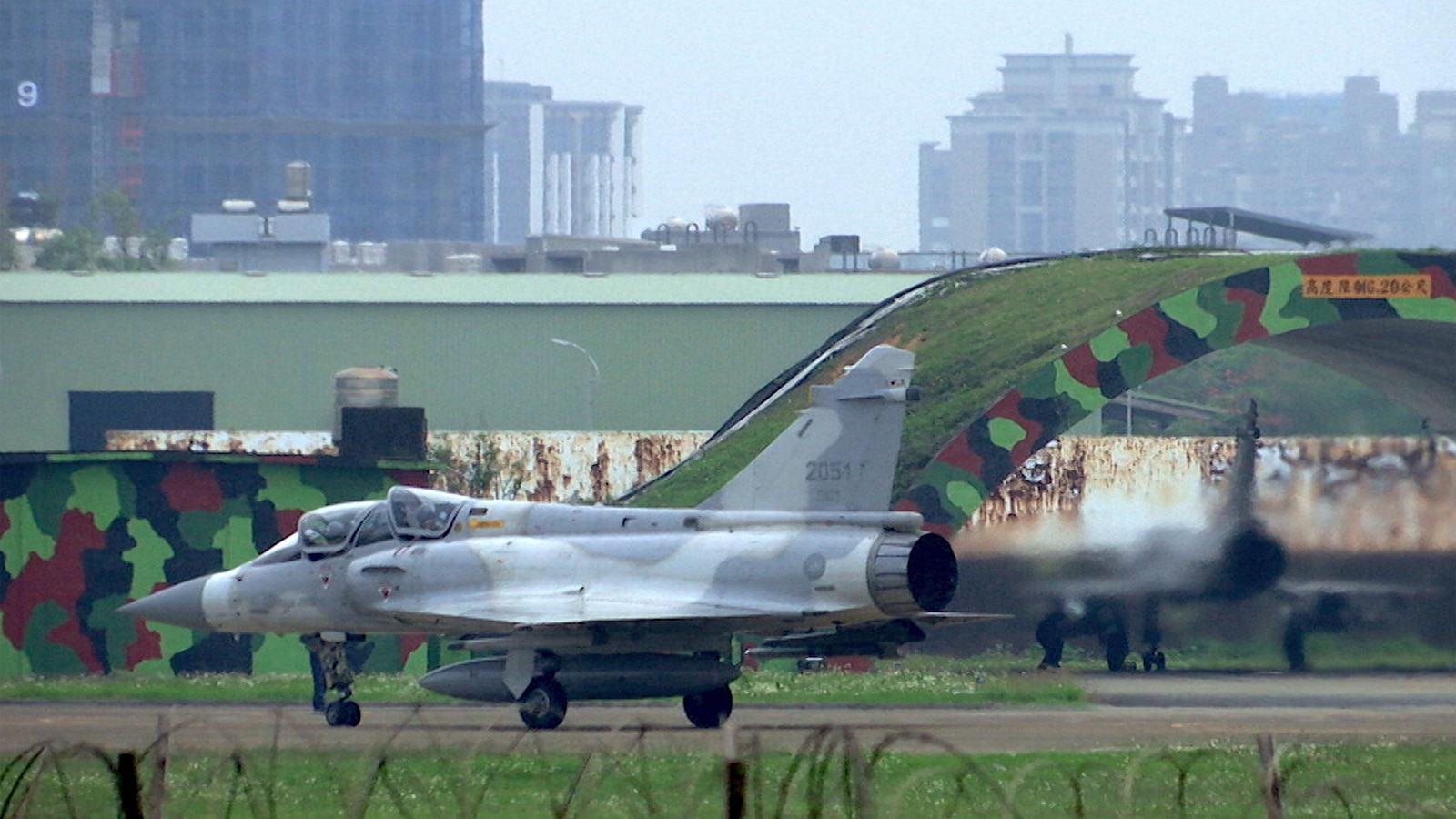
Recent reports indicate a notable decrease in Chinese military flights around Taiwan, raising questions about the future of cross-strait relations. Analysts suggest this decline may reflect strategic recalibrations amid international scrutiny.
Introduction
In a significant development concerning cross-strait relations, recent reports indicate a marked decline in Chinese military flights around Taiwan. This shift has raised eyebrows among analysts and policymakers, prompting discussions about the implications for regional security and the future of Taiwan's defense posture.
Background on Military Activity
For years, Taiwan has been at the center of escalating tensions between China and the United States, with Chinese military aircraft frequently entering Taiwan's air defense identification zone (ADIZ). These incursions have been viewed as a show of force by Beijing, aimed at intimidating Taiwan and asserting its claim over the self-governing island. However, the latest data suggests a notable decrease in such activities.
Recent Trends
According to reports from various sources, including ABC News and the Associated Press, the number of Chinese military flights around Taiwan has declined significantly in recent weeks. This falloff in activity has been attributed to several factors, including changing strategic priorities within the Chinese military and increased international scrutiny of Beijing's aggressive posturing.
Strategic Recalibration
Experts suggest that the decline in military flights may indicate a strategic recalibration by China. The Chinese government may be reassessing its approach to Taiwan amid growing international pressure and heightened tensions with the United States. The Biden administration has taken a firm stance on supporting Taiwan, which may have prompted Beijing to reconsider its military tactics in the region.
Impact on Taiwan's Defense
The reduction in Chinese military flights could have significant implications for Taiwan's defense strategy. Taiwanese officials have expressed concerns over the potential for increased aggression from China, and the recent decline may provide a temporary respite for Taiwan's military. However, analysts caution that this should not be interpreted as a long-term trend, as China retains the capability to ramp up military activity at any time.
International Reactions
The international community has been closely monitoring the situation in the Taiwan Strait. The United States, in particular, has reiterated its commitment to Taiwan's defense, emphasizing the importance of maintaining stability in the region. The recent decline in Chinese military flights may be viewed as a positive development by U.S. officials, but they remain vigilant regarding potential future provocations from Beijing.
Conclusion
As the situation continues to evolve, the decline in Chinese military flights around Taiwan raises important questions about the future of cross-strait relations. While this decrease may provide a temporary sense of relief for Taiwan, the underlying tensions and the potential for renewed military activity remain ever-present. Policymakers and analysts will need to remain vigilant as they navigate this complex and dynamic geopolitical landscape.