Debunking the Myth: Hong Kong Airport's Gate Count Clarified
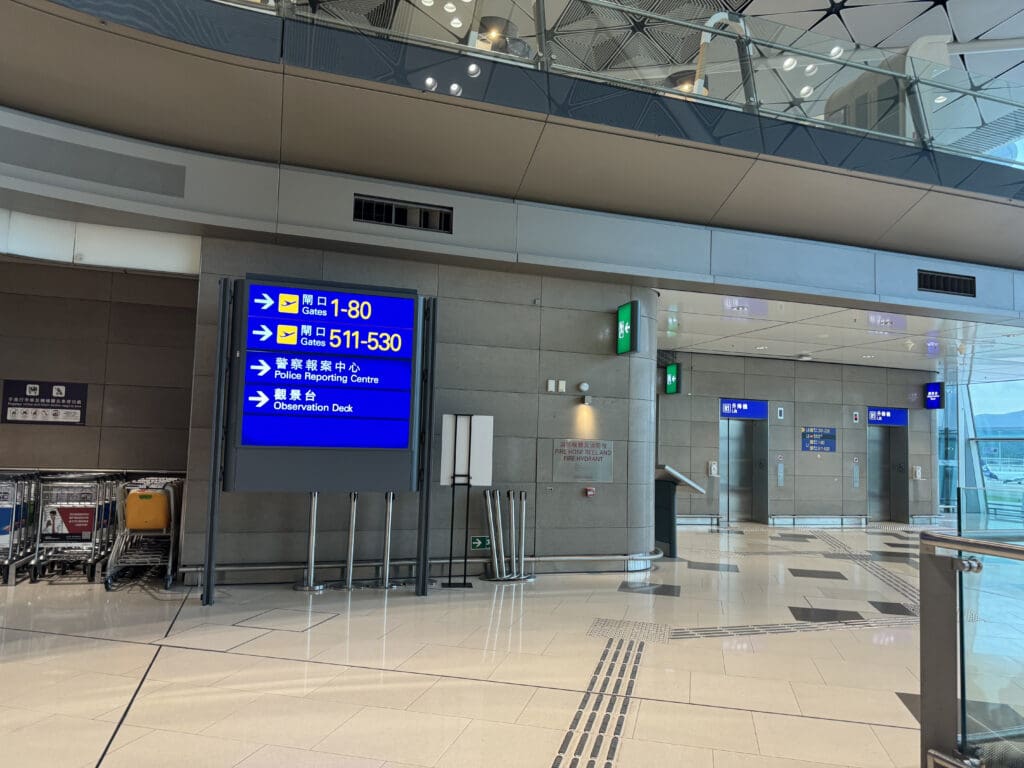
Hong Kong International Airport has long been rumored to have 530 gates, but recent investigations reveal this figure to be misleading. This report delves into the actual number of operational gates and the implications for travelers and airport management.
Introduction
Hong Kong International Airport (HKG) has been a significant hub for international travel, often touted for its extensive facilities and services. However, a recent investigation has brought to light a common misconception regarding the airport's capacity, specifically the number of gates it operates. Contrary to popular belief, the airport does not have 530 gates, a figure that has circulated widely among travelers and aviation enthusiasts alike.
Understanding the Misconception
The claim that Hong Kong Airport boasts 530 gates appears to stem from a misinterpretation of the airport's layout and operational capabilities. While the airport is indeed one of the largest in the world, the actual number of passenger boarding bridges—commonly referred to as gates—is significantly lower. According to sources, including Thealviator.com, the airport currently operates around 68 gates for passenger boarding, which is a stark contrast to the inflated figure.
The Importance of Accurate Information
Understanding the true capacity of Hong Kong Airport is crucial for various stakeholders, including travelers, airlines, and airport management. For passengers, knowing the actual number of gates can help set realistic expectations regarding boarding times and potential delays. For airlines, accurate data on gate availability is essential for efficient scheduling and operations. Moreover, airport management relies on precise figures to plan for expansions, maintenance, and improvements.
Operational Capacity and Efficiency
While the gate count may seem low compared to the rumored figure, Hong Kong Airport is designed for efficiency. The airport utilizes a combination of remote and contact gates, allowing for a smooth flow of passengers. Remote gates, which require passengers to board via buses, are a common practice in many international airports, especially those with high traffic volumes. This operational strategy helps manage the flow of passengers effectively, even with a limited number of gates.
Implications for Travelers
For travelers, the misconception regarding the number of gates can lead to confusion, particularly during peak travel seasons. With a better understanding of the airport's actual gate count, passengers can better prepare for their journeys. It is advisable for travelers to arrive at the airport well in advance of their flights, especially during busy periods when boarding may take longer than expected.
Future Developments
As Hong Kong Airport continues to evolve, there are ongoing discussions about expanding its facilities to accommodate the increasing number of travelers. With the rise in international travel post-pandemic, airport authorities are likely to explore options for increasing gate capacity and improving overall passenger experience. This may include the addition of more gates or enhancements to existing facilities.
Conclusion
The myth of Hong Kong Airport having 530 gates highlights the need for accurate information in the travel industry. As the airport continues to serve millions of passengers annually, understanding its true operational capacity is vital for effective travel planning. Travelers, airlines, and airport management must work together to ensure a seamless travel experience, grounded in factual data.