Data Gaps in Hong Kong's Landfill Waste Management Undermine Environmental Initiatives
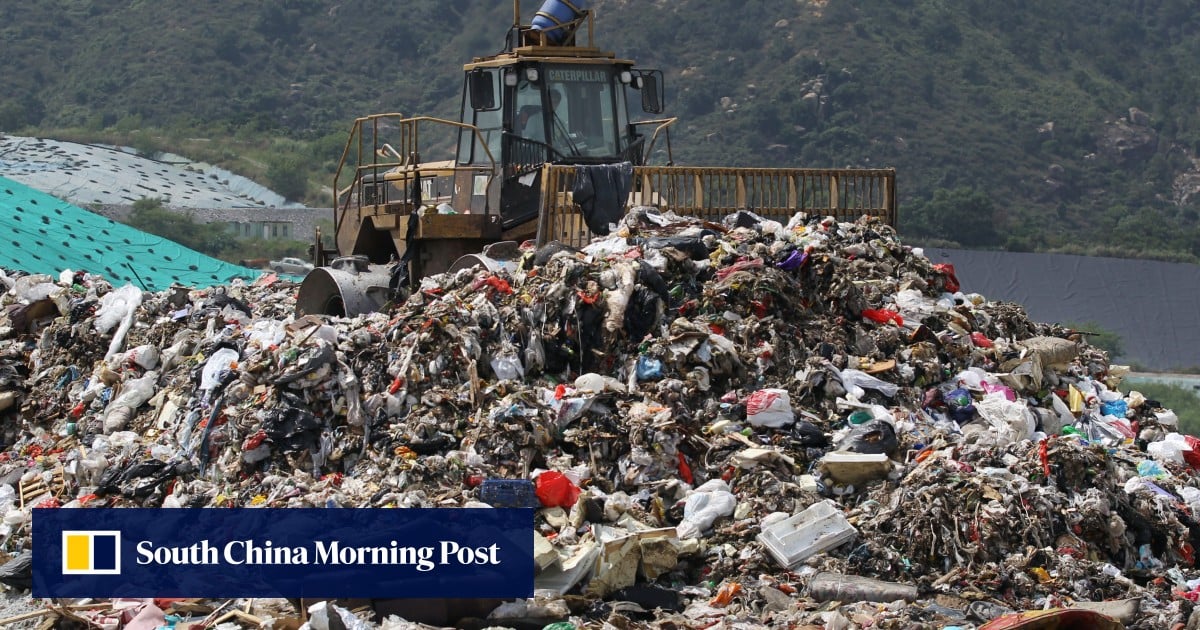
Hong Kong's landfill waste data gaps are raising concerns about the effectiveness of the city's green initiatives. Experts warn that without accurate data, efforts to improve waste management and reduce landfill reliance may be severely hindered.
Introduction
Hong Kong, a bustling metropolis known for its vibrant culture and economic prowess, is facing a significant challenge in its waste management efforts. Recent findings indicate that unclassified landfill waste data is undermining the city’s green initiatives, raising alarms among environmentalists and policymakers alike.
The Importance of Accurate Waste Data
Accurate waste data is crucial for understanding the composition and volume of waste generated in Hong Kong. It informs the development of effective waste management strategies and policies aimed at reducing landfill reliance and promoting recycling and composting. However, the lack of comprehensive and classified data on landfill waste is leading to a misrepresentation of the actual waste situation in the city.
Current State of Landfill Waste in Hong Kong
According to the latest reports, Hong Kong's landfills are nearing capacity, with projections indicating that they could be full within the next few years if current waste generation trends continue. The city’s waste management system is heavily reliant on landfilling, which accounts for a significant portion of waste disposal. Yet, without detailed data on what types of waste are being sent to landfills, it becomes increasingly difficult to implement effective waste reduction strategies.
Expert Opinions
Environmental experts have voiced their concerns regarding the implications of these data gaps. Dr. Alice Wong, an environmental scientist at the University of Hong Kong, stated, "Without accurate data, we cannot identify the key areas where improvements are needed. This hampers our ability to create targeted policies that could significantly reduce waste generation and improve recycling rates."
Impact on Green Initiatives
The Hong Kong government has launched various green initiatives aimed at promoting sustainability and reducing waste. These include the Waste Disposal (Amendment) Bill, which aims to introduce a waste charging scheme, and the promotion of recycling programs across the city. However, the effectiveness of these initiatives is being questioned due to the lack of reliable data.
For instance, the government’s recycling programs are designed based on estimated figures rather than concrete data. This has led to a mismatch between the programs’ objectives and the actual waste composition, resulting in inefficiencies and underperformance.
Calls for Action
In light of these challenges, various stakeholders are calling for immediate action to address the data gaps. The Hong Kong Environmental Protection Department (EPD) has been urged to enhance its data collection methods and ensure that waste data is classified and updated regularly. This would not only improve transparency but also enable more effective waste management strategies.
Moreover, collaboration between government agencies, academic institutions, and the private sector is essential to develop a comprehensive waste database. Such a database would allow for better monitoring of waste trends and facilitate informed decision-making.
Conclusion
The issue of unclassified landfill waste data in Hong Kong poses a significant barrier to the city’s environmental efforts. As Hong Kong strives to become a more sustainable city, addressing these data gaps is imperative. Only by ensuring accurate and comprehensive waste data can the city hope to implement effective waste management strategies that will safeguard its environment for future generations.