Crude Oil Prices Surge Amid Concerns Over Iran Ceasefire
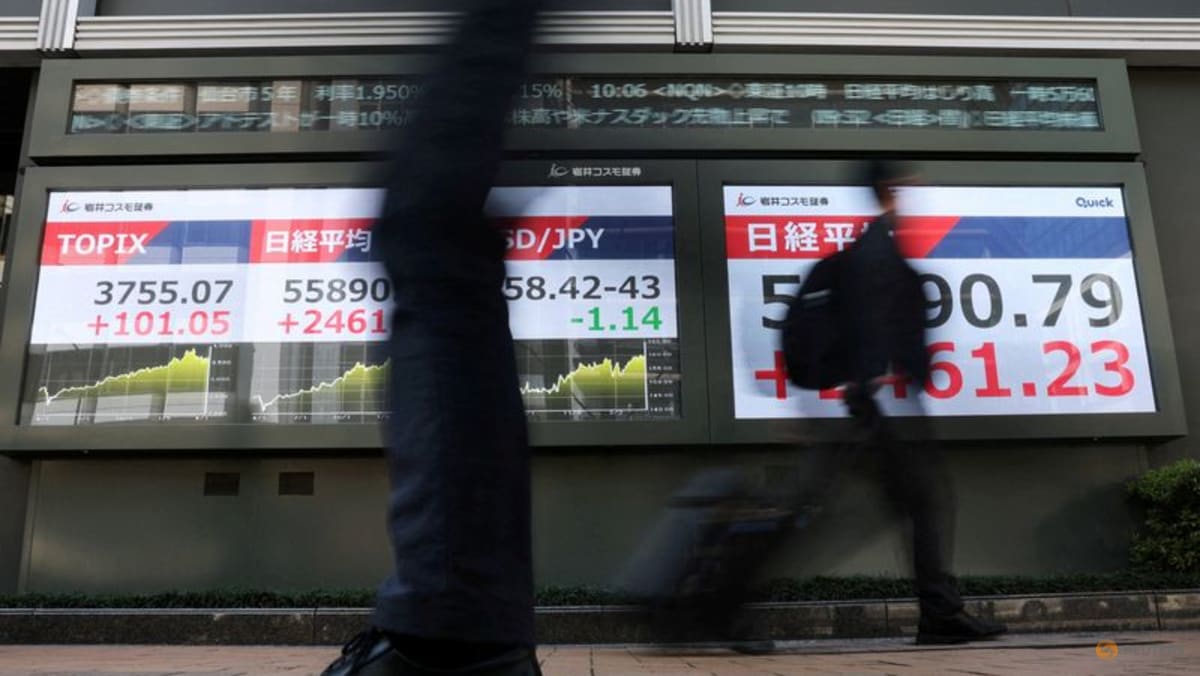
Crude oil prices have risen sharply as fears mount regarding the stability of a ceasefire in Iran. Meanwhile, global stock markets have reacted negatively to the uncertainty surrounding the situation.
Introduction
In a turbulent turn of events, crude oil prices have seen a significant rise, driven by growing concerns over the fragile ceasefire in Iran. This development has not only impacted the energy market but has also reverberated across global stock markets, which have experienced a downturn amid the uncertainty.
Crude Oil Prices on the Rise
As of the latest reports, crude oil prices have surged by over 3%, reaching levels not seen in several months. Analysts attribute this increase to the instability surrounding the ceasefire agreement in Iran, a country that plays a pivotal role in the global oil supply chain. The potential for renewed conflict in the region has raised alarms among investors, prompting them to adjust their strategies in response to the shifting geopolitical landscape.
Impact on Global Stock Markets
In reaction to the rising oil prices, global stock markets have taken a hit. Major indices across Europe and Asia have reported declines, with investors expressing concerns about the implications of higher energy costs on economic growth. The uncertainty surrounding Iran's ceasefire has led to a cautious approach among traders, who fear that escalating tensions could lead to further disruptions in oil supply, thereby exacerbating inflationary pressures worldwide.
Iran's Ceasefire Situation
The ceasefire in Iran, which was initially welcomed as a step towards stability in the region, now appears to be precarious. Reports indicate that while there have been efforts to maintain peace, underlying tensions remain, with various factions within the country expressing dissent. The international community is closely monitoring the situation, as any breakdown in the ceasefire could have far-reaching consequences not only for Iran but also for the global economy.
Market Reactions
Market analysts are divided on the potential long-term effects of the current situation. Some believe that if the ceasefire holds, oil prices could stabilize, leading to a rebound in stock markets. Others, however, warn that the geopolitical risks associated with Iran could lead to sustained volatility in both the oil and equity markets. The uncertainty has prompted many investors to seek safer assets, further contributing to the downward pressure on stocks.
Future Outlook
As the situation in Iran continues to evolve, market participants are advised to remain vigilant. The interplay between geopolitical events and market dynamics will be crucial in shaping the outlook for crude oil prices and stock markets in the coming weeks. Investors are encouraged to keep a close eye on developments in Iran and adjust their portfolios accordingly to navigate the potential risks ahead.
Conclusion
The recent surge in crude oil prices and the subsequent decline in global stock markets underscore the intricate relationship between geopolitical stability and economic performance. As the world watches Iran, the implications of the ceasefire's fragility extend beyond the region, affecting markets and economies on a global scale. The coming days will be critical in determining whether the ceasefire can hold and how markets will respond to the evolving situation.