Concerns Raised Over Hong Kong Bank Access for Mainland Investors
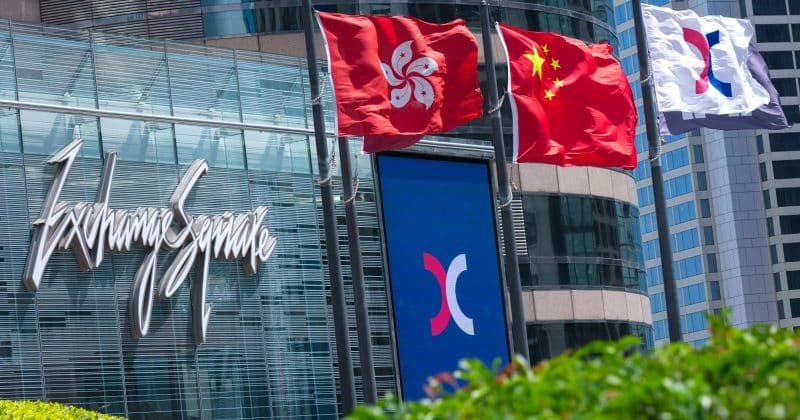
Chinese authorities have expressed concerns regarding the accessibility of Hong Kong banks for mainland investors. This issue could have significant implications for cross-border financial activities and the broader economic relationship between Hong Kong and mainland China.
Introduction
In a significant development that could impact the financial landscape of Hong Kong, Chinese authorities have raised concerns over the access that mainland investors have to Hong Kong banks. This issue comes at a time when the Hong Kong financial sector is striving to maintain its status as a global financial hub amidst increasing scrutiny and regulatory changes.
Background
Hong Kong has long been regarded as a gateway for mainland Chinese investors looking to tap into global markets. The city’s banking system offers a range of services that are often more accessible than those available on the mainland. However, recent regulatory shifts and geopolitical tensions have prompted a reevaluation of this dynamic.
Concerns from Chinese Authorities
According to sources, Chinese regulators are worried that the current framework allows for too much ease of access for mainland investors to Hong Kong banks. This concern stems from the potential for capital flight and the risk of undermining the Chinese government's control over its financial system. The authorities are particularly focused on ensuring that investments made by mainland citizens do not circumvent domestic regulations.
Impact on Financial Transactions
The implications of these concerns are far-reaching. If restrictions are imposed on mainland investors accessing Hong Kong banks, it could lead to a decrease in cross-border financial transactions. This would not only affect individual investors but could also have a ripple effect on businesses that rely on Hong Kong's banking services for international trade and investment.
Potential Regulatory Changes
In light of these concerns, there is speculation that regulatory changes may be on the horizon. Authorities may implement stricter compliance measures for banks operating in Hong Kong, particularly those that cater to mainland clients. This could include enhanced due diligence processes and limitations on the types of accounts that mainland investors can open.
Reactions from the Financial Community
The financial community in Hong Kong has responded with a mix of apprehension and pragmatism. Some industry experts argue that while it is essential for regulators to safeguard the financial system, overly restrictive measures could deter foreign investment and undermine Hong Kong's competitive edge. Others believe that a balanced approach can be achieved, allowing for both regulatory oversight and continued access for mainland investors.
Broader Economic Implications
The potential changes to banking access for mainland investors could also have broader economic implications. Hong Kong's economy is heavily reliant on its financial services sector, which contributes significantly to its GDP. A decline in investment from mainland China could lead to slower economic growth and affect employment rates within the financial sector.
Conclusion
As discussions continue regarding the future of banking access for mainland investors in Hong Kong, the financial community is left to navigate an uncertain landscape. The balance between regulatory compliance and maintaining Hong Kong's status as a financial hub will be crucial in the coming months. Stakeholders will be closely monitoring developments to assess how these concerns will shape the future of cross-border financial activities.