Closure of Independent Bookshops Signals Troubling Shift in Freedom of Expression
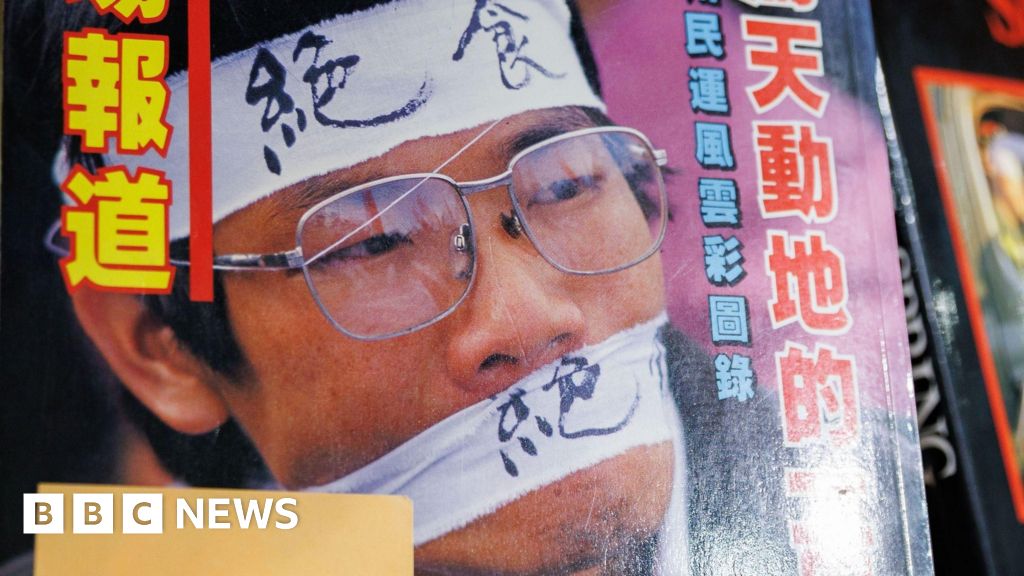
Independent bookshops in Mainland China, which once served as safe havens for diverse literature and free thought, are now facing closures. This trend raises concerns about the diminishing space for questioning and critical discourse in Chinese society.
Independent Bookshops Under Threat
In recent months, a wave of closures has swept through independent bookshops across Mainland China, marking a troubling trend in the landscape of freedom of expression and access to diverse literature. These bookshops, which have long served as bastions for critical thought and discussion, are now being forced to shut their doors, leaving readers with fewer options for exploring ideas that diverge from the official narrative.
A Safe Haven for Free Thought
For many years, independent bookshops in China have provided a unique platform for readers to engage with a range of perspectives, from local authors to international voices. These spaces have been crucial in fostering a culture of questioning and dialogue, allowing citizens to explore topics that are often deemed sensitive or taboo by the state. However, the recent closures signal a tightening grip on freedom of expression, as the government continues to impose stricter regulations on literature and media.
The Impact of Censorship
The closures are not merely a business decision; they reflect a broader climate of censorship that has intensified in recent years. Bookshops that dared to stock works critical of the government or those that offered alternative viewpoints have faced scrutiny and pressure from authorities. Many owners have reported harassment and intimidation, leading to a chilling effect that has forced them to reconsider their operations.
Voices of Concern
Authors, intellectuals, and activists have expressed alarm over the diminishing space for free thought in China. Prominent writer Yan Ge noted, "Independent bookshops are essential for nurturing a culture of reading and critical thinking. Their closure is a loss not just for literature but for society as a whole." The sentiment is echoed by many who believe that the ability to question and challenge ideas is fundamental to a healthy society.
Government's Stance
The Chinese government has long maintained that it seeks to promote stability and harmony, often justifying censorship as a means to achieve these goals. However, critics argue that this approach stifles creativity and innovation, ultimately harming the nation’s cultural and intellectual development. The closures of these bookshops are seen as part of a broader strategy to control the narrative and limit dissent.
Community Response
In response to the closures, many communities have rallied to support their local bookshops, organizing events and campaigns to raise awareness about the importance of independent literature. Book fairs and online platforms have emerged as alternative venues for authors and readers to connect, fostering a sense of solidarity among those who value free expression.
The Future of Literature in China
As the landscape of literature in Mainland China continues to evolve, the future of independent bookshops remains uncertain. While the current environment poses significant challenges, the resilience of readers and writers suggests that the desire for diverse voices and critical discourse will persist. The ongoing struggle for freedom of expression in China is far from over, and the fate of independent bookshops will likely play a pivotal role in shaping the cultural narrative in the years to come.
Conclusion
The closure of independent bookshops in Mainland China is a stark reminder of the fragile state of freedom of expression in the country. As these spaces disappear, the challenge remains for citizens to find new ways to engage with literature and ideas that encourage questioning and critical thought. The fight for a more open and inclusive literary landscape is crucial not only for the future of literature but for the broader society as well.