Closure of Independent Bookshops Signals Growing Censorship in China
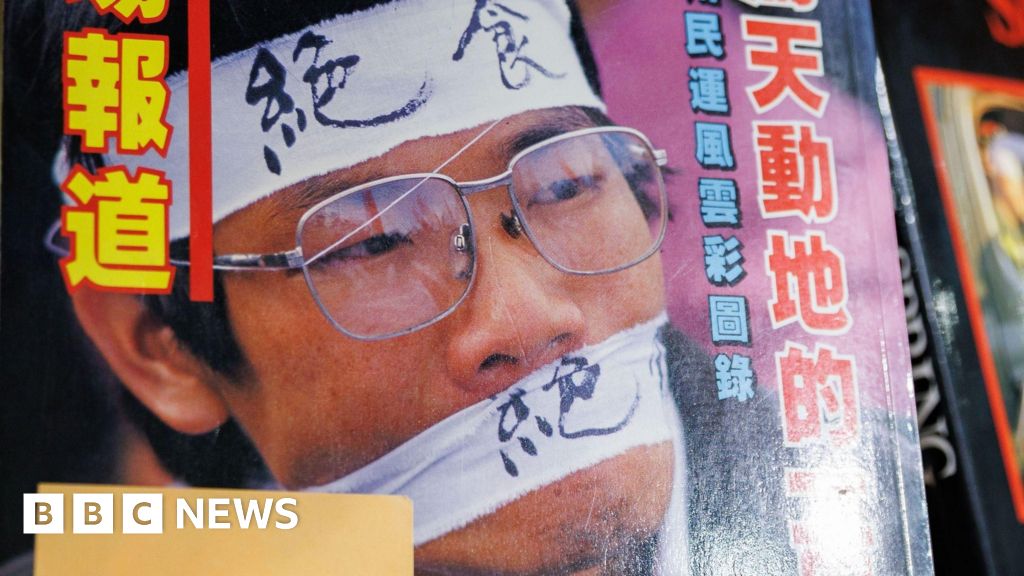
Independent bookshops in China, which once provided a platform for diverse voices and critical thought, are increasingly facing closure. This trend highlights the tightening grip of censorship and the challenges for free expression in the country.
Independent Bookshops Under Threat
In recent years, independent bookshops in Mainland China have emerged as vital spaces for intellectual discourse and the exchange of ideas. However, a troubling trend has surfaced as many of these establishments are being forced to close their doors. The closures reflect a broader crackdown on free expression and the tightening grip of censorship in the country.
Spaces for Dissent
These independent bookshops have played a crucial role in providing Chinese readers with access to literature that questions the status quo. They have offered a platform for authors and thinkers who challenge the government’s narrative, fostering a culture of critical engagement. Titles that explore sensitive topics, including democracy, human rights, and historical events, have found a home in these stores, allowing for a dialogue that is often stifled in mainstream media.
Government Crackdown
However, as the Chinese government continues to tighten its control over public discourse, many of these bookshops are facing increasing pressure. Reports indicate that local authorities have begun to target independent bookstores, citing vague regulations and licensing issues as reasons for their closure. This has left many owners feeling vulnerable and uncertain about their future.
Impact on Readers and Authors
The closure of these bookshops has significant implications for both readers and authors in China. For readers, it means a diminishing access to diverse perspectives and critical literature. For authors, particularly those who write about sensitive subjects, it creates an environment of fear and self-censorship. Many writers are now reconsidering their work, knowing that their books may never find a place on the shelves of a bookstore.
Community Response
In response to the closures, some communities have rallied to support their local bookstores. Events such as book readings and discussions have been organized to draw attention to the importance of these spaces. However, such efforts are often met with resistance from authorities, further complicating the fight for free expression in China.
The Future of Independent Bookshops
As the landscape for independent bookshops in China continues to change, the future remains uncertain. While some owners have adapted by moving online or diversifying their offerings, the core issue of censorship persists. The struggle for these bookstores is not just about survival; it is about preserving the right to question and to think critically.
Global Implications
The situation in China resonates beyond its borders, raising concerns among international observers about the state of free expression worldwide. As independent bookstores close, the implications for a society that values diverse voices and critical thought are profound. The global community watches closely, hoping for a resurgence of spaces where ideas can flourish without fear of reprisal.
Conclusion
The closure of independent bookshops in Mainland China is a stark reminder of the challenges faced by those who dare to question authority. As these spaces disappear, so too does the opportunity for open dialogue and the exchange of ideas. The future of literature and free expression in China hangs in the balance, and the world must pay attention.