Closure of Independent Bookshops Signals Diminishing Space for Dissent in China
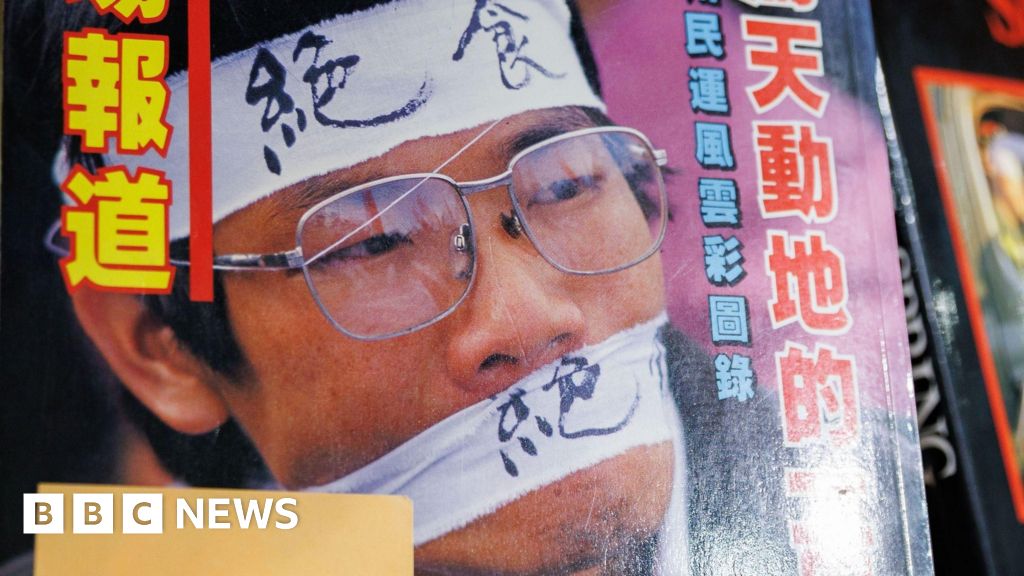
The recent closure of independent bookshops in China highlights the shrinking space for free expression and dissenting voices. As these cultural hubs disappear, many fear for the future of literary discourse and critical thought in the country.
Introduction
In recent months, a wave of closures has swept through independent bookshops across Mainland China, raising alarms about the diminishing space for free expression and dissenting voices. These establishments, which once served as cultural hubs for readers seeking diverse perspectives, are now facing increasing pressure from authorities, leading to fears about the future of literary discourse in the country.
The Role of Independent Bookshops
Independent bookshops in China have long been more than just retail spaces; they have been vital platforms for intellectual exchange and cultural dialogue. Many of these shops curated selections that included works by banned authors, critical literature, and translated foreign texts, offering readers a glimpse into ideas that challenge the official narrative. They became sanctuaries for those seeking to question societal norms and engage in discussions often stifled in public forums.
Government Crackdown
However, the Chinese government's tightening grip on freedom of expression has taken a toll on these establishments. In recent years, authorities have ramped up surveillance and censorship, targeting not only publishers and authors but also the venues that promote their works. Bookshops that once thrived on the diversity of thought are now facing closure, with many owners citing government pressure as a primary reason for shutting their doors.
Case Studies
One notable example is the closure of the popular bookshop, “The Bookworm,” in Beijing, which had been a favorite among intellectuals and expatriates alike. Its owner, after years of operating in a climate of increasing censorship, decided to close the shop, stating that it had become increasingly difficult to source books that aligned with the shop's mission of promoting free thought.
Another case is the “Eslite Bookstore” in Shanghai, which was forced to limit its selection and events due to government restrictions. Once a vibrant space for literary discussions and cultural events, it has seen a significant decline in its ability to host authors and engage with the community.
Impact on Readers and Authors
The closure of these bookshops has profound implications for readers and authors alike. For readers, the loss of access to diverse literature means a narrowing of perspectives and a retreat into state-sanctioned narratives. This not only stifles creativity but also limits critical thinking and the ability to engage with differing viewpoints.
Authors, particularly those whose works challenge the status quo, find themselves increasingly isolated. With fewer platforms to share their ideas, many are forced to self-censor or seek publication outside of China, which presents its own set of challenges.
The Future of Literary Discourse
As the landscape of independent bookshops continues to shrink, the future of literary discourse in China appears bleak. The closures serve as a stark reminder of the lengths to which the government will go to control the narrative and suppress dissent. While some readers may turn to online platforms and international publishers, the lack of physical spaces for discussion and engagement poses a significant challenge for the cultivation of a vibrant literary community.
Conclusion
The closure of independent bookshops in Mainland China is not merely a trend; it is a reflection of the broader societal issues concerning freedom of expression and the right to dissent. As these cultural spaces disappear, the voices of dissent grow quieter, leaving many to wonder what the future holds for literature and critical thought in a country increasingly defined by its restrictions.