Chinese Tech Companies Accelerate Expansion into Hong Kong Amid Regulatory Changes
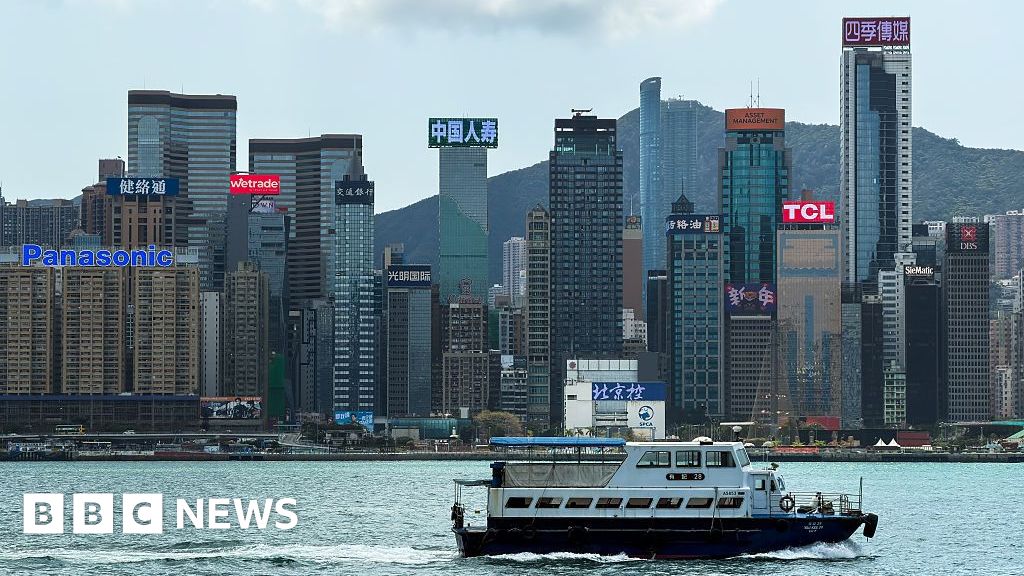
Chinese technology firms are increasingly establishing operations in Hong Kong, driven by the city's favorable business environment and regulatory changes. This trend reflects a strategic pivot as companies seek to navigate global challenges and enhance their market presence.
Introduction
In a significant shift in the landscape of the tech industry, Chinese tech companies are racing to set up operations in Hong Kong. This trend is primarily driven by the city's unique position as a gateway to international markets, coupled with recent regulatory changes that make it an attractive destination for businesses looking to expand.
Regulatory Environment
Over the past few years, Hong Kong has undergone a transformation in its regulatory framework, particularly in response to the evolving needs of the tech sector. The Hong Kong government has introduced various initiatives aimed at fostering innovation and attracting foreign investment. These include tax incentives, streamlined business registration processes, and a commitment to enhancing the city's digital infrastructure.
Strategic Advantages
For many Chinese tech firms, Hong Kong offers a strategic advantage that is hard to ignore. The city boasts a robust financial ecosystem, a well-established legal system, and a workforce that is proficient in both Chinese and English. This bilingual environment allows companies to communicate effectively with international clients and partners, thereby facilitating smoother business operations.
Market Access
Hong Kong's proximity to Mainland China also provides a unique opportunity for tech companies to access one of the largest consumer markets in the world. By establishing a presence in Hong Kong, these firms can leverage the city's international connections while maintaining close ties to their home market. This dual advantage is particularly appealing in an era where global supply chains are being re-evaluated and companies are looking for ways to mitigate risks.
Examples of Companies Expanding
Several notable Chinese tech giants have already made significant moves into Hong Kong. For instance, companies like Alibaba and Tencent have expanded their operations in the city, establishing offices that focus on research and development, as well as regional management. These expansions not only reflect their confidence in Hong Kong's business environment but also signify a broader trend among Chinese firms seeking to diversify their operations and reduce reliance on the Mainland.
Challenges and Considerations
Despite the advantages, the transition is not without its challenges. Companies must navigate the complexities of operating in a city that has seen increasing political tensions and social unrest in recent years. The changing political landscape may pose risks, particularly for firms that rely heavily on foreign investments or partnerships. Additionally, companies must remain agile and adaptable to the shifting regulatory environment, ensuring compliance while pursuing growth opportunities.
The Future of Tech in Hong Kong
Looking ahead, the future of the tech industry in Hong Kong appears promising. As more Chinese firms establish a presence in the city, it is likely that we will see a burgeoning tech ecosystem characterized by collaboration and innovation. This growth could also lead to increased competition, driving companies to enhance their offerings and invest in new technologies.
Conclusion
In conclusion, the influx of Chinese tech companies into Hong Kong represents a significant development in the global business landscape. As these firms seek to capitalize on the city's strategic advantages and favorable regulatory environment, they are not only reshaping their own futures but also contributing to the overall growth and dynamism of Hong Kong's economy. As the world continues to change, the role of Hong Kong as a tech hub will be crucial in determining the trajectory of the industry in the region.