Chinese Dissident Granted Asylum in the U.S. After Exposing Human Rights Abuses
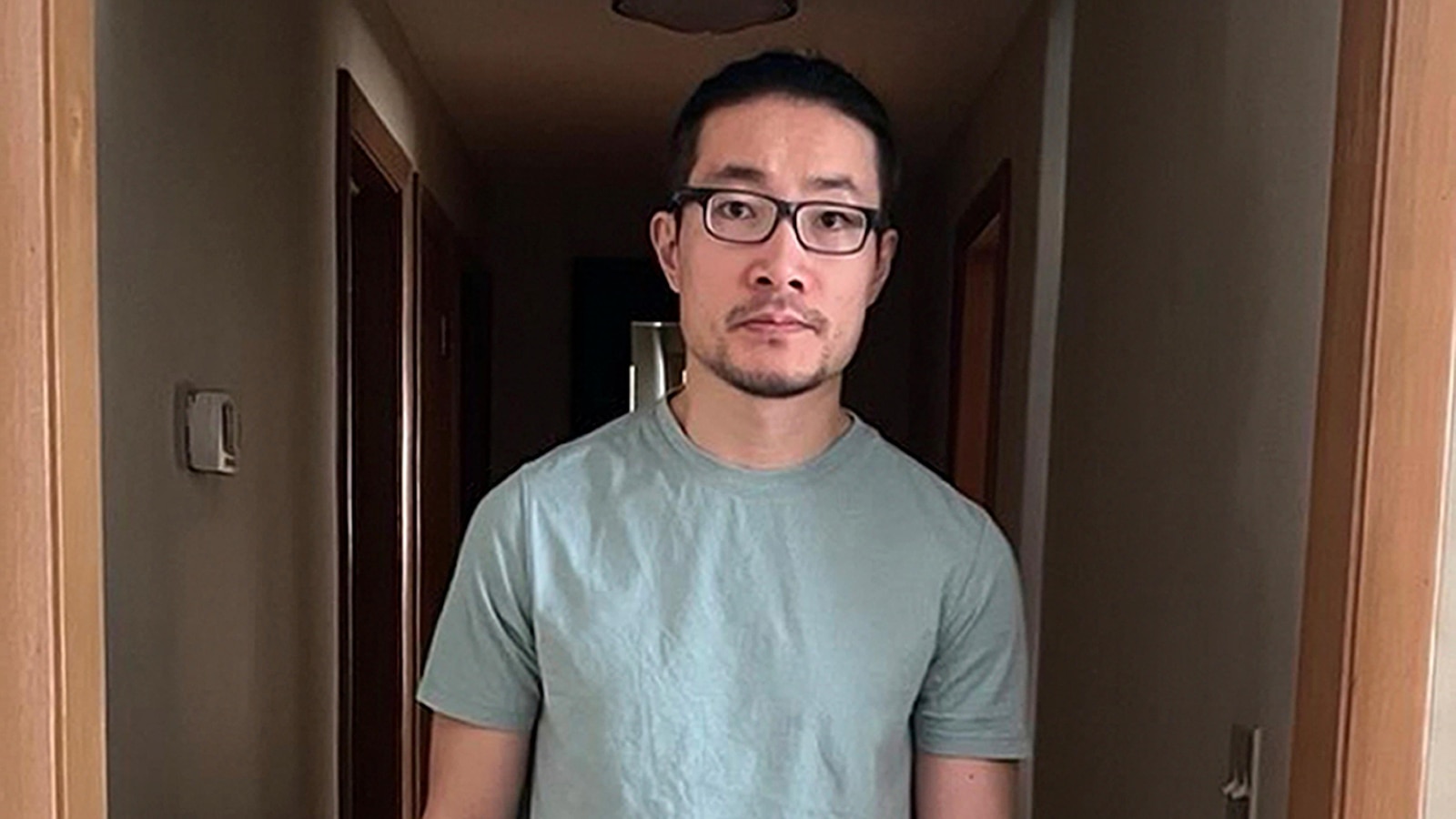
A Chinese national who bravely exposed human rights violations in China has been granted asylum in the United States after a period of detention. This case highlights ongoing concerns regarding human rights abuses in China and the plight of dissidents seeking refuge abroad.
Chinese Dissident Granted Asylum in the U.S.
A Chinese national who courageously exposed human rights abuses in China has been granted asylum in the United States, marking a significant moment for advocates of human rights and freedom of expression. The individual, whose identity has been kept confidential for safety reasons, was released from U.S. detention after a lengthy process that underscored the challenges faced by dissidents fleeing oppressive regimes.
Background of the Case
The individual, who had been living in the U.S. on a temporary visa, was detained after immigration authorities questioned the validity of their asylum claims. The case drew considerable attention from human rights organizations and activists who rallied for the release of the dissident, arguing that their work in exposing the Chinese government's abuses warranted protection under international law.
Human Rights Abuses in China
China has faced increasing scrutiny for its human rights record, particularly in relation to its treatment of ethnic minorities, political dissidents, and activists. Reports of forced labor, arbitrary detention, and censorship have been prevalent, leading many to flee the country in search of safety and freedom. The plight of those who speak out against the regime is often perilous, with many facing severe repercussions, including imprisonment and torture.
The Asylum Process
The asylum process in the United States can be complex and daunting, especially for individuals from countries with poor human rights records. The legal journey often involves navigating a labyrinth of immigration laws and regulations, with applicants needing to provide substantial evidence of persecution or a well-founded fear of future persecution. In this case, the dissident's testimony, along with corroborating evidence from human rights organizations, played a crucial role in securing asylum.
Reactions from Human Rights Advocates
The granting of asylum has been met with widespread approval from human rights advocates. Many see it as a victory not only for the individual but also for the broader movement advocating for human rights in China. “This case highlights the importance of protecting those who risk their lives to expose abuses,” said a spokesperson for a prominent human rights organization. “It sends a message that the U.S. stands with those who fight for freedom and justice.”
Implications for U.S.-China Relations
The decision to grant asylum could have implications for U.S.-China relations, which have been strained over various issues, including trade, technology, and human rights. As the U.S. continues to confront China on its human rights record, actions like this may further complicate diplomatic relations. However, many argue that prioritizing human rights is essential for the U.S. to maintain its moral standing on the global stage.
Looking Ahead
As the individual begins their new life in the United States, the focus will shift to the ongoing challenges faced by other dissidents and activists still in China. The international community must remain vigilant and supportive of those who continue to speak out against oppression, ensuring that their voices are heard and their rights protected. The case serves as a reminder of the sacrifices made by many in the pursuit of freedom and justice, and the importance of standing in solidarity with those who dare to challenge the status quo.