Chinese Company Seeks $1.5 Billion in Damages over Panama Canal Port Ouster
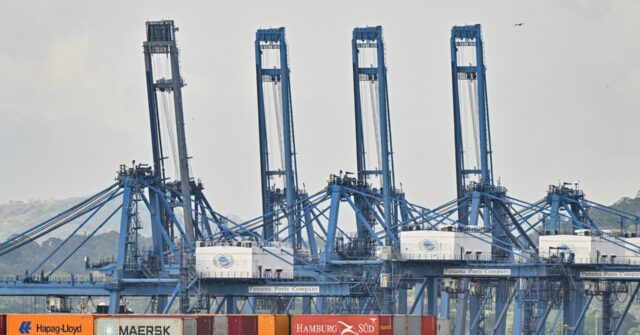
A Chinese company is pursuing $1.5 billion in damages following its ouster from a port project in the Panama Canal. This legal action highlights the ongoing tensions and complexities in international business dealings, particularly involving Chinese investments abroad.
Chinese Company Seeks $1.5 Billion in Damages over Panama Canal Port Ouster
In a significant legal move, a Chinese company is seeking $1.5 billion in damages after being removed from a major port project in the Panama Canal. This development underscores the complexities and challenges faced by Chinese firms operating in international markets, particularly in regions with intricate political and economic dynamics.
The company, which has not been publicly named in all reports, was involved in a project that aimed to enhance the capacity and efficiency of the Panama Canal, a crucial maritime route that facilitates global trade. However, the Panamanian government recently decided to terminate the contract, citing concerns over compliance and operational standards.
This decision has sparked outrage from the Chinese firm, which argues that the termination was unjustified and detrimental to their business interests. In a statement released to the press, the company expressed its disappointment and indicated that it would pursue all legal avenues to seek redress for what it describes as a breach of contract.
The Broader Implications of the Dispute
This legal battle is not just a matter of financial compensation; it reflects the broader tensions between China and various nations regarding investment and infrastructure projects. Chinese investments in foreign countries have often been met with skepticism, particularly in regions where there are concerns about sovereignty and control over critical infrastructure.
The Panama Canal, a vital artery for global shipping, has been a focal point for international investments, and the involvement of Chinese companies has raised alarms among local stakeholders and international observers. Critics argue that such investments can lead to over-reliance on foreign entities, potentially compromising national interests.
Historical Context
The Panama Canal has a storied history, having undergone significant changes in ownership and management since its completion in the early 20th century. The United States controlled the canal until the late 1990s, when it was handed over to Panama. Since then, the canal has seen various international investments aimed at modernization and expansion, with Chinese companies playing a prominent role in recent years.
However, the relationship between China and Panama has been fraught with challenges. While the two countries established diplomatic ties in 2017, the dynamics of investment and infrastructure development have often been contentious. The current legal dispute is likely to exacerbate these tensions, as both sides prepare for a potentially lengthy legal battle.
Future of Chinese Investments in Latin America
This incident raises critical questions about the future of Chinese investments in Latin America. As countries in the region grapple with their economic needs and the implications of foreign investments, the balance between attracting capital and maintaining sovereignty will be increasingly scrutinized.
Experts suggest that the outcome of this case could set a precedent for future dealings between Chinese companies and Latin American governments. If the Chinese firm prevails, it may embolden other companies to pursue similar legal actions in the face of contract disputes. Conversely, a ruling against the company could deter future investments from China, as firms reassess the risks associated with operating in politically sensitive environments.
Conclusion
The $1.5 billion damages claim by the Chinese company is a clear indication of the complexities involved in international business, especially in regions where political and economic interests intersect. As the case unfolds, it will be essential to monitor its impact on the broader landscape of Chinese investments in Latin America and the implications for global trade.