Chinese AI Groups Surge Ahead in Video Generation Technology
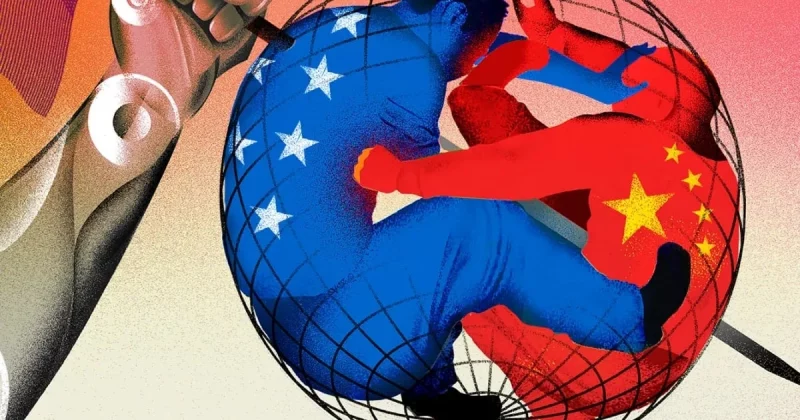
Chinese artificial intelligence companies are making significant strides in video generation capabilities, outpacing their American counterparts. This rapid advancement is reshaping the landscape of digital content creation and sparking a competitive race in the tech industry.
Introduction
In a groundbreaking development within the realm of artificial intelligence, Chinese companies are emerging as frontrunners in the video generation technology sector. This advancement not only highlights the rapid pace of innovation in Mainland China but also raises questions about the global balance of power in AI technologies.
Leading the Charge
Several Chinese AI firms, including industry giants and startups alike, have made remarkable progress in creating sophisticated video generation tools that leverage deep learning and neural networks. These technologies enable the automatic production of high-quality videos, which can be tailored for various applications, from entertainment to marketing.
Comparison with US Rivals
While American tech companies have historically dominated the AI landscape, recent developments indicate a shift. Chinese firms are not only matching but, in some cases, surpassing their U.S. counterparts in terms of innovation and application. This is particularly evident in areas such as real-time video synthesis, where Chinese AI systems have demonstrated superior capabilities.
Technological Advancements
The key to this success lies in the extensive data resources and investment in research and development that Chinese companies have access to. With a vast population generating massive amounts of digital content daily, these firms can train their AI models on diverse datasets, enabling them to produce more refined and contextually relevant video outputs.
Applications and Implications
The implications of this technological leap are profound. Industries ranging from entertainment to education are beginning to harness the power of AI-generated videos. For instance, content creators can now produce personalized video messages at scale, while educators can develop engaging learning materials that cater to diverse learning styles.
Challenges Ahead
Despite these advancements, Chinese AI firms face several challenges. Issues related to intellectual property rights, ethical considerations, and the potential for misuse of technology are pressing concerns. As these companies continue to innovate, they must also navigate the complex regulatory landscape both domestically and internationally.
Global Response
The rapid progress of Chinese AI groups has prompted a response from the United States and other nations. Policymakers are increasingly aware of the need to bolster their own AI capabilities to remain competitive. This has led to discussions around increased funding for research, collaboration between tech companies and universities, and the establishment of ethical guidelines for AI development.
Conclusion
The race in video generation technology exemplifies the broader competition in the AI sector. As Chinese companies continue to innovate and expand their capabilities, the global tech landscape is poised for significant shifts. The outcome of this competition will not only influence the future of digital content creation but also set the stage for the next era of technological advancement.