China Warns of ‘Law of the Jungle’ as US Exits Global Bodies
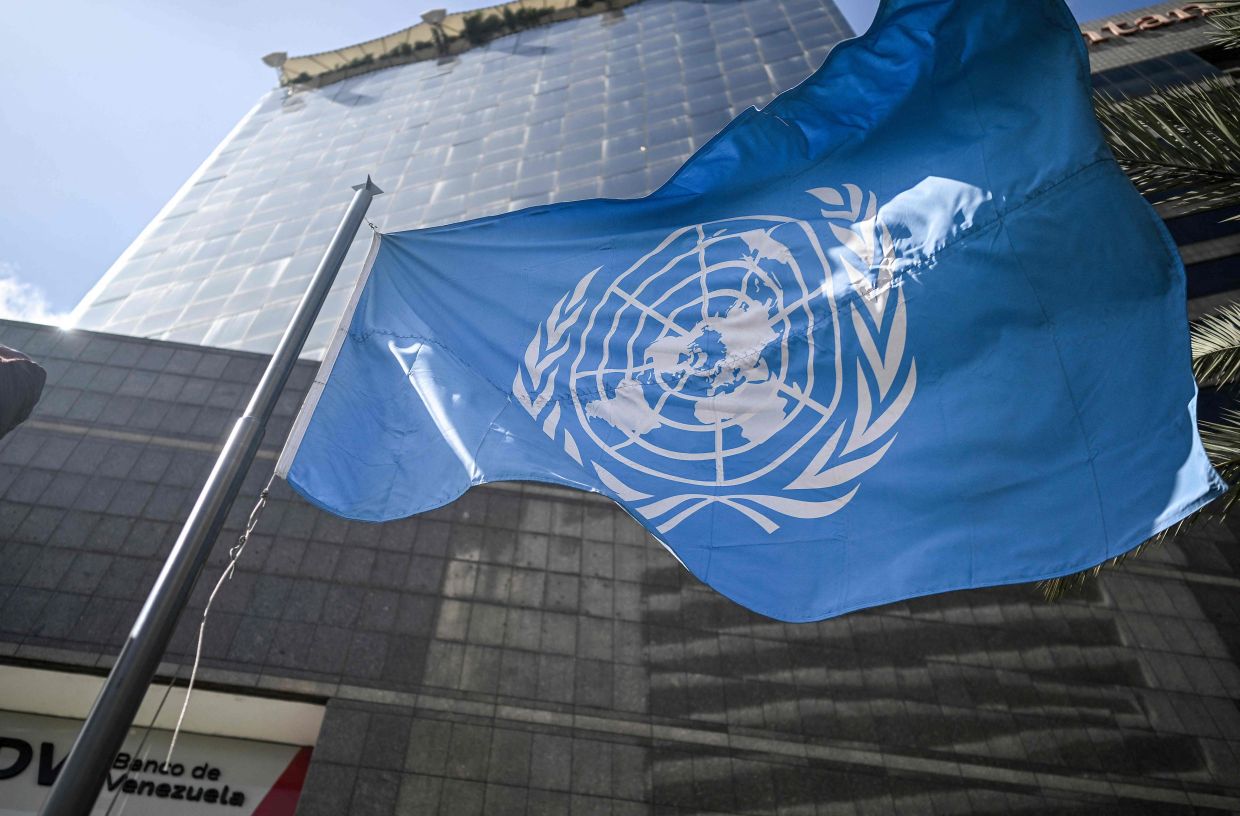
China has issued a stern warning regarding the implications of the United States' withdrawal from key international organizations. This move, according to Chinese officials, threatens global stability and promotes a 'law of the jungle' mentality in international relations.
China's Concerns Over US Withdrawal from Global Organizations
In a recent statement, Chinese officials have expressed deep concerns about the United States' ongoing trend of withdrawing from various international bodies. This shift, they argue, not only undermines global cooperation but also fosters a dangerous 'law of the jungle' mentality in international relations, where might supersedes right.
Implications for Global Governance
The Chinese government has been vocal about the potential repercussions of the US's exit from organizations such as the World Health Organization (WHO) and the Paris Agreement on climate change. These withdrawals, according to Chinese Foreign Minister Wang Yi, signal a retreat from multilateralism and a disregard for collective action in addressing pressing global issues.
China's Call for Multilateralism
Wang Yi emphasized the importance of multilateralism in maintaining global peace and stability. He urged nations to work together to combat challenges such as climate change, pandemics, and geopolitical tensions. The Chinese leadership believes that a collaborative approach is essential to navigate the complexities of the modern world, contrasting sharply with what they perceive as the US's unilateralist tendencies.
The ‘Law of the Jungle’ Metaphor
The phrase 'law of the jungle' has been used by Chinese officials to describe a world order where power dynamics dictate international relations, rather than established rules and norms. This metaphor suggests that without a commitment to multilateralism, international relations could devolve into a competitive and chaotic environment, where stronger nations impose their will on weaker ones.
Reactions from the International Community
China's warnings have garnered mixed reactions from the international community. Some nations share concerns about the implications of US isolationism, while others view it as an opportunity to strengthen their own positions on the global stage. The European Union, for instance, has expressed a desire to enhance its role in international governance, potentially filling the void left by the US.
China's Position on Global Leadership
As the US steps back from its traditional role as a global leader, China is positioning itself as a champion of multilateralism. Beijing has been actively promoting initiatives such as the Belt and Road Initiative (BRI) and participating in international forums to assert its influence. Chinese President Xi Jinping has repeatedly called for a more inclusive global governance system that reflects the interests of developing countries.
Future of US-China Relations
The ongoing tensions between the US and China complicate the landscape of international relations. While both nations recognize the need for cooperation on global challenges, their diverging approaches to governance and diplomacy continue to fuel rivalry. The US's withdrawal from international bodies could exacerbate these tensions, leading to a more fragmented world order.
Conclusion
As the US continues to redefine its role in global governance, China's warnings about the dangers of a 'law of the jungle' mentality serve as a reminder of the importance of multilateralism. The future of international relations will depend on the ability of nations to collaborate and address shared challenges, rather than succumbing to isolationism and competition.