China Tightens Hong Kong IPO Rules to Curb Capital Outflows
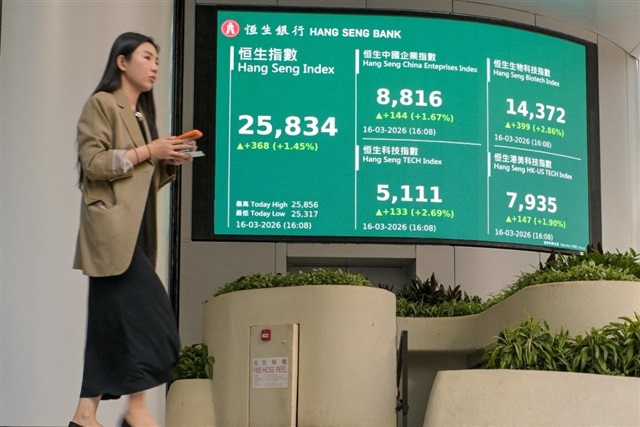
In a significant move to stabilize its financial markets, China has introduced stricter regulations on Hong Kong's IPO landscape, particularly affecting red-chip listings. These changes aim to mitigate capital outflows and strengthen the overall investment climate in the region.
Introduction
In a decisive effort to rein in capital outflows and bolster its financial stability, the Chinese government has announced new regulations impacting initial public offerings (IPOs) in Hong Kong. This move particularly targets red-chip companies, which are firms incorporated outside of mainland China but have significant operations within the country. The tightening of these rules is expected to reshape the landscape of Hong Kong's IPO market, which has been a vital conduit for Chinese companies seeking international capital.
Background on Red-Chip Listings
Red-chip companies have played a crucial role in Hong Kong's financial ecosystem, allowing Chinese firms to access global investors while circumventing some of the restrictions imposed by mainland regulations. However, as capital outflows have surged, particularly amid economic uncertainties and geopolitical tensions, the Chinese government has become increasingly concerned about the implications of these listings on its financial sovereignty.
Details of the New Regulations
The newly implemented regulations impose stricter criteria for red-chip listings, including enhanced scrutiny of financial disclosures and corporate governance practices. Companies seeking to list in Hong Kong will now face more rigorous requirements regarding their financial health, operational transparency, and compliance with mainland laws. These changes aim to ensure that only financially sound and compliant enterprises can access the capital markets, thereby reducing the risk of capital flight.
Impact on the IPO Market
The immediate effect of these regulations is expected to be a slowdown in the number of IPOs from red-chip companies. Analysts predict that many firms may reconsider their listing strategies, opting to delay or even cancel their plans to go public in Hong Kong. This could lead to a significant reduction in the total capital raised through IPOs, impacting not only the companies involved but also the broader financial services sector in Hong Kong.
Reactions from the Business Community
Responses from the business community have been mixed. While some industry experts support the government's initiative to stabilize the financial market, others express concern that these regulations may deter foreign investment and diminish Hong Kong's attractiveness as a global financial hub. "These changes could lead to a perception that Hong Kong is becoming less open to international businesses," said a financial analyst at a leading investment firm. "We need to strike a balance between safeguarding our financial system and maintaining our status as a premier destination for capital raising."
Long-Term Implications
In the long term, the effectiveness of these new regulations will depend on how well they are implemented and whether they achieve the desired outcome of curbing capital outflows. If successful, these measures could restore confidence in the Chinese financial system and encourage domestic investment. However, if they lead to a significant decline in IPO activity, it may prompt companies to seek alternative markets for their listings, potentially shifting the balance of financial power in the region.
Conclusion
As China tightens its grip on Hong Kong's IPO landscape, the implications of these new regulations will be closely monitored by investors, analysts, and policymakers alike. The balance between regulatory oversight and market openness will be crucial in determining the future trajectory of Hong Kong as a financial center. Stakeholders will need to adapt to this evolving environment, ensuring that they remain competitive while complying with the new rules set forth by the Chinese government.