China Sets Lowest Economic Growth Target Since 1991 Amidst Global Uncertainties
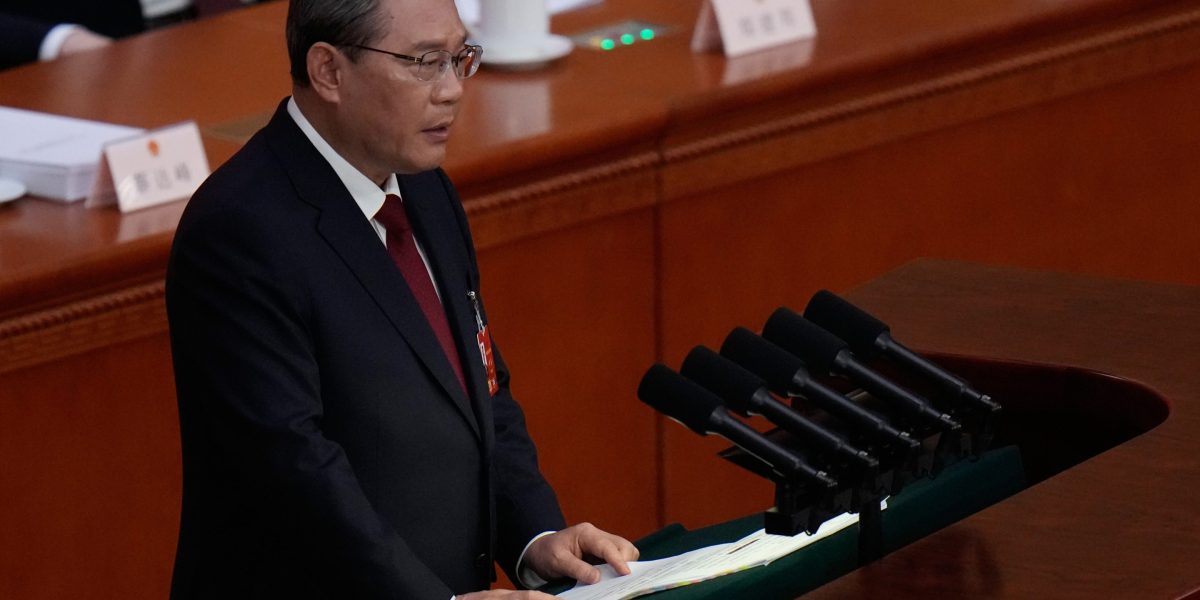
China has announced its lowest economic growth target in over three decades, reflecting ongoing challenges in its economy. The target of around 5% for 2023 raises concerns among analysts about the country's recovery trajectory in a post-pandemic world.
China's Economic Growth Target: A Historical Context
In a significant announcement during the annual National People's Congress (NPC), China has set its economic growth target for 2023 at approximately 5%, marking the lowest goal since 1991. This decision comes as the country grapples with a myriad of economic challenges, including a sluggish recovery from the COVID-19 pandemic, a real estate crisis, and increasing global economic uncertainties.
Factors Influencing the Growth Target
The Chinese government’s cautious approach to setting this growth target is influenced by several factors. The aftermath of the pandemic has left a lasting impact on consumer confidence and spending, while the real estate sector, which has been a significant driver of growth in previous years, continues to face substantial headwinds. Major property developers have struggled with debt crises, leading to a slowdown in construction and related industries.
Additionally, external pressures such as geopolitical tensions, particularly with the United States, and the ongoing effects of global inflation have further complicated the economic landscape. Analysts suggest that these factors have compelled the Chinese leadership to adopt a more conservative outlook for the economy.
Implications for Domestic and International Markets
The announcement of the 5% growth target has sent ripples through both domestic and international markets. Investors are increasingly wary of the implications of a slower growth trajectory, which could affect everything from trade relations to investment flows. The Chinese yuan has shown signs of weakness against major currencies, reflecting concerns about the country's economic stability.
Furthermore, the government’s focus on stability over aggressive growth could lead to more stringent regulations in key sectors, particularly technology and finance. This could impact foreign investment, as companies reassess their strategies in light of a potentially less favorable business environment.
Government Response and Future Outlook
In response to these challenges, Chinese Premier Li Qiang emphasized the need for pragmatic policies aimed at stimulating demand and stabilizing the economy. The government is expected to implement measures to boost consumer spending, support small and medium enterprises, and ensure the stability of the financial system.
Moreover, there is a growing consensus among economists that the government may need to adopt more aggressive fiscal policies, including increased infrastructure spending, to achieve its growth target. However, the effectiveness of such measures remains to be seen, especially in the context of rising debt levels and the need for sustainable economic practices.
Conclusion: A Pivotal Moment for China's Economy
As China embarks on this new economic chapter with its lowest growth target in over three decades, the implications are profound not just for the nation itself but for the global economy as well. The focus on stability and cautious growth reflects a broader shift in China's economic strategy, one that could redefine its role on the world stage. Stakeholders, from policymakers to investors, will be closely monitoring the developments in the coming months as the country navigates these turbulent waters.