China-Sanctioned Japanese Lawmaker Declares Taiwan 'Independent'
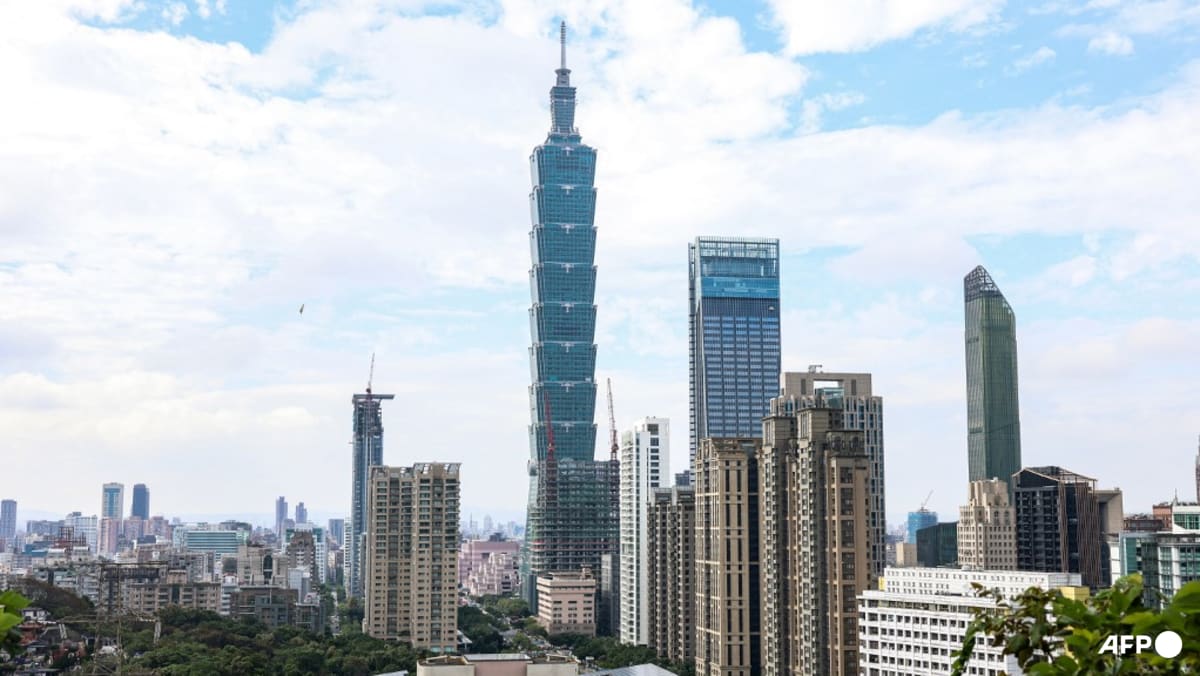
A Japanese lawmaker, sanctioned by China, has publicly recognized Taiwan as an independent entity. This statement has sparked significant reactions amid ongoing tensions between China and Taiwan.
Introduction
In a bold move that has ignited controversy in East Asia, a Japanese lawmaker, who has been sanctioned by China, has publicly declared Taiwan as an independent nation. This statement comes at a time of heightened tensions between China and Taiwan, as well as Japan's own complex diplomatic relationship with Beijing.
The Statement
The lawmaker, whose name has been withheld due to the sensitive nature of the topic, made the declaration during a recent press conference. He emphasized that Taiwan operates as a sovereign state, with its own government, economy, and democratic processes, separate from mainland China. His remarks were made in the context of increasing international support for Taiwan, particularly from Western nations, amid China's growing assertiveness in the region.
China's Response
China has reacted swiftly to the lawmaker's comments, reiterating its long-standing position that Taiwan is an inseparable part of its territory. The Chinese government condemned the remarks as a violation of the One China principle, which asserts that there is only one China, and Taiwan is part of it. In response, China has imposed sanctions on the lawmaker, a move that reflects its intolerance for any form of support for Taiwan's independence.
Historical Context
The relationship between Taiwan and China has been fraught with tension since the Chinese Civil War, which ended in 1949. Following the defeat of the Nationalist forces, the Kuomintang retreated to Taiwan, where they established a separate government. Since then, Taiwan has developed its own identity and democratic governance, but China has consistently viewed it as a breakaway province that must eventually be reunified with the mainland.
International Implications
The lawmaker's statement reflects a growing trend among some international figures and governments to recognize Taiwan's distinct status. This shift is particularly significant given the increasing military threats from China towards Taiwan, including military exercises and aggressive rhetoric. The international community, especially the United States and its allies, has been cautious in their approach, often supporting Taiwan's participation in international organizations while stopping short of formal recognition.
Japan's Position
Japan has historically maintained a delicate balance in its relations with China and Taiwan. While it recognizes the One China policy, Japan has also been supportive of Taiwan's democratic governance and has expressed concerns over China's military activities in the Taiwan Strait. The recent comments by the sanctioned lawmaker could signal a shift in Japan's political landscape, as more politicians may feel emboldened to speak out in favor of Taiwan's autonomy.
Public Reaction
The public reaction in Japan has been mixed. Supporters of Taiwan welcomed the lawmaker's remarks as a courageous stand against Chinese aggression, while critics warned that such statements could jeopardize Japan's economic ties with China, which is a major trading partner. The situation underscores the complexities of international diplomacy in the region, where economic interests often clash with political ideals.
Conclusion
As tensions continue to rise between China and Taiwan, the comments made by the China-sanctioned Japanese lawmaker add another layer of complexity to the already intricate geopolitical landscape of East Asia. The international community will be watching closely to see how this situation unfolds and whether it will lead to a broader recognition of Taiwan's status on the global stage.