China's Youth Jobless Rate Hits Record High Amid Economic Challenges
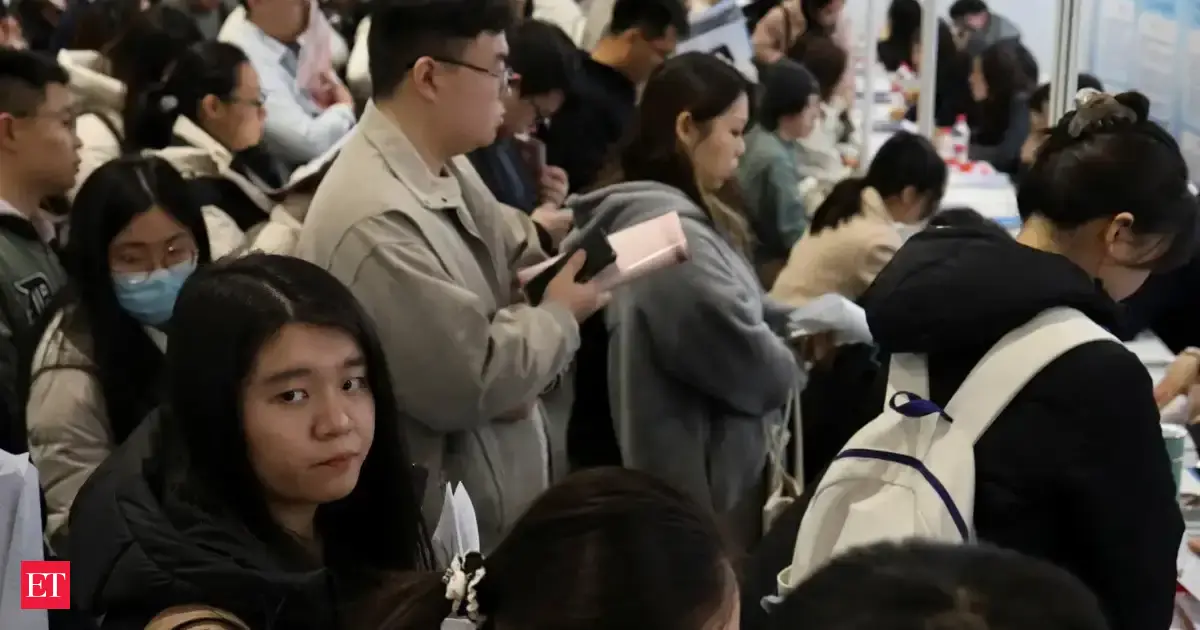
China's youth unemployment rate has surged to 17.9%, coinciding with a record influx of graduates entering the job market. This alarming trend highlights the challenges faced by young job seekers in a slowing economy.
Introduction
In a concerning development for the Chinese economy, the youth unemployment rate has reached a staggering 17.9%, marking a record high amid a significant influx of graduates and a broader economic slowdown. This situation poses serious questions about the future of the workforce in one of the world's largest economies.
Context of the Surge
The rise in unemployment among young people comes at a time when China is witnessing an unprecedented number of graduates entering the job market. According to recent reports, approximately 11.58 million students are expected to graduate from universities this year, a record number that has exacerbated the already competitive job landscape.
The economic backdrop is equally troubling. China's economy has been experiencing a slowdown, with growth figures falling short of expectations. Factors contributing to this downturn include ongoing trade tensions, a sluggish property market, and the lingering effects of the COVID-19 pandemic. As companies tighten their belts and reduce hiring, young graduates find themselves in a precarious position.
Impact on Graduates
The implications of this high unemployment rate are profound. Many young graduates are facing disillusionment as they struggle to find jobs that match their qualifications and aspirations. Reports indicate that some graduates are accepting positions that do not require a degree, while others are considering leaving their home country in search of better opportunities abroad.
Moreover, the psychological toll on these young individuals cannot be underestimated. The pressure to succeed, combined with the uncertainty of job prospects, has led to increased anxiety and mental health issues among the youth. Many are questioning the value of their education and the effectiveness of the current job market.
Government Response
In response to this alarming trend, the Chinese government has begun to implement measures aimed at alleviating the situation. Initiatives include encouraging entrepreneurship among young people, providing subsidies for companies that hire graduates, and promoting vocational training programs to better equip students with the skills needed in the job market.
However, critics argue that these measures may not be sufficient to address the underlying issues. The structural problems within the economy, such as the mismatch between graduates' skills and the demands of the labor market, need to be addressed to create sustainable job opportunities.
Future Outlook
The future of China's youth employment landscape remains uncertain. Analysts warn that without significant economic reforms and a shift in focus towards innovation and technology, the job market may continue to struggle in absorbing the growing number of graduates. The government’s ability to implement effective policies will be crucial in reversing this trend.
As the situation unfolds, the resilience and adaptability of the youth will be tested. Many young individuals are already seeking alternative paths, including online businesses and freelance work, as they navigate this challenging environment.
Conclusion
The rising youth unemployment rate in China is a critical issue that reflects broader economic challenges. As millions of graduates enter the job market, the need for effective solutions becomes increasingly urgent. The coming months will be pivotal in determining how the government and the economy respond to this pressing crisis.