China's Trade Dynamics Shift Amid Ongoing Iran Conflict
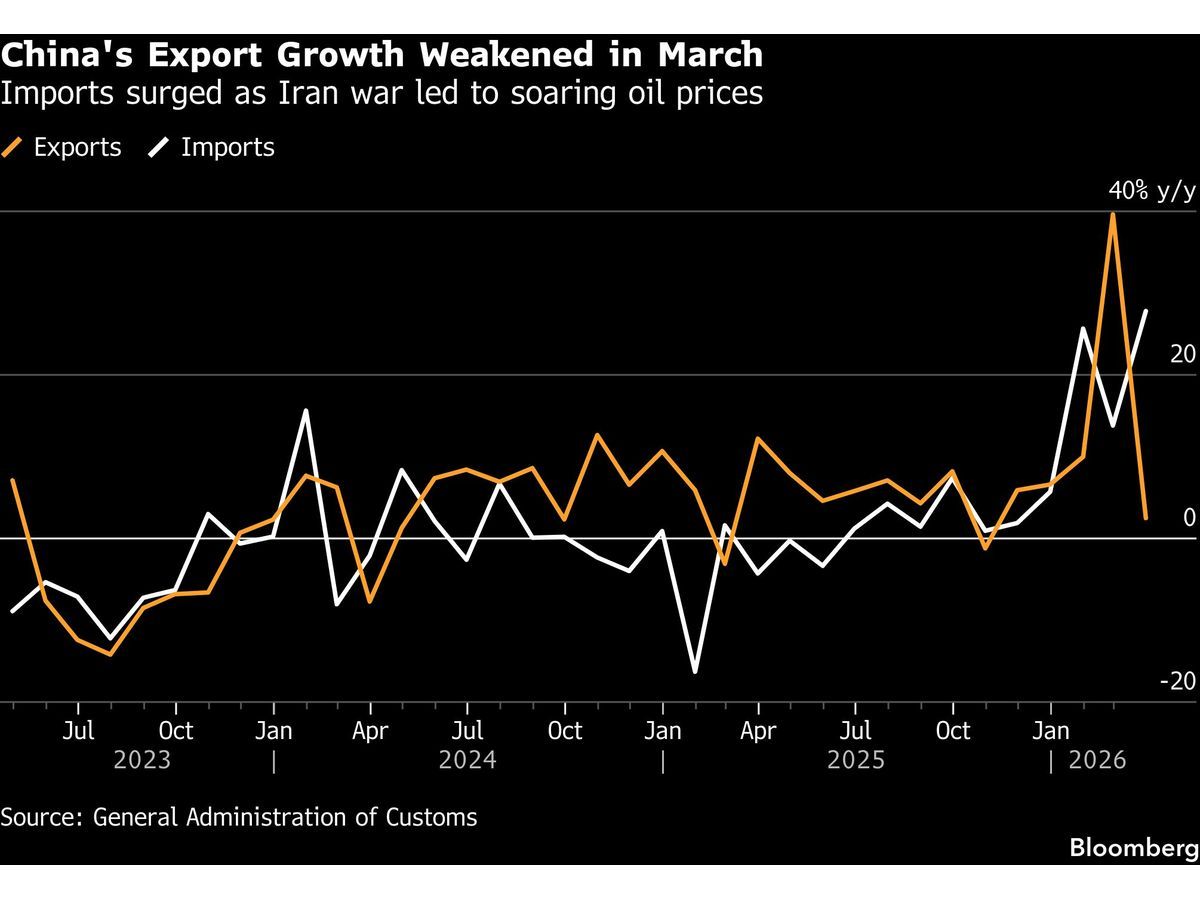
China's exports have faced significant challenges while imports have surged in the wake of the Iran war. This report delves into the implications of these changes for China's economy and global trade relations.
China's Trade Dynamics Shift Amid Ongoing Iran Conflict
In a striking turn of events, China’s trade landscape has experienced notable fluctuations in the first month following the outbreak of the Iran war. As tensions escalated in the Middle East, China's exports stumbled significantly, while imports soared, raising questions about the broader implications for its economy and international trade relations.
According to recent data, China's exports fell by 14.5% in the month of October compared to the previous year, marking one of the steepest declines in recent history. This downturn is attributed to a combination of factors, including weakened global demand, supply chain disruptions, and increased geopolitical tensions. Analysts suggest that the ongoing conflict in Iran has exacerbated these challenges, impacting trade routes and creating uncertainty in the global market.
On the other hand, China's imports saw a remarkable increase of 20.5% during the same period, driven primarily by a surge in energy and raw material purchases. The war in Iran has led to a spike in oil prices, prompting China to ramp up its imports to secure energy supplies. This shift highlights China's reliance on foreign resources and its strategic maneuvering in response to global market fluctuations.
The contrasting trends in exports and imports raise critical questions about the sustainability of China's economic growth. With exports representing a significant portion of China's GDP, the decline poses risks to economic stability. Experts warn that if the downward trend continues, it could lead to job losses in export-oriented industries and further strain China's manufacturing sector.
Moreover, the surge in imports could have long-term implications for China's trade balance. While increased imports may provide short-term relief in terms of energy security, they could also lead to a widening trade deficit, which may affect the country's currency value and overall economic health.
The impact of the Iran war on China's trade is not limited to immediate economic indicators. The conflict has also prompted a reevaluation of China's foreign policy and its role in global trade dynamics. As the world's second-largest economy, China's response to geopolitical events is closely monitored by international markets and governments alike.
In recent years, China has sought to diversify its trade partners and reduce its reliance on any single country. The current situation underscores the importance of this strategy, as disruptions in one region can have ripple effects across the globe. Analysts suggest that China may look to strengthen ties with other oil-producing nations to mitigate the impact of the Iran conflict on its energy supplies.
Furthermore, the war has highlighted the vulnerabilities in global supply chains, prompting many countries, including China, to reconsider their dependencies. As businesses grapple with the fallout from the conflict, there may be a shift towards more localized supply chains, which could reshape the landscape of international trade.
In conclusion, the first month of the Iran war has ushered in a new era of uncertainty for China's trade dynamics. With exports faltering and imports surging, the implications for China's economy are profound. As the situation evolves, stakeholders will be closely watching how China navigates these challenges and adapts its trade policies to safeguard its economic interests in an increasingly volatile global environment.