China's Third-Largest Chip Foundry Files for Hong Kong Listing Amid $5 Billion Fab Expansion
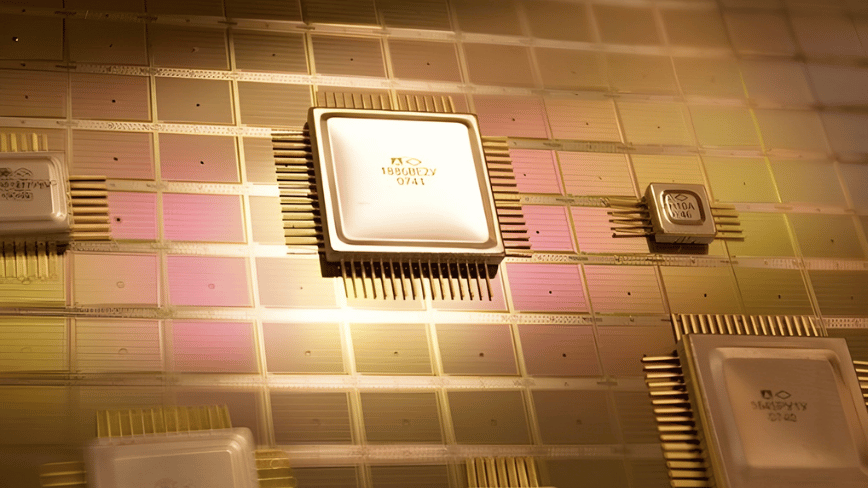
China's third-largest semiconductor foundry has officially filed for a listing on the Hong Kong Stock Exchange, signaling a significant step in its expansion plans. The move is backed by a $5 billion investment in a new fabrication facility aimed at boosting production capabilities.
Introduction
In a significant development for the semiconductor industry, China’s third-largest chip foundry has filed for a listing on the Hong Kong Stock Exchange. This strategic move is not just a financial maneuver but is also indicative of the broader ambitions of the Chinese tech sector, particularly in the face of increasing global competition and geopolitical tensions.
The Foundry and Its Ambitions
The foundry, which has not been named in the initial reports, is reportedly aiming to raise substantial capital through its Hong Kong listing. This comes at a time when the demand for semiconductors is surging worldwide, driven by advancements in technology such as artificial intelligence, 5G, and the Internet of Things (IoT). The company’s expansion is underpinned by a massive $5 billion investment in a new fabrication facility, or fab, designed to enhance its production capabilities significantly.
Investment in Technology
The $5 billion fab is expected to utilize cutting-edge technology to manufacture advanced chips that are crucial for various applications, from consumer electronics to automotive systems. This investment highlights the increasing importance of semiconductor manufacturing in China, as the nation seeks to bolster its self-sufficiency in technology amid ongoing trade tensions with the United States and other countries.
Market Context
The semiconductor industry has been one of the most dynamic sectors in recent years, with companies racing to innovate and expand their production capacities. The COVID-19 pandemic exacerbated existing supply chain issues, leading to a global semiconductor shortage that has impacted numerous industries. In this context, the Chinese foundry's listing is not only a response to market demands but also a strategic move to position itself as a key player in the global semiconductor landscape.
Geopolitical Implications
The timing of this listing is particularly noteworthy given the current geopolitical climate. The U.S. has imposed various restrictions on Chinese tech companies, particularly in the semiconductor space, citing national security concerns. These restrictions have prompted Chinese firms to accelerate their efforts to develop domestic capabilities, reducing reliance on foreign technology and suppliers.
Investor Sentiment
Investor sentiment around the semiconductor sector remains cautiously optimistic. Analysts believe that the demand for chips will continue to grow, driven by technological advancements and increasing digitalization across various sectors. However, potential investors will also be closely monitoring the regulatory environment and the ongoing trade tensions between China and the U.S., which could impact the foundry's operations and profitability.
Conclusion
The filing for a Hong Kong listing by China’s third-largest chip foundry marks a pivotal moment in the country’s semiconductor journey. With a $5 billion investment in a new fab, the company is poised to enhance its production capabilities and strengthen its position in the global market. As the semiconductor landscape continues to evolve, all eyes will be on this listing and its implications for the future of technology in China and beyond.