China's Strategic Asset Acquisition: A Renewed Focus on Global Investments
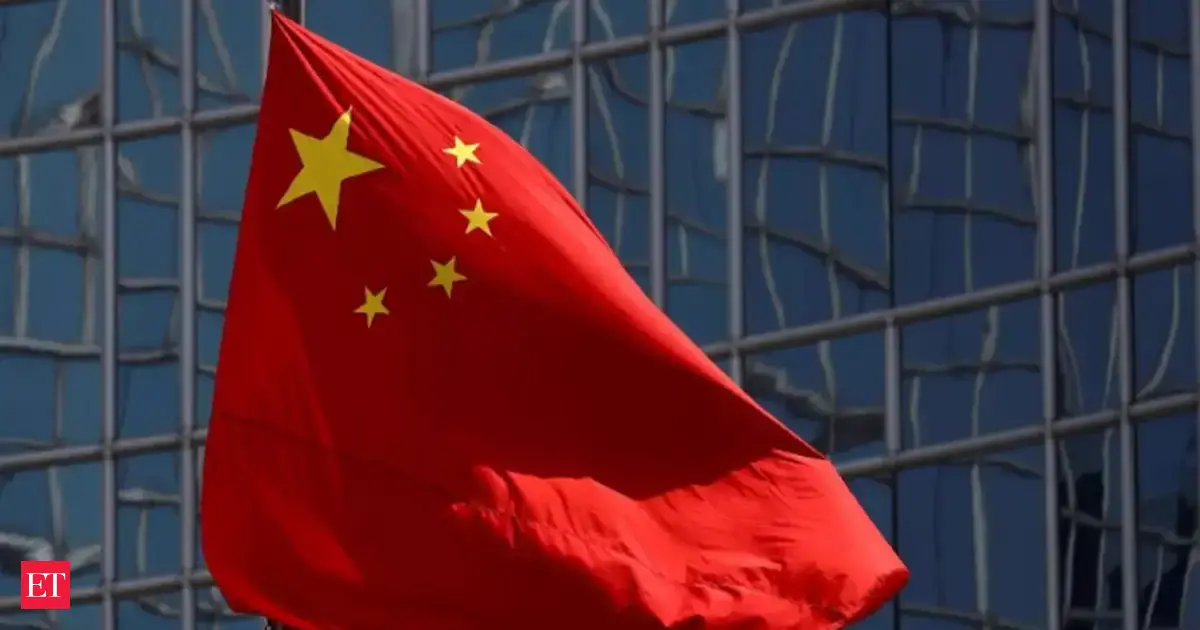
China is ramping up its overseas asset acquisitions, with a particular focus on sectors like metals and sports. This trend signals a significant shift in China's investment strategy as it seeks to secure resources and expand its global influence.
China's Renewed Push for Overseas Assets
In a notable shift in its investment strategy, China is once again aggressively pursuing overseas assets, signaling a robust return to the international market. Recent reports indicate that the Chinese government and private enterprises are targeting various sectors, including metals and sports, as they seek to bolster their economic standing and secure critical resources.
Metals Sector at the Forefront
One of the most significant areas of focus for Chinese investors is the metals sector. With the global demand for metals on the rise, particularly in the wake of the green energy transition, China is keen to secure its supply chains. The country has been actively acquiring stakes in foreign mining companies and engaging in joint ventures to ensure a steady flow of essential materials like lithium, copper, and rare earth elements. These metals are crucial for manufacturing batteries, electric vehicles, and various high-tech products, making them strategic assets for China's future economic growth.
Sports Investments: A New Frontier
In addition to the metals sector, China is also making significant inroads into the sports industry. The country has shown a keen interest in acquiring stakes in international sports teams and franchises, reflecting its ambition to enhance its global brand and cultural influence. This trend is not only about financial investment but also about fostering a deeper connection with global audiences through sports. By investing in well-known sports entities, China aims to leverage the popularity of these franchises to promote its culture and values on the world stage.
Government Support and Policy Framework
The resurgence of Chinese overseas investments can be attributed to supportive government policies aimed at encouraging international expansion. The Chinese government has been promoting the 'Belt and Road Initiative' (BRI), which seeks to enhance global trade and investment ties. Through this initiative, China is not only looking to secure vital resources but also to expand its geopolitical influence. The BRI has facilitated numerous investments in infrastructure and energy projects across Asia, Africa, and Europe, laying the groundwork for further asset acquisitions.
Challenges and Considerations
Despite the aggressive push for overseas acquisitions, Chinese investors face several challenges. Increasing scrutiny from foreign governments, particularly in the United States and Europe, has led to heightened regulatory hurdles. Concerns over national security and economic sovereignty have prompted many countries to impose stricter regulations on foreign investments, particularly in sensitive sectors. As a result, Chinese companies must navigate a complex landscape of international laws and regulations as they pursue their acquisition strategies.
Future Outlook: A Balancing Act
As China continues to expand its global footprint through overseas asset acquisitions, the future of these investments remains uncertain. While the potential for growth and resource security is significant, the geopolitical landscape is constantly evolving. Chinese investors will need to strike a delicate balance between pursuing their interests and addressing the concerns of host countries. The ability to adapt to changing regulations and public sentiment will be crucial for the success of China's international investment strategy.
Conclusion
China's renewed focus on overseas asset acquisitions, particularly in the metals and sports sectors, marks a significant chapter in its economic strategy. As the country seeks to secure vital resources and expand its global influence, the implications of these investments will resonate across international markets. The coming years will be pivotal in determining how effectively China can navigate the complexities of global investment while fostering positive relationships with other nations.