China's Stock Market Decline: A Reflection of Economic Concerns
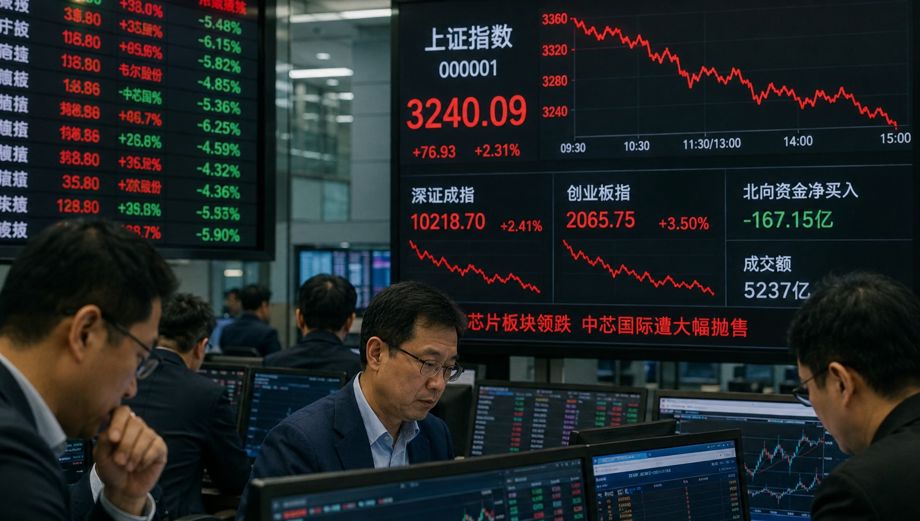
China's recent stock market drop raises alarms about economic stability amidst AI optimism and tightening monetary policies. Investors are grappling with uncertainties as the government navigates a complex economic landscape.
Introduction
In recent weeks, China's stock market has experienced a significant downturn, prompting concerns among investors and analysts alike. The decline is attributed to a combination of factors, including the fading optimism surrounding artificial intelligence (AI) advancements and the government's tightening monetary policies. As the world's second-largest economy grapples with these challenges, the implications for both domestic and international markets are profound.
AI Optimism Fades
For much of 2023, the Chinese market was buoyed by a wave of optimism surrounding AI technologies. Companies across sectors rushed to integrate AI solutions, leading to soaring stock prices and heightened investor enthusiasm. However, as the initial excitement wanes, many investors are reassessing the sustainability of these gains. Reports indicate that the anticipated economic benefits from AI have not materialized as quickly as hoped, leading to a reevaluation of stock valuations.
Monetary Tightening Concerns
Compounding the situation is the Chinese government's recent shift towards monetary tightening. In an effort to combat inflation and stabilize the economy, the People's Bank of China (PBOC) has implemented measures aimed at curbing excessive lending and spending. These policies, while necessary for long-term economic health, have raised concerns about their immediate impact on growth. Investors are wary of the potential slowdown in economic activity as credit becomes less accessible.
Market Reactions
The response from the market has been swift and severe. Major indices, including the Shanghai Composite and Shenzhen Component, have seen significant drops, with many stocks experiencing double-digit percentage declines. Analysts warn that this trend could continue if the government does not provide clear guidance on its economic policies. The uncertainty surrounding both AI investments and monetary policy has led to a cautious approach among investors, who are now more likely to hold off on new investments until the economic outlook becomes clearer.
Global Implications
The repercussions of China's market decline extend beyond its borders. As a key player in the global economy, China's economic health is closely watched by international investors and governments. A slowdown in China could have ripple effects on global supply chains, trade dynamics, and commodity prices. Countries that rely heavily on exports to China may find themselves facing economic challenges if the trend continues.
Government Response
In light of the current market conditions, analysts are urging the Chinese government to take proactive measures to restore investor confidence. This could include clearer communication regarding monetary policy and potential stimulus measures to support economic growth. Additionally, fostering an environment conducive to innovation and investment in emerging technologies like AI will be crucial for sustaining long-term economic momentum.
Conclusion
China's recent stock market decline serves as a stark reminder of the complexities facing its economy. While the promise of AI and technological advancement remains, the challenges posed by monetary tightening and shifting investor sentiment cannot be overlooked. As the government navigates this intricate landscape, the actions taken in the coming months will be critical in shaping the future of China's economy and its role in the global market.