China's Semiconductor Ambitions: A Decade of Investment Yet to Yield Global Leadership
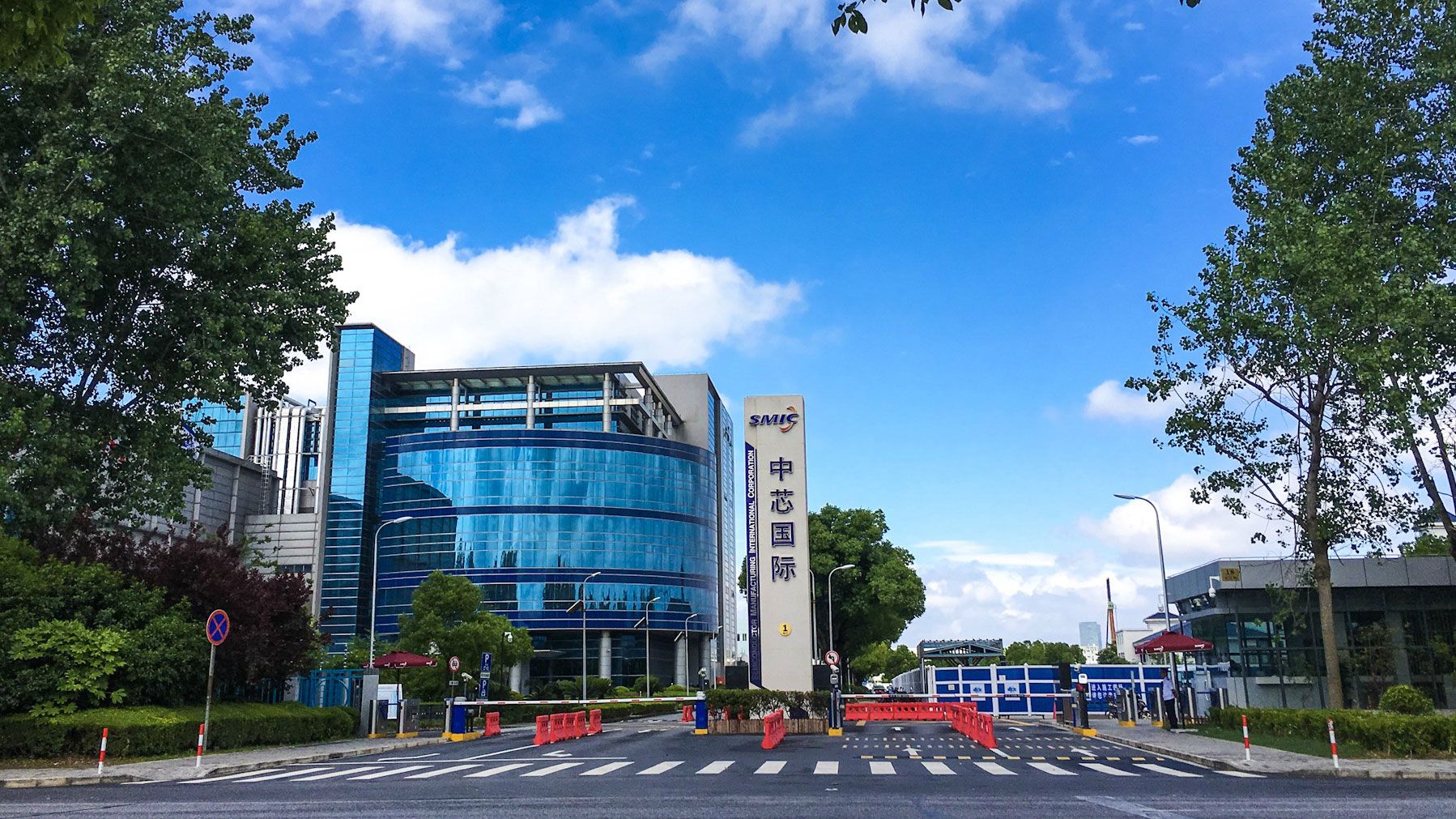
Despite significant investments and advancements in its semiconductor industry, China remains a decade behind global leaders. This report explores the challenges and progress of China's 'Made in China 2025' initiative in the semiconductor sector.
The State of China's Semiconductor Industry
In recent years, China has poured hundreds of billions of dollars into its semiconductor industry, aiming to reduce its reliance on foreign technology and achieve self-sufficiency. However, despite these substantial investments and the ambitious goals set forth in the 'Made in China 2025' initiative, the country still finds itself a decade behind global leaders in semiconductor technology.
Progress and Challenges
China's journey in the semiconductor sector has been marked by significant progress in certain areas, including the development of domestic chip manufacturing capabilities and research initiatives. The government has prioritized this sector as a strategic focus, recognizing that semiconductors are foundational to modern technology, from smartphones to artificial intelligence.
However, the challenges are formidable. The country still relies heavily on foreign technology for advanced chip design and manufacturing processes. Leading companies like TSMC in Taiwan and Samsung in South Korea continue to dominate the market, producing cutting-edge chips that China struggles to replicate. This gap is particularly evident in the production of high-performance chips used in AI and data centers, where China's technology lags significantly.
Investment Without Immediate Returns
China's government has made it clear that it sees the semiconductor industry as critical to national security and economic independence. The 'Made in China 2025' initiative outlined a roadmap for achieving self-sufficiency, with a focus on increasing domestic production and reducing reliance on imports. However, the reality is that building a robust semiconductor industry is a long-term endeavor, and immediate returns on investment are not guaranteed.
Many analysts argue that while China has made strides in developing its semiconductor capabilities, the country is still at least a decade away from achieving the level of sophistication and innovation seen in the leading semiconductor nations. This delay is attributed to a combination of factors, including a lack of experienced talent, insufficient research and development infrastructure, and the complexities of semiconductor manufacturing.
The Impact of Global Geopolitics
The geopolitical landscape has further complicated China's semiconductor ambitions. Recent trade tensions and export restrictions imposed by the United States have created additional hurdles for Chinese companies seeking to acquire advanced technology. These restrictions have not only limited access to critical manufacturing equipment but have also hindered collaboration with foreign firms, which is essential for technological advancement.
In response to these challenges, China has intensified its efforts to develop indigenous technologies and foster domestic companies. Initiatives aimed at nurturing local talent and encouraging innovation have been launched, but the path to self-sufficiency remains fraught with obstacles.
Looking Ahead
As China continues its push to become a global leader in semiconductor technology, the journey will likely be a long and arduous one. While the government remains committed to its goals, the industry must navigate a complex landscape of technological, economic, and geopolitical challenges.
In conclusion, China's semiconductor ambitions are a testament to its determination to achieve technological independence. However, the reality is that the nation is still grappling with significant hurdles that may delay its aspirations for years to come. The global semiconductor landscape will continue to evolve, and China's ability to adapt and innovate will be crucial in determining its future position in this critical industry.